



Pull to refresh
Logo
AWS cannot restore data lost in Iranian-struck Middle East data centers

AWS cannot restore data lost in Iranian-struck Middle East data centers

Built World

Bahrain region and one UAE availability zone permanently lost after six-month recovery effort

Yesterday: AWS confirms permanent data loss in Gulf

Overview

Updated 1 hour ago

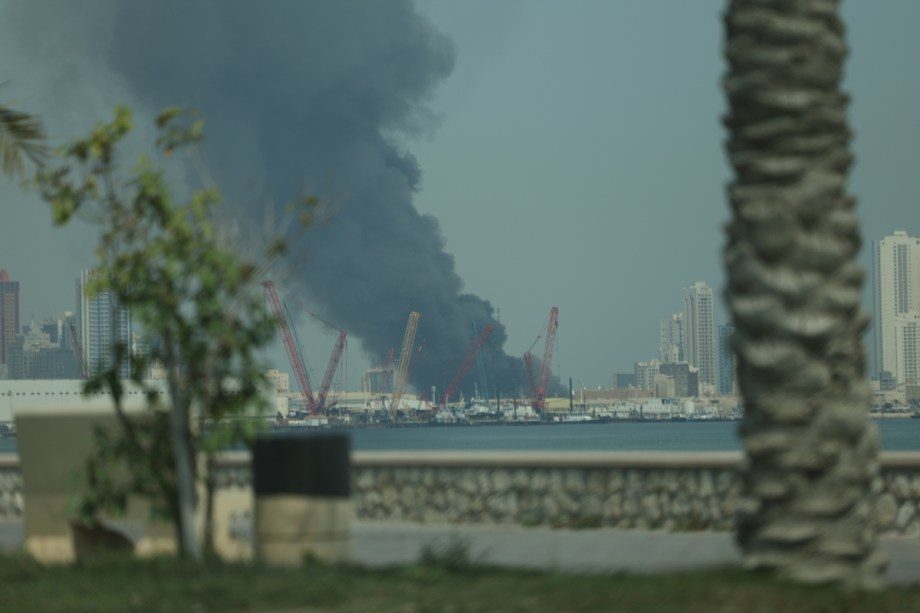
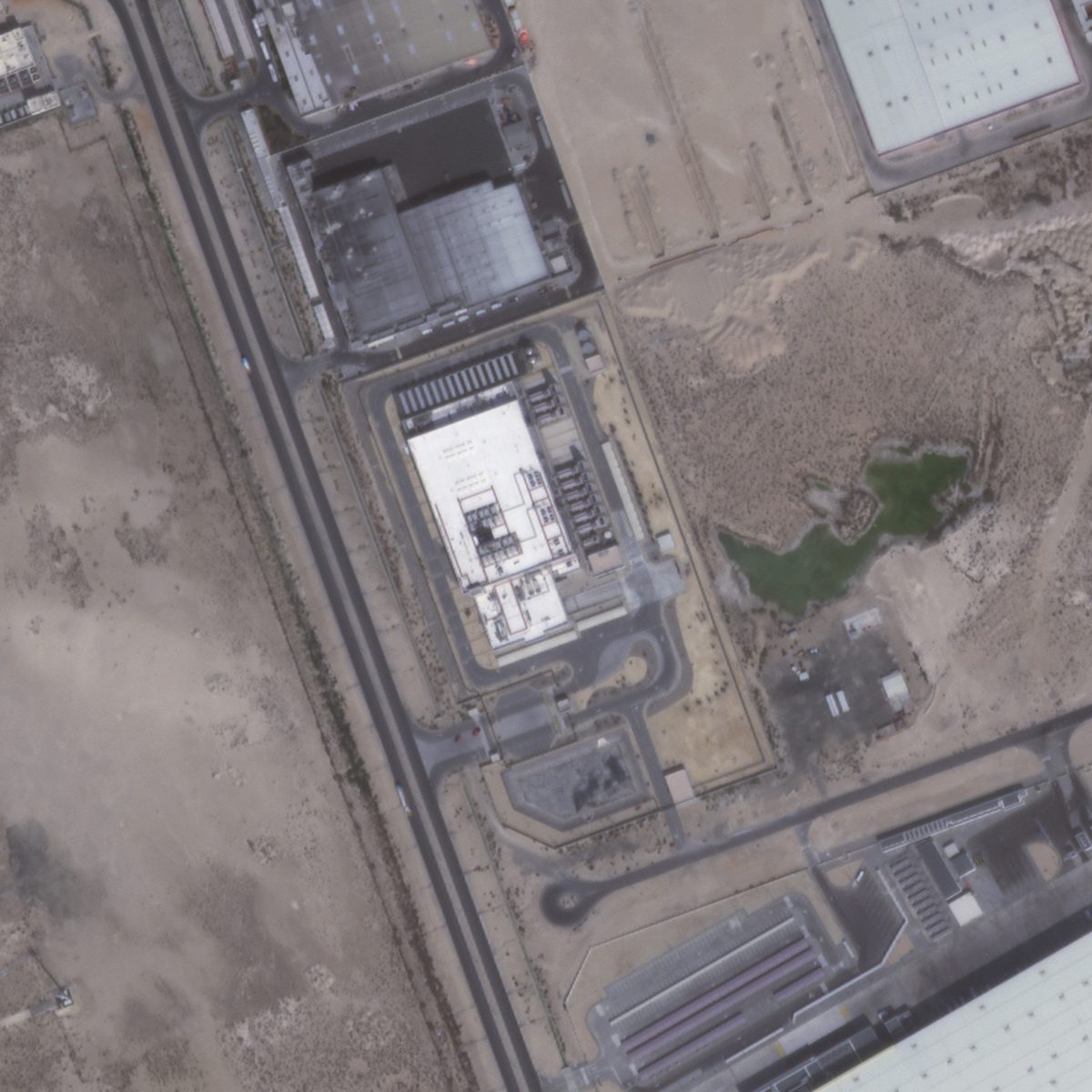
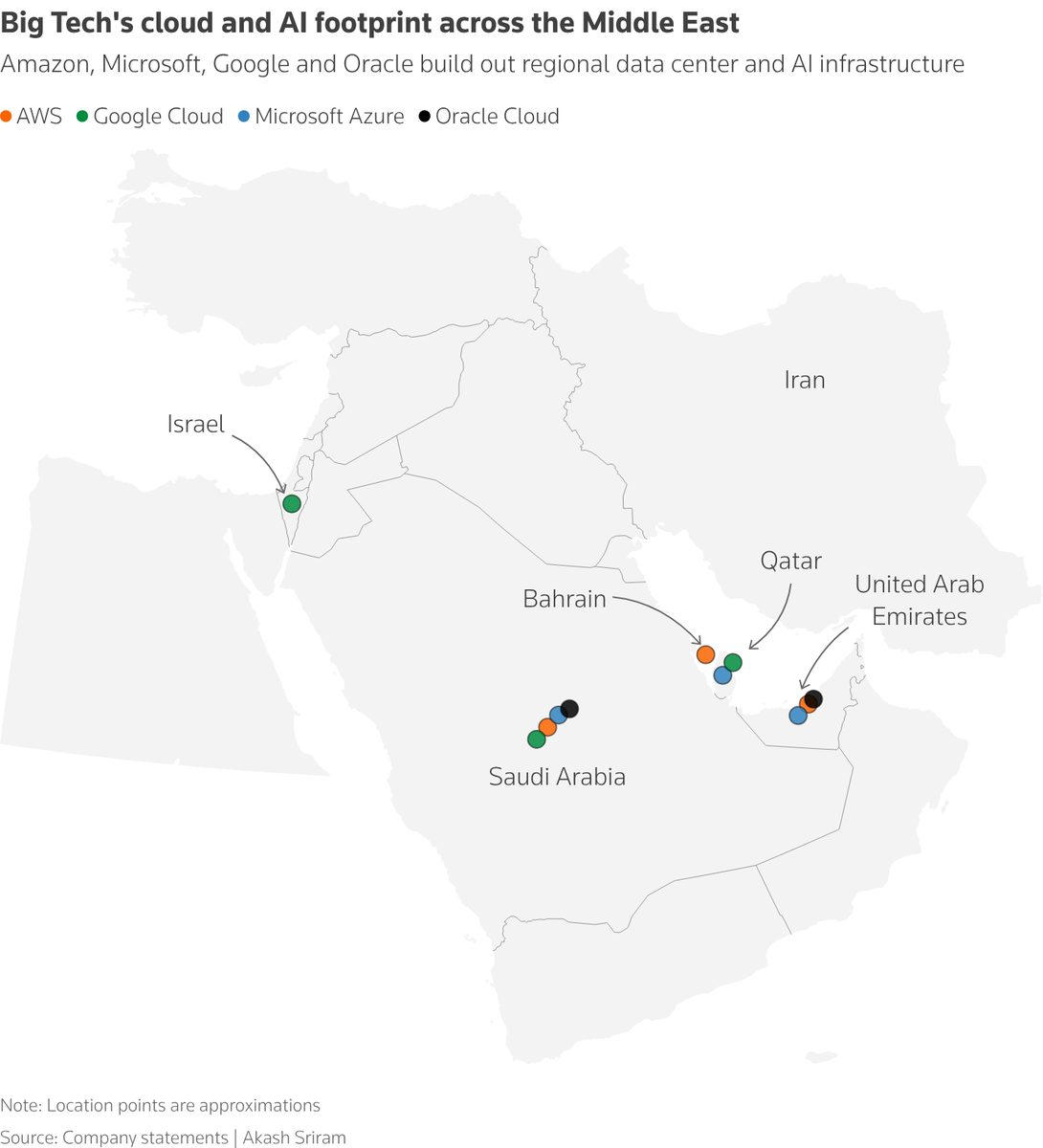
Iranian drone strikes damaged Amazon's Gulf data centers in March. Six months later, AWS confirmed it cannot restore some customer data housed there. Resources stored only in Bahrain and one of three UAE availability zones are gone for good.

The Bahrain damage spanned multiple availability zones, exceeding what AWS regional services were designed to withstand. Most customers moved workloads to European regions on AWS's advice before the worst strikes hit. Those who did not migrate lost data permanently.

Why it matters

Regional conflict can now permanently erase cloud data, so single-region disaster plans are no longer sufficient for any business.

Questions about this story

Free account needed to ask — your question is kept and asked for you right after sign-up. Answers are public.

No questions yet — be the first to ask.

Key Indicators

1
AWS regions permanently lost
Bahrain region exceeded the damage thresholds AWS infrastructure was designed to withstand
1
UAE availability zones permanently lost
Zone mec1-az2 cannot be restored; two other UAE zones remain under recovery
3
Gulf availability zones affected
Damage spanned multiple zones across Bahrain and the UAE
6
Months between strikes and permanent-loss verdict
Strikes hit in early March; AWS confirmed irrecoverable data on September 15

Voices

Curated perspectives — historical figures and your fellow readers.

Ever wondered what historical figures would say about today's headlines?

Sign up to generate historical perspectives on this story.

People Involved

Organizations Involved

Timeline

February 2026 September 2026

6 events Latest: Yesterday
Tap a bar to jump to that date
  1. AWS confirms permanent data loss in Gulf

    Latest Announcement

    AWS determined it cannot restore resources and data hosted exclusively in Bahrain and UAE zone mec1-az2.

  2. AWS says restoration will take months

    Statement

    AWS urged customers to migrate all accessible resources and rebuild from backups; stopped billing both regions.

  3. Second Bahrain zone disrupted; region unavailable

    Infrastructure

    Further attacks hit another availability zone, rendering the entire Bahrain region unavailable.

  4. AWS urges Bahrain customers to migrate

    Statement

    After first Bahrain availability zone damaged, AWS advised customers to move workloads to other regions.

  5. Iran retaliates; strikes hit AWS Gulf facilities

    Attack

    Iran fired missiles and drones; two AWS UAE facilities hit directly, nearby strike damaged Bahrain site.

  6. US and Israel launch offensive strikes against Iran

    Conflict

    US and Israeli forces began their offensive against Iran on February 28.

Scenarios

1

AWS restores remaining UAE zones as Gulf builds hardened data centers

Possible Resolves by Q2 2027

Discussed by: Reuters, The National

AWS continues recovery work on the two other affected UAE zones, mec1-az1 and mec1-az3. The UAE proceeds with plans to disperse and harden AI data center facilities, using underground and blast-resistant construction. AWS replaces the damaged UAE infrastructure and confirms service restoration for the surviving zones.

2

Bahrain region permanently decommissioned

Likely Resolves by Q1 2027

Discussed by: The Register, Tom's Hardware

AWS formally writes off the Bahrain region, which suffered damage across multiple availability zones. Customers who migrated to European regions stay there permanently. AWS issues its promised early 2027 update confirming the region will not return to service in its current form.

3

Customers sue AWS over permanently lost data

Possible Resolves by Mar 1, 2028

Discussed by: The Register, legal observers covering the outage

Companies that kept data exclusively in the affected zones file claims against AWS, arguing the company failed to protect stored data. AWS counters that it advised migration after the first strikes and that regional conflict fell outside service-level guarantees. The case tests whether cloud providers bear liability for war damage.

Historical Context

3 moments from history that rhyme with this story — and how they unfolded.

September 2001

September 11 attacks (2001)

Companies in the World Trade Center lost servers, records, and operations when the towers fell. Firms without off-site backups lost data permanently; others recovered from tape archives stored elsewhere.

Then

The disaster pushed businesses to adopt off-site backup and geographic redundancy as standard practice.

Now

Disaster recovery and business continuity became formal disciplines with dedicated vendors and standards.

Why this matters now

The 9/11 lesson was about replicating data off-site. AWS's Gulf loss shows the limits of that approach: backups kept in the same war zone can be destroyed alongside primary systems, forcing true cross-region strategies.

March 2021

OVHcloud Strasbourg fire (2021)

A fire broke out in OVHcloud's SBG2 data center in Strasbourg, France, and destroyed the building. Customers without off-site backups lost data permanently. The fire also forced the adjacent SBG1 center offline.

Then

OVHcloud rebuilt and offered tiered compensation that covered only a fraction of customer losses.

Now

The fire became a benchmark for physical data center risk, showing that even industrial-grade facilities can fail catastrophically.

Why this matters now

Like Strasbourg, the Gulf loss proves physical events can permanently destroy cloud data. Unlike a fire, a war creates escalating regional risk that redundancy within one geographic area cannot mitigate.

2022-2023

Russian strikes on Ukrainian infrastructure (2022-2023)

Russian missiles targeted Ukrainian power grids and data infrastructure as part of the invasion. Cloud providers moved workloads to Polish and other European regions, and some Ukrainian data became inaccessible for extended periods.

Then

European data centers absorbed displaced workloads. Ukrainian businesses adopted multi-region backup strategies.

Now

The war demonstrated that active conflict zones cannot host reliable cloud infrastructure, reshaping where providers build capacity.

Why this matters now

The Gulf strikes repeat the Ukraine pattern of wartime migration to safer regions. AWS's Gulf loss extends it by confirming complete data destruction, not just temporary outage, inside a conflict zone.

Sources

(7)