1
Major desalination plant destroyed, triggering Gulf water emergency
Possible
Discussed by: Middle East Eye, regional water security analysts, and Gulf-based think tanks tracking infrastructure vulnerability
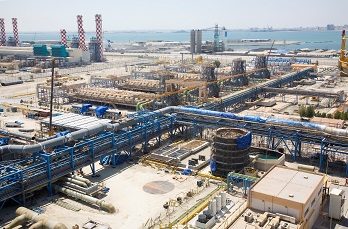
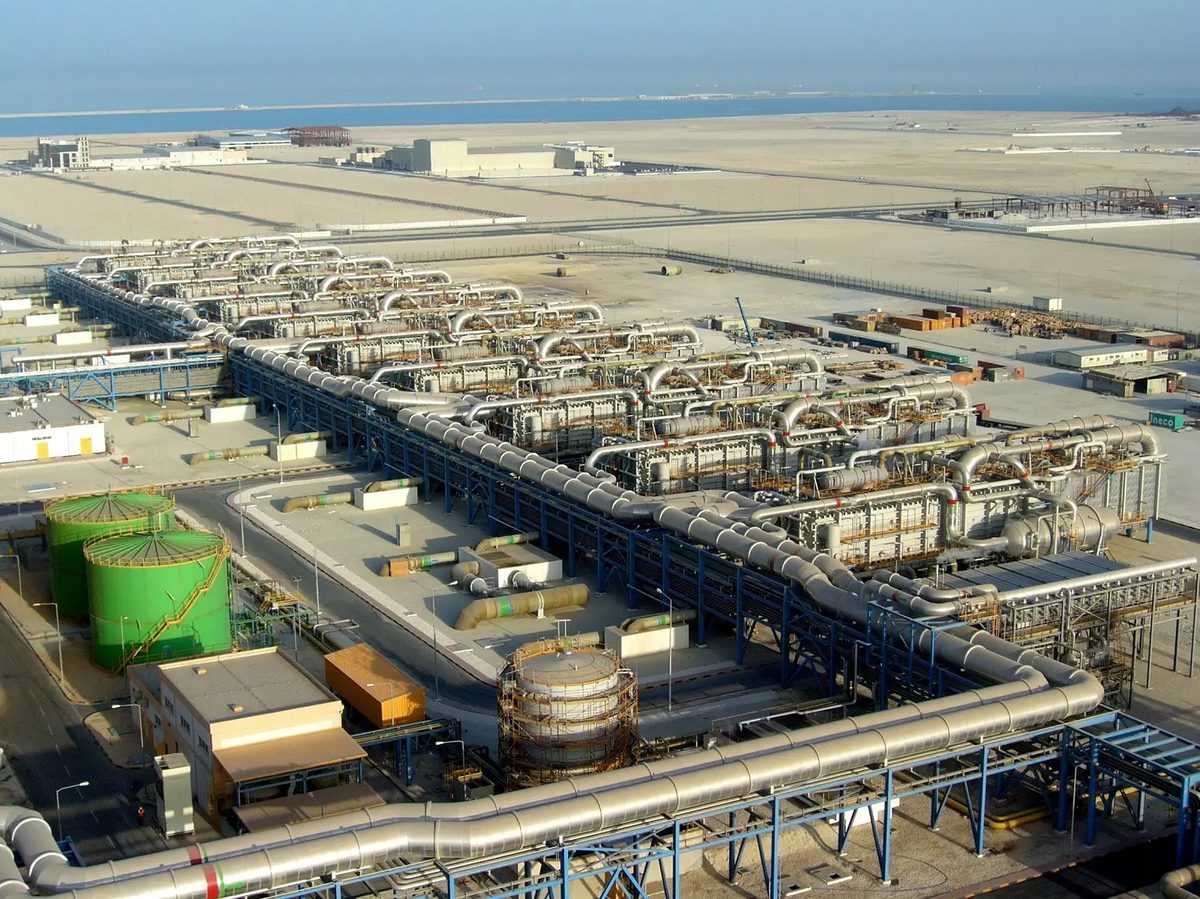
A strike—whether deliberate or through guidance error—hits a high-capacity facility like Bahrain's Al Hidd plant, which supplies 75 percent of national demand. Storage reserves deplete within days. Hospitals, sanitation, and civilian water supply collapse in a country of 1.5 million. International humanitarian organizations declare a water emergency, and Gulf states that have so far avoided direct military involvement face domestic pressure to enter the war. This scenario becomes more likely as the conflict extends and both sides' target selection broadens.
2
Both sides establish informal red lines excluding water systems
Possible
Discussed by: European Union diplomatic channels, United Nations humanitarian affairs office, and International Committee of the Red Cross
International pressure—particularly from Gulf Cooperation Council members and European mediators—compels both sides to tacitly exclude water infrastructure from targeting. Pezeshkian's March 7 apology for Gulf strikes suggests Tehran recognizes the political cost of hitting civilian systems in countries it is not officially at war with. The US, facing criticism over the Qeshm Island strike, may also recalibrate. This does not require a formal agreement—just mutual restraint enforced by reputational cost.
3
Gulf states enter the war after sustained Iranian infrastructure attacks
Unlikely
Discussed by: Al Jazeera analysis desk, the Atlantic Council, and Gulf security commentators
Continued Iranian strikes on Gulf civilian infrastructure—oil refineries, ports, and now water plants—exhaust the patience of states like Bahrain, Kuwait, and the United Arab Emirates. Despite Pezeshkian's apology, operational attacks continue, and Gulf governments conclude that passive defense and US-provided air defense are insufficient. One or more Gulf states formally authorize offensive operations against Iranian military assets, widening the war from a US-Iran conflict into a broader regional war.
4
Ceasefire reached before water infrastructure suffers irreversible damage
Unlikely
Discussed by: China, Oman, and Gulf Cooperation Council mediators referenced by President Pezeshkian
Mediation efforts that Pezeshkian acknowledged on March 7 gain traction, producing a ceasefire before the tit-for-tat pattern escalates to catastrophic infrastructure damage. This would require a significant shift from both sides: Trump has demanded unconditional surrender, and Araghchi has said Iran sees no reason to negotiate. The scenario depends on whether military realities on the ground force a recalculation faster than political rhetoric allows.
5
UAE and Saudi Arabia launch coordinated offensive strikes on Iranian oil and power infrastructure
Possible
Discussed by: Gulf security analysts, Atlantic Council, regional military commentators
The April 7 IRGC declaration that restraint is 'over' and the direct strike on UAE territory exhaust diplomatic patience in the wealthiest Gulf states. UAE and Saudi Arabia, both possessing advanced air forces and cruise missile capabilities, authorize offensive operations against Iranian oil export terminals (Kharg Island, Sirri Island), power plants, and desalination facilities. This transforms the conflict from US-Iran with Gulf state defense into a broader regional war with Gulf offensive participation, risking rapid escalation to Iranian strikes on Saudi Aramco facilities and potential global oil price shock exceeding $200 per barrel.
6
Humanitarian water emergency declared after strike on major desalination hub
Likely
Discussed by: UN humanitarian affairs office, International Committee of the Red Cross, World Health Organization
A precision strike—deliberate or through targeting error—destroys or severely damages a high-capacity desalination plant serving millions. Bahrain's Al Hidd plant (75 percent of national supply) or UAE's Jebel Ali facility become the target. Water reserves deplete within 72 hours. Hospitals lose desalination-dependent dialysis capacity. Sanitation systems fail. The UN declares a Level 4 humanitarian emergency, triggering international intervention demands and potential military intervention by non-aligned states to protect critical infrastructure.