
Pull to refresh
Logo
Baltimore council committee hears housing conversion and parking lot zoning requests

Baltimore council committee hears housing conversion and parking lot zoning requests

Rule Changes Baltimore, MD local

Planning Commission backs both requests; the Law Department flags a possible conflict with the Coldstream Homestead Montebello renewal plan.

Overview

Updated 1 hour ago

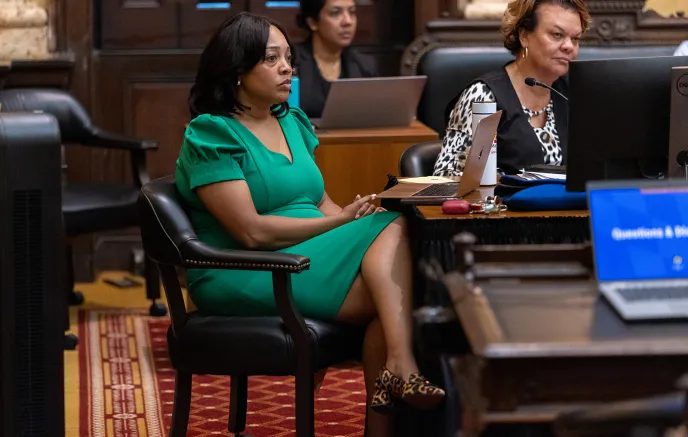
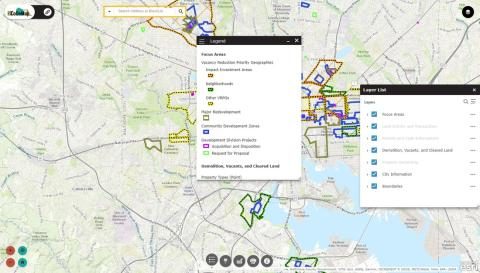
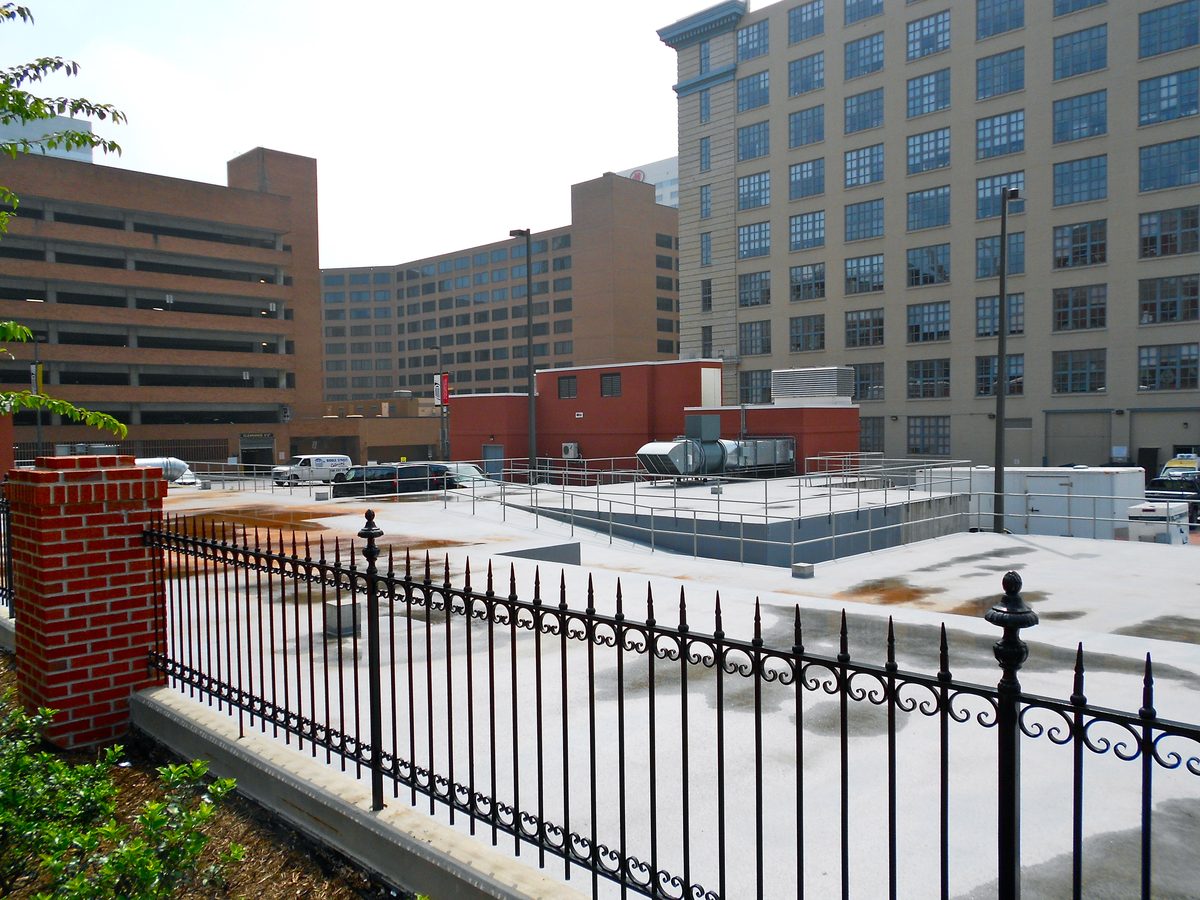
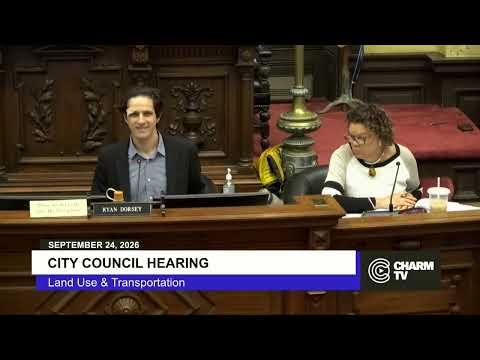
Two Baltimore property owners are asking the city for permission to use their land in ways the zoning code does not allow by right: a housing conversion at 1610 East Chase Street and a parking lot at 1732-1736 Gorsuch Avenue. On November 5, 2026, the City Council's Land Use and Transportation Committee heard public testimony on both requests.

Baltimore can grant a conditional use two ways: through the Board of Municipal and Zoning Appeals, or through the City Council by ordinance after a public hearing. This hearing is the Council route. The Planning Commission recommended approval of both requests, one with an amendment removing a variance and one with conditions. The Law Department told the committee the parking lot may conflict with the Coldstream Homestead Montebello Urban Renewal Plan's limit on parking lot size.

Why it matters

These requests show how one committee vote decides whether a building becomes housing or a lot becomes parking.

Questions about this story

Free account needed to ask — your question is kept and asked for you right after sign-up. Answers are public.

No questions yet — be the first to ask.

Key Indicators

2
Conditional use requests heard
A housing conversion on East Chase Street and a parking lot on Gorsuch Avenue.
2
Requests the Planning Commission recommended approving
One carried an amendment removing a variance; the other carried conditions.
1
Possible conflict with an urban renewal plan
The Law Department said the parking lot may exceed the Coldstream Homestead Montebello plan's size limit.

Voices

Curated perspectives — historical figures and your fellow readers.

Sign up to generate historical perspectives on this story.

Organizations Involved

Timeline

1 event Latest: November 5th, 2026 · 2 weeks ago
  1. Council committee takes testimony on two conditional use requests

    Latest Hearing

    The Land Use and Transportation Committee heard residents and organizations on a housing conversion at 1610 East Chase Street and a parking lot at 1732-1736 Gorsuch Avenue. The Law Department said the parking lot may conflict with the Coldstream Homestead Montebello Urban Renewal Plan's size limit.

Scenarios

1

Full council approves both conditional uses

Possible Resolves by Q2 2027

Discussed by: The Planning Commission's approval recommendations, which are now before the committee

The committee reports both requests favorably and the full Council passes ordinances granting them. The parking lot would carry conditions, and the Chase Street conversion would proceed without the variance the commission stripped out. Approval would still leave the applicants to obtain building, use and occupancy, and other permits.

2

Parking lot request stalls over renewal plan conflict

Possible Resolves by Q2 2027

Discussed by: The Law Department's testimony at the November 5 hearing

The Coldstream Homestead Montebello Urban Renewal Plan's limit on parking lot size blocks the Gorsuch Avenue proposal as filed. The applicant would need to shrink the lot, seek an amendment to the renewal plan, or withdraw. The Chase Street conversion would be unaffected.

3

Committee splits: conversion advances, parking lot held

Likely Resolves by Q2 2027

Discussed by: The differing records on the two requests: an amended approval for one, a plan conflict for the other

The Chase Street housing conversion moves to the full Council with the commission's amendment, while the parking lot stays in committee until the renewal plan question is resolved. This is the outcome the hearing record most directly supports, because one request has no flagged legal obstacle and the other does.

Historical Context

2 moments from history that rhyme with this story — and how they unfolded.

November 1926

Euclid v. Ambler Realty (1926)

The U.S. Supreme Court upheld a Cleveland suburb's zoning ordinance against a property owner's challenge. The Court held that separating incompatible uses was a legitimate exercise of the police power and did not take property without compensation.

Then

Cities across the country adopted zoning codes within a decade.

Now

The decision is the legal foundation for use districts and conditional use lists in codes like Baltimore's.

Why this matters now

The two requests exist because Baltimore's code divides land by permitted use, which makes anything else a discretionary approval.

January 1975

Mount Laurel (1975)

The New Jersey Supreme Court ruled that a suburb's zoning ordinance excluded low- and moderate-income residents and violated the state constitution. A 1983 follow-up decision added enforcement tools, and the state created a fair housing framework in 1985.

Then

The township's zoning was invalidated and the state spent a decade arguing over remedies.

Now

New Jersey built a statewide system for allocating affordable housing obligations across municipalities.

Why this matters now

It shows how lot-by-lot discretionary decisions, repeated across a city, add up to a regional pattern of who can live where.

Sources

(7)