
Pull to refresh
Logo
Boston City Council backs ending parking minimums for new housing

Boston City Council backs ending parking minimums for new housing

Rule Changes Boston, MA local

Proposal moves to Zoning Commission with temporary exemptions for East Boston, Charlestown and part of Mattapan.

Overview

Updated 1 hour ago

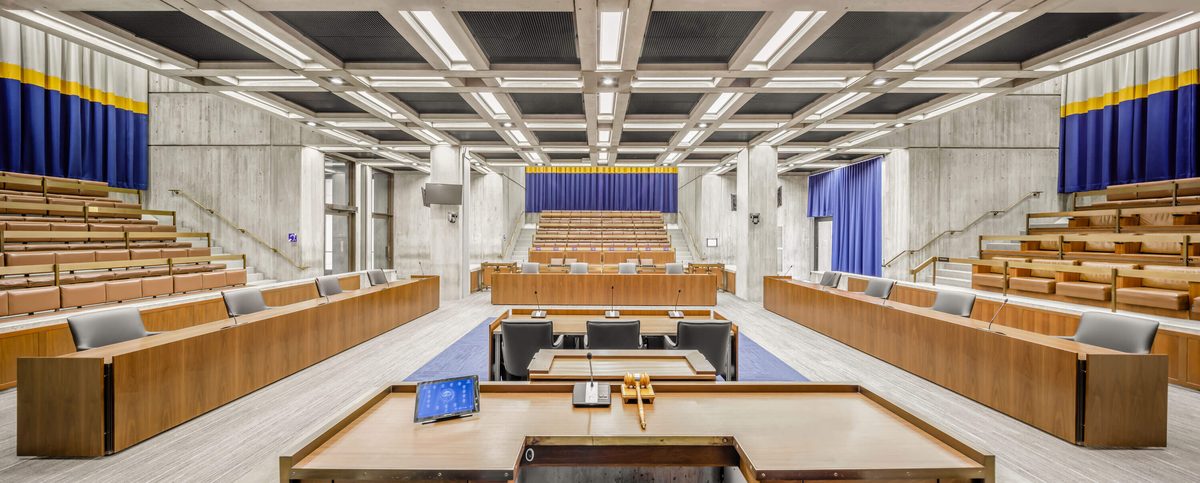
Boston, like many U.S. cities, has required most new housing to include off-street parking since the 1950s. On Nov. 18, 2026, the City Council voted 8-4 to advance a change that would stop requiring it for new residential projects.

The change now goes to the Boston Zoning Commission, which has final say. The Greater Boston Real Estate Board estimates parking costs up to $100,000 per underground space. People who support parking mandates worry there won't be enough parking without them.

Why it matters

If the Zoning Commission agrees, Boston developers could build homes without parking spaces that cost up to $100,000 each.

Last Monday's email for Boston, MA

Sent Nov 16. It carried:

Get next Monday's: one short email a week. Free. Unsubscribe in one click.

Questions about this story

Free account needed to ask — your question is kept and asked for you right after sign-up. Answers are public.

No questions yet — be the first to ask.

Key Indicators

8
Council votes in favor
Four councilors voted no and one voted present.
$100,000
Cost per underground parking space
Greater Boston Real Estate Board estimate cited in the debate.
34%
Boston households without a car
American Community Survey figure cited in coverage of the proposal.
70%
Parking spots in use at peak
Metropolitan Area Planning Council study of Greater Boston multifamily developments.

Voices

Curated perspectives — historical figures and your fellow readers.

Sign up to generate historical perspectives on this story.

People Involved

Organizations Involved

Timeline

2019 November 2026

5 events Latest: Today
Tap a bar to jump to that date
  1. City Council approves parking-minimum elimination

    Today Vote

    The council voted 8-4 to send the change to the Boston Zoning Commission, with four opposed and one present.

  2. Durkan and Santana file citywide parking-minimum proposal

    Proposal

    The councilors proposed eliminating off-street parking requirements for new residential development, with temporary neighborhood exemptions.

  3. Boston Planning Department backs ending parking minimums

    Report

    A report commissioned by the department called eliminating parking minimums the zoning change that would do the most good.

  4. Boston exempts income-restricted housing from parking minimums

    Policy

    The city removed off-street parking requirements for income-restricted housing, a narrower change than the current proposal.

  5. Study finds Boston-area parking oversupplied

    Research

    Metropolitan Area Planning Council surveyed 55 multifamily developments and found about 70% of parking spots in use at peak.

Scenarios

1

Zoning Commission approves parking-minimum elimination

Possible Resolves by Q2 2027

Discussed by: Sponsors Sharon Durkan and Henry Santana, and Abundant Housing Massachusetts

The commission reviews the council-approved amendment and adopts it without changes. That would make the elimination citywide, with temporary exemptions for East Boston, Charlestown and part of Mattapan. Developers could then build new residential projects without off-street parking.

2

Zoning Commission rejects or narrows the proposal

Possible Resolves by Q2 2027

Discussed by: Councilors FitzGerald, Flynn, Murphy and Worrell, who voted no

The commission could reject the change or approve a version that keeps parking requirements in some neighborhoods. That would leave Boston's current minimums in place or create a patchwork of rules.

Historical Context

3 moments from history that rhyme with this story — and how they unfolded.

2021

Boston removes parking minimums for income-restricted housing (2021)

Boston's zoning code stopped requiring off-street parking for income-restricted housing. The change was limited to affordable projects, leaving most market-rate development subject to the old minimums.

Then

Affordable developers gained flexibility to build without parking.

Now

The 2021 change became a template for the broader proposal now before the council.

Why this matters now

The current measure would extend the same logic to market-rate housing citywide.

2019

Perfect Fit Parking study (2019)

The Metropolitan Area Planning Council surveyed 55 multifamily developments in Greater Boston. It found about 70% of parking spots were used at peak, and at a quarter of sites less than half were occupied.

Then

The study gave housing advocates data to argue that parking mandates oversupply spaces.

Now

It is cited in Boston's debate over eliminating minimums.

Why this matters now

The council proposal relies on the same finding: required parking often exceeds actual demand.

2023

Boston Planning Department zoning report (2023)

A report commissioned by the Boston Planning Department found that eliminating parking minimums for new homes would be the single substantive zoning change that would do the most good for the city.

Then

The finding became a main argument for the proposal.

Now

It framed parking reform as a housing-supply measure.

Why this matters now

The report's finding is part of the case for the current proposal.

Sources

(3)