
Pull to refresh
Logo
Baltimore council weighs converting five rowhouses to multifamily

Baltimore council weighs converting five rowhouses to multifamily

Rule Changes Baltimore, MD local

Four zoning bills test a density path in West Baltimore neighborhoods with vacancy

6 days ago: Four conversion bills before council

Overview

Updated 2 hours ago

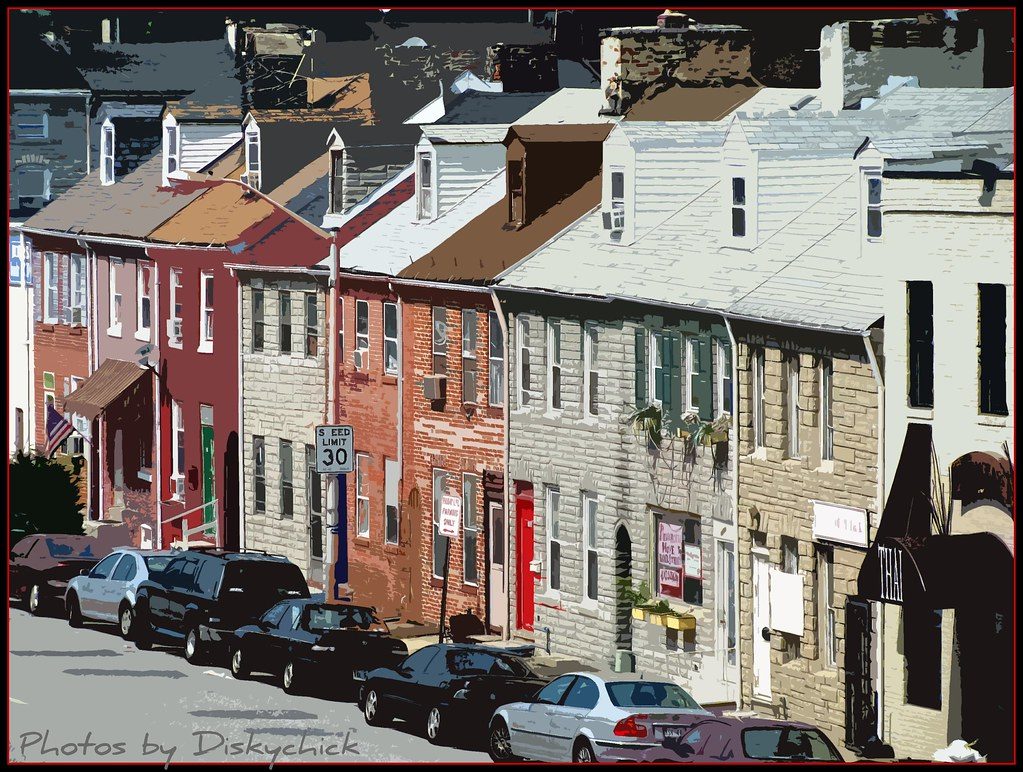
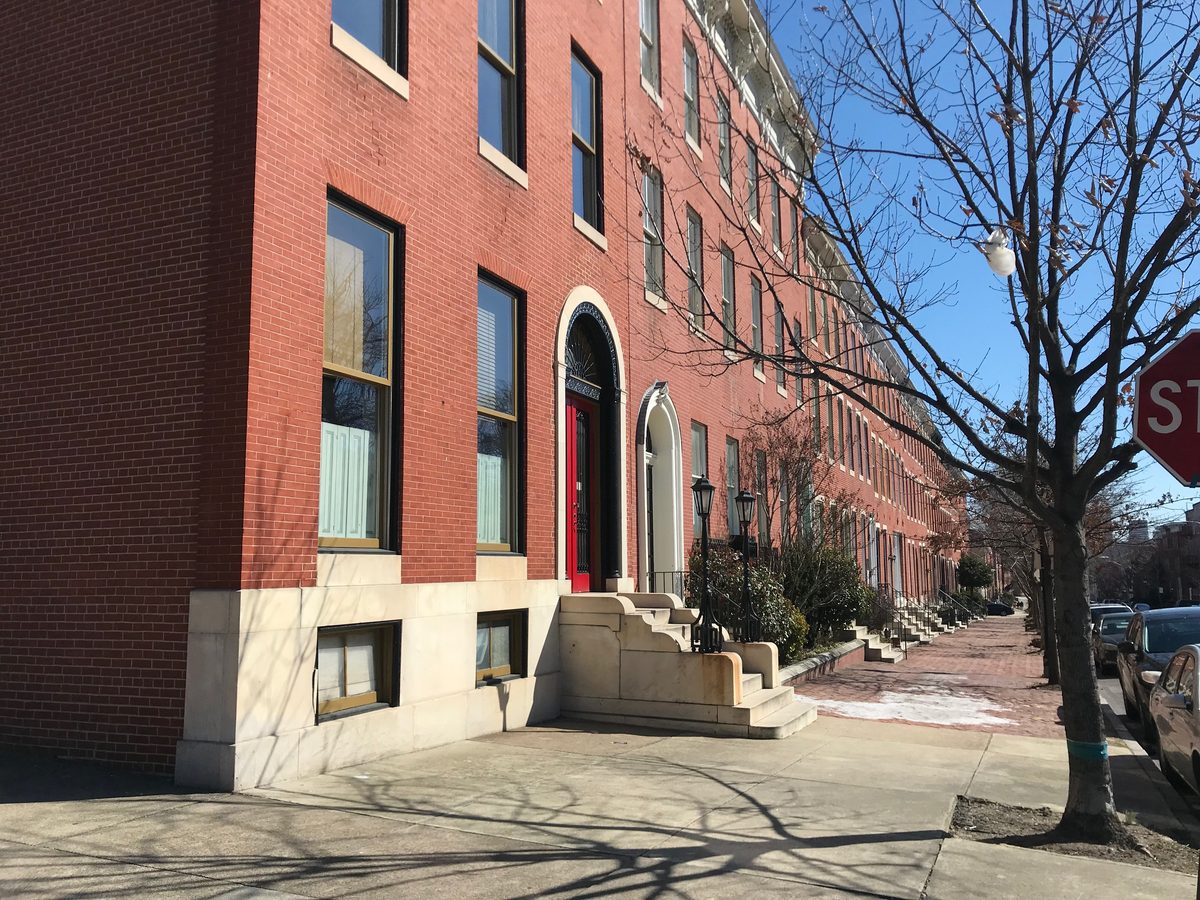
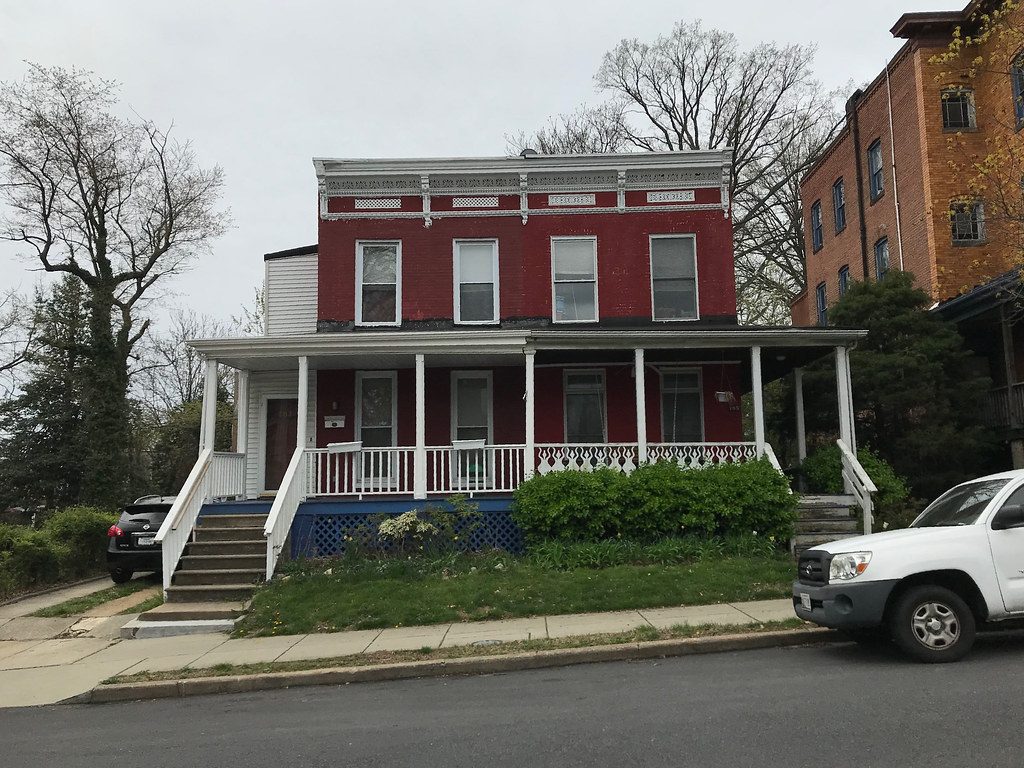
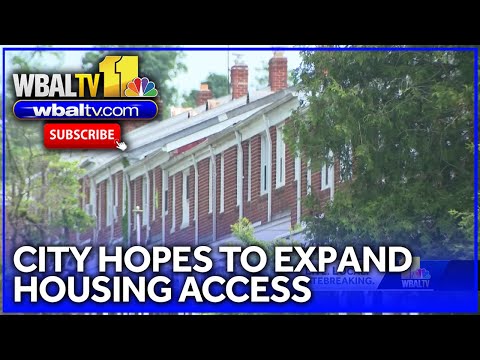
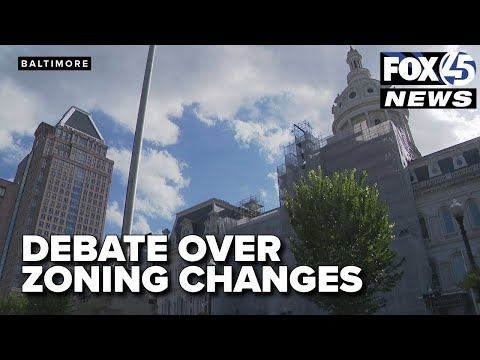
Baltimore's zoning code requires a vote of the full City Council to turn a single-family rowhouse into multiple apartments. This fall, the council is weighing four such bills that would convert five rowhouses in West Baltimore neighborhoods including Harlem Park, Barre Circle, and Sandtown-Winchester.

The cluster tests whether Baltimore's legislative zoning path can add housing units in areas hit hard by vacancy. Community organizations filed support letters, citing the need for housing and the chance to bring vacant properties back into use. Several of the requests also need lot-size variances, since the parcels fall short of current R-8 requirements.

Why it matters

Passage would give rowhouse owners a working path to add units in a city with roughly 13,000 vacant homes.

Baltimore, MD news by email

Openings, permits and council decisions in Baltimore, MD, in your inbox every Monday.

Questions about this story

Free account needed to ask — your question is kept and asked for you right after sign-up. Answers are public.

No questions yet — be the first to ask.

Key Indicators

4
Zoning bills before council
Four bills seek conditional-use conversions of five rowhouses in R-8 districts.
5
Rowhouses targeted
Properties on N. Carey, W. Barre, N. Calhoun, and N. Gilmor streets.
13,000
Vacant homes citywide
Rough count cited by Maryland officials in the vacant-housing push.
$50M
State vacant-housing funds
Maryland released $50 million to developers in 2025.

Voices

Curated perspectives — historical figures and your fellow readers.

Ever wondered what historical figures would say about today's headlines?

Sign up to generate historical perspectives on this story.

People Involved

Organizations Involved

Timeline

October 2024 September 2026

4 events Latest: 6 days ago
Tap a bar to jump to that date
  1. Four conversion bills before council

    Latest Legislative

    Bills seek conditional-use conversions of five rowhouses; several need lot-size variances; community groups file support.

  2. First conversion bill introduced

    Legislative

    Baltimore council takes up the first of four rowhouse-to-multifamily zoning bills.

  3. State releases $50M for developers

    Funding

    Maryland Housing Secretary Jake Day cuts vacant-housing funding wait to under a year.

  4. Reinvest Baltimore launches

    Policy

    Governor Wes Moore's program targets 5,000 vacant homes in five years.

Scenarios

1

Baltimore council approves all four rowhouse conversions

Possible Resolves by Q1 2027

Discussed by: West Baltimore community organizations that filed support letters

The council passes all four bills on final reading, and the Board of Municipal and Zoning Appeals grants the required lot-size variances. The five rowhouses gain multifamily units, creating precedent for more such conversions on R-8 lots. Community support letters and the city's vacancy push bolster the path.

2

Council splits, approving some conversions

Possible Resolves by Q1 2027

Discussed by: Baltimore zoning attorneys following the cluster

The council passes some bills but rejects or defers others, likely on lot-size variances or narrow opposition from individual block associations. The precedent is partial, leaving the conversion path open for some properties but not others. This is the standard outcome for clustered conditional-use bills where each parcel faces distinct constraints.

3

Variance denials block the conversions

Possible Resolves by Q2 2027

Discussed by: Zoning attorneys who handle lot-area variance cases

The council approves the conditional uses, but the Board of Municipal and Zoning Appeals denies the lot-size variances because the parcels fall short of R-8 minimums. Without variances, the conversions cannot proceed. Owners would need to reduce unit counts, buy adjacent land, or abandon the plans.

Historical Context

2 moments from history that rhyme with this story — and how they unfolded.

December 2018

Minneapolis ends single-family zoning (2018)

Minneapolis became the first major U.S. city to eliminate single-family zoning, allowing up to three units on any residential lot. The change came through a 12-0 council vote as part of a plan to address a housing shortage and racial segregation.

Then

The policy took effect in 2019, with duplexes and triplexes allowed citywide. Opposition and legal challenges followed, but the change stuck.

Now

The reform became a national template for upzoning, and several states and cities later copied or adapted it.

Why this matters now

Minneapolis removed the legal barrier Baltimore keeps: a case-by-case council vote for each conversion. By-right zoning avoids the cost and uncertainty of Baltimore's conditional-use path.

2016–2021

California ADU reforms (2016–2021)

California passed successive laws to make accessory dwelling units legal by right on single-family lots, starting with SB 1069 and AB 2299 in 2016. A later bill, SB 9 (2021), allowed duplexes and lot splits.

Then

ADU permitting rose sharply, with annual permits roughly tripling between 2017 and 2021. Approval shifted from discretionary to ministerial review.

Now

Accessory units became a significant share of new housing in many California markets, showing how removing discretionary review can unlock units without new land.

Why this matters now

Contrasts with Baltimore's case-by-case council approval. When conversions are by right, owners do not need a bill and a variance for each property.

Sources

(12)