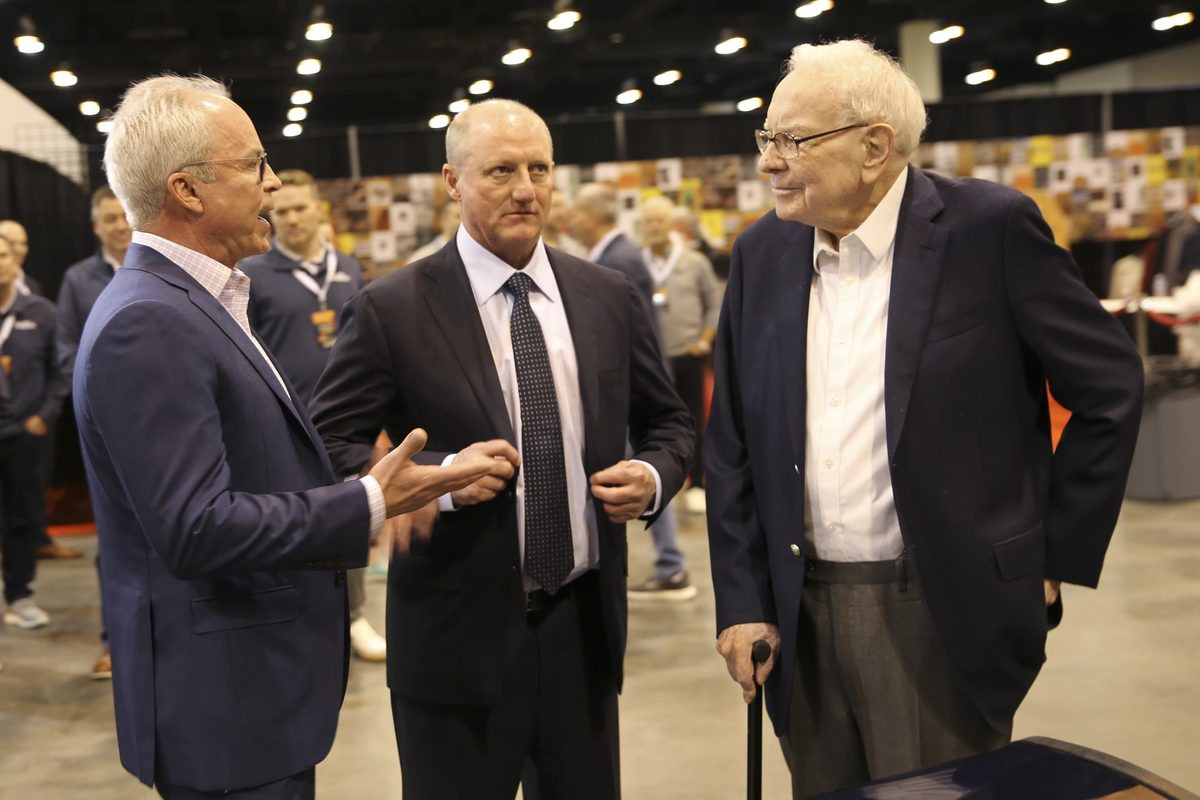
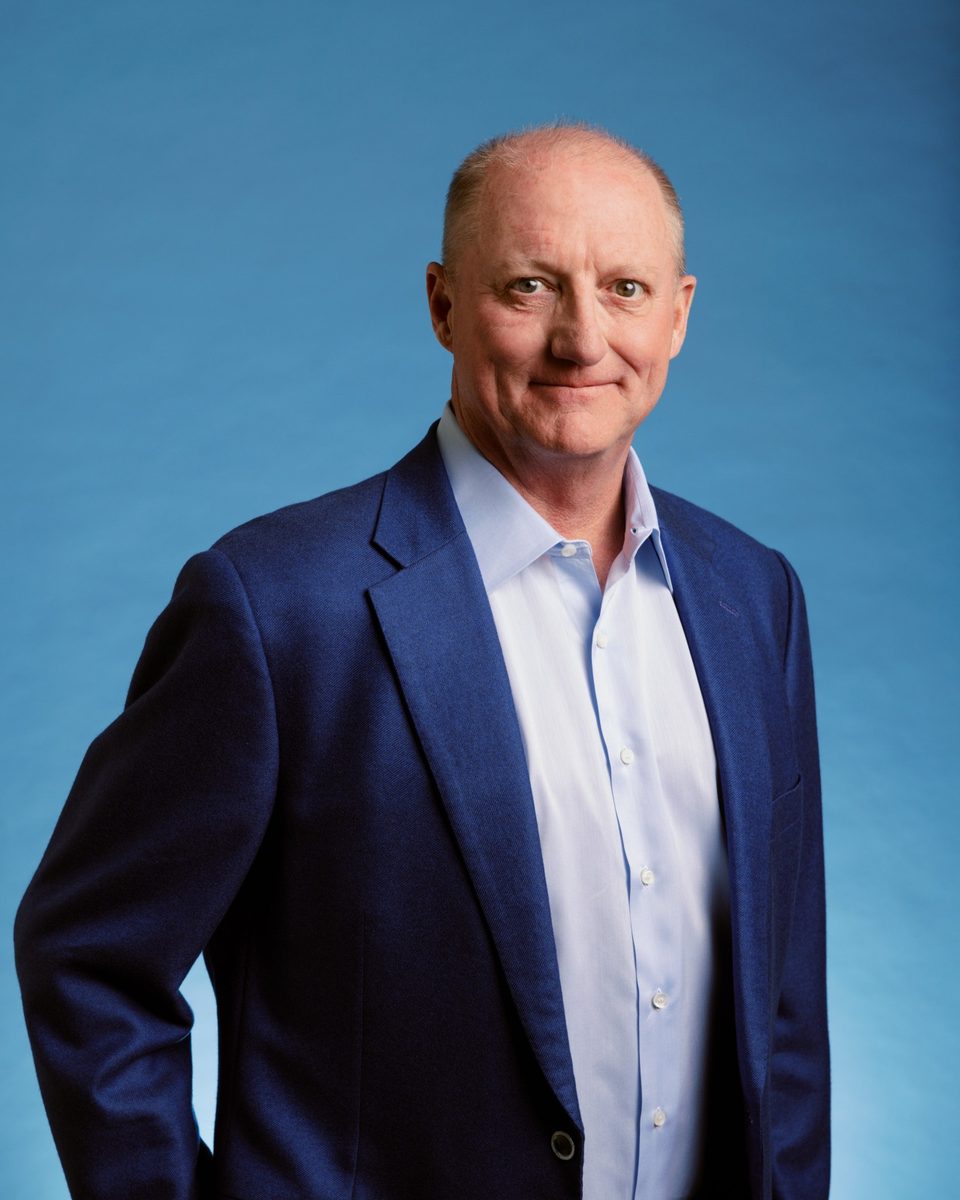
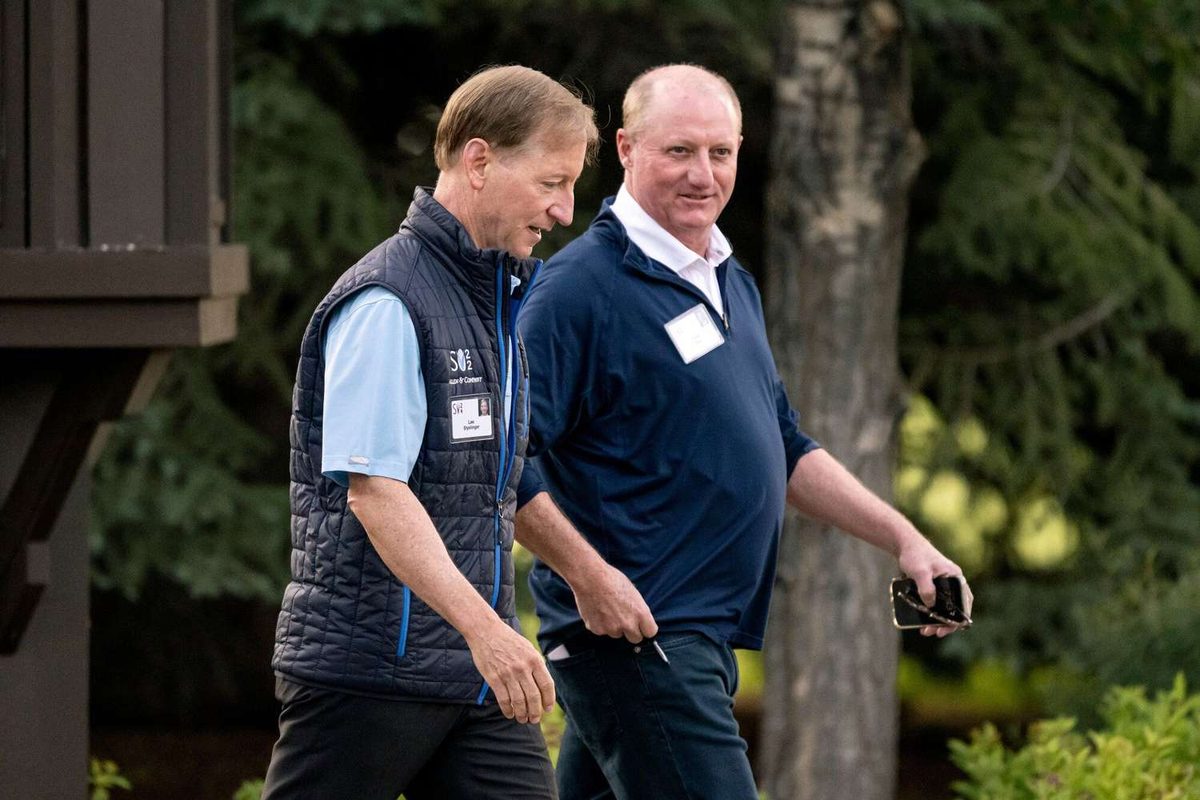
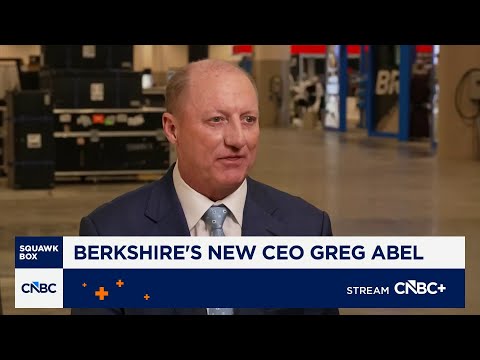
Greg Abel's first acquisition closed on July 24, when Berkshire finished its $8.5 billion takeover of Taylor Morrison, a homebuilder with 350 communities in 12 states. The deal, announced May 31, was Abel's first big test as CEO.
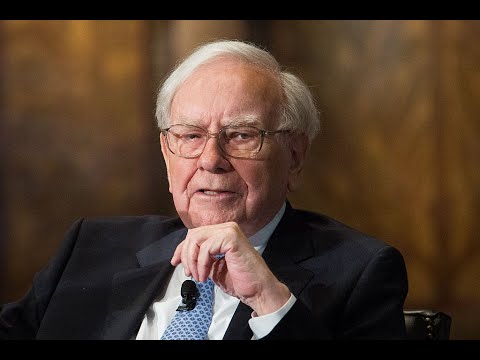
He has also changed how Berkshire invests. His Q2 securities filing, released August 14, showed $23.5 billion of net stock buying, the first in nearly four years, and made Alphabet the third-largest holding. On September 18, Warren Buffett stepped down as chairman after six decades, handing the role to his son Howard.
Why it matters
Abel closed his first deal and restarted stock buying. Berkshire's $397 billion cash pile still looms over what he does next.
Questions about this story
Free account needed to ask — your question is kept and asked for you right after sign-up. Answers are public.
No questions yet — be the first to ask.
Key Indicators
$1T
Berkshire market cap
First non-technology U.S. company to cross the trillion-dollar threshold, in August 2024.
$397B
Cash and equivalents
Cash position as of Q1 2026, up $24 billion from year-end 2025. Abel deployed $23.5 billion into stocks in Q2.
$357B
Stock portfolio value
Berkshire's public-equity portfolio in the Q2 2026 13F; Alphabet is the third-largest holding.
60
Years Buffett ran Berkshire
Buffett took control of the failing textile mill in 1965 and stepped down as CEO at year-end 2025.
63
Abel's age at succession
Joined Berkshire's energy business in 1992; named vice chairman of non-insurance operations in 2018.
16 events
Latest: August 14th, 2026 · 2 months ago
Showing 8 of 16
JK to step
Tap a bar to jump to that date
Jump to
August 2026
Q2 13F shows Abel as a net buyer of stocks
LatestCapital Allocation
Berkshire put about $23.5 billion into equities in Q2, ending a 14-quarter stretch of net selling. Alphabet became the third-largest holding, Bank of America was trimmed an eighth straight quarter, and Berkshire repurchased $4.5 billion of its own stock.
July 2026
Berkshire closes Taylor Morrison acquisition
Merger
Berkshire completed its $8.5 billion enterprise-value takeover of Taylor Morrison at $72.50 per share. The homebuilder, with 350 communities in 12 states, delisted from the New York Stock Exchange.
May 2026
13F filing reveals Abel's Q1 portfolio overhaul
Capital Allocation
Berkshire's Q1 13F shows Abel sold 16 positions—including Visa, Mastercard, UnitedHealth, Domino's, and Amazon—while initiating a $2.6 billion stake in Delta Air Lines and a position in Macy's. Alphabet holdings increased by 224%.
Abel rules out Berkshire break-up at annual meeting
Statement
Abel tells shareholders the conglomerate structure will stay intact, saying Berkshire sees it 'working without the bureaucracy and bloated costs.' He also discusses AI, saying Berkshire will be a 'builder of technology, rather than just a buyer.'
First annual meeting without Buffett at the podium
Meeting
Abel hosts the Q&A in Omaha alongside Jain, BNSF CEO Katie Farmer, and reinsurance executive Adam Johnson; Buffett attends but does not take questions.
Q1 2026 earnings: cash climbs to $397 billion
Earnings
Berkshire posts $11.35 billion in Q1 operating profit, up 18% year-over-year, slightly missing analyst expectations of $11.56 billion. Cash and equivalents rose to $397 billion, up from $373 billion at year-end 2025.
March 2026
Abel restarts share buybacks
Capital Allocation
Resumes Berkshire's repurchase program after a long pause and discloses he will direct his entire 2026 after-tax salary into Class A shares.
February 2026
Abel calls cash pile 'dry powder'
Statement
In his first shareholder letter, Abel frames the $373 billion cash position as opportunistic reserves rather than a retreat from deal-making.
January 2026
Shares dip on first trading day of Abel era
Market
Class B shares decline modestly as investors digest the transition and begin assessing the size of any 'Buffett premium' embedded in the stock.
Abel becomes chief executive officer
Transition
Greg Abel formally takes the CEO role; Buffett moves to chairman emeritus, retaining a board seat but stepping back from operational decisions.
May 2025
Buffett announces year-end retirement
Succession
At the 2025 annual meeting, Buffett surprises shareholders by announcing he will step down as CEO on December 31 and recommend Abel as his successor.
August 2024
Berkshire crosses $1 trillion market cap
Milestone
Becomes the first non-technology U.S. company to reach a trillion-dollar valuation, underscoring the scale Abel will inherit.
November 2023
Charlie Munger dies at 99
Leadership
Buffett's longtime partner and vice chairman dies, removing the second voice that had shaped Berkshire's culture and capital allocation since the 1970s.
May 2021
Munger reveals Abel as designated successor
Disclosure
Charlie Munger inadvertently identifies Abel as the next CEO at the annual meeting; Buffett confirms shortly after that the board has aligned on Abel.
January 2018
Abel and Jain promoted to vice chairman
Succession
Buffett elevates Greg Abel to oversee non-insurance operations and Ajit Jain to oversee insurance, the first formal narrowing of the succession field.
May 1965
Buffett takes control of Berkshire Hathaway
Origin
Warren Buffett buys controlling stake in the failing Massachusetts textile maker and begins redirecting its capital into insurance and other businesses.
Scenarios
1
Abel announces largest acquisition in Berkshire history
With $373 billion in cash drawing scrutiny and the buyback program already restarted, Abel deploys a meaningful slice into a transformative acquisition—likely an industrial, energy, or insurance asset Berkshire knows well. Trigger: a market dislocation or motivated seller. Bloomberg and Seeking Alpha analysts have noted Abel's energy-sector dealmaking experience makes a large utility or pipeline acquisition the most plausible first move.
2
Berkshire holds steady, Abel maintains Buffett's playbook
Abel continues the same pattern Buffett ran in his final years: modest buybacks, selective add-ons to existing positions, and patience with the cash pile rather than forced deployment. Performance tracks the broader market. Several analysts have noted Abel's early signals—calling the cash 'dry powder,' restarting buybacks at measured pace, investing his salary in Class A shares—point toward continuity over reinvention.
3
Conglomerate discount widens, activists circle
Uncertain
Discussed by: Bloomberg, governance researchers
If Abel underperforms the S&P 500 over several years and the cash pile keeps growing without deployment, Berkshire's price-to-book premium compresses and activist investors begin pressing for spinoffs of BNSF, Berkshire Hathaway Energy, or the equity portfolio. Bloomberg flagged Berkshire's pre-meeting share weakness as an early signal of investor uncertainty about the post-Buffett premium.
4
Abel reshapes Berkshire toward technology and infrastructure
Possible
Discussed by: Simply Wall St, CNBC commentators
Drawing on his utility-sector background, Abel tilts capital toward grid infrastructure, data-center power, and adjacent technology investments where Berkshire Hathaway Energy already has expertise. The portfolio gradually looks less like Buffett's classic mix of consumer brands and financials. Trigger: the U.S. power-demand surge from AI and electrification creating returns Abel knows how to underwrite.
5
Abel Builds a National Homebuilding Platform
Possible
Resolves by End of 2027
Discussed by: The Motley Fool, housing industry analysts
Abel said Berkshire expects to unify its site-built homebuilding operations into one platform. With Taylor Morrison closed, he could add more builders or land developers, putting part of the cash pile to work in housing.
6
Alphabet Becomes a Core Berkshire Holding
Likely
Resolves by Nov 15, 2026
Discussed by: The Motley Fool
Abel tripled Berkshire's Alphabet stake in Q1 and added $17 billion in Q2, making it the No. 3 holding. The open question is whether he treats it as a permanent Berkshire-style holding or trades around it.
Historical Context
3 moments from history that rhyme with this story — and how they unfolded.
1 of 3
August–October 2011
Apple succession from Steve Jobs to Tim Cook (2011)
Steve Jobs resigned as Apple CEO in August 2011 and died that October. Tim Cook, the operations chief Jobs had groomed, took over a company many doubted could thrive without its founder's product instincts. Apple's market value was about $350 billion at the handoff.
Then
The iPhone 4S launch went smoothly and Apple's revenue continued growing through 2012, easing immediate fears about Cook's product judgment.
Now
Apple's market value passed $3 trillion under Cook as he leaned on operations, services revenue, and capital returns rather than founder-style product reveals.
Why this matters now
Like Cook, Abel is an operations-first executive succeeding an iconic capital allocator. Apple's experience suggests that a different leadership style—if it fits the business—can extend rather than dilute a founder's company.
2 of 3
September 2001
GE succession from Jack Welch to Jeff Immelt (2001)
Jack Welch retired in September 2001 after 20 years building General Electric into a celebrated industrial-financial conglomerate worth roughly $400 billion at peak. Jeffrey Immelt inherited the model—and its hidden exposures in GE Capital—four days before the September 11 attacks.
Then
The 9/11 insurance and aviation shocks immediately tested Immelt; GE's stock entered a long decline that the 2008 financial crisis deepened.
Now
Immelt was forced out in 2017, and the company that had been America's most valuable was broken into three separate listed firms by 2024.
Why this matters now
GE is the cautionary parallel: a celebrated conglomerate whose successor inherited both the architecture and the hidden risks. Abel's $373 billion cash position is a defensive moat—but also a target if it is deployed poorly or not at all.
3 of 3
February 1988
Walmart succession from Sam Walton to David Glass (1988)
Sam Walton stepped down as Walmart's CEO in February 1988, handing the role to David Glass, a quiet operations executive who had been with the company since 1976. Walmart had about 1,200 stores and $16 billion in revenue at the transition.
Then
Glass continued Walton's aggressive store-expansion model, doubling the footprint within a few years and accelerating the rollout of Supercenters.
Now
Walmart became the world's largest retailer by 2002, by which point Glass had handed the role to Lee Scott. Glass was credited for preserving Walton's culture rather than reinventing it.
Why this matters now
The closest behavioral match for Abel: a low-profile operator inheriting a founder-built empire and choosing continuity over reinvention. Walmart's experience suggests Abel's stated patience may be an underrated strategy rather than a lack of ambition.