
Pull to refresh
Logo
Daily Brief
Following
Why Sign Up
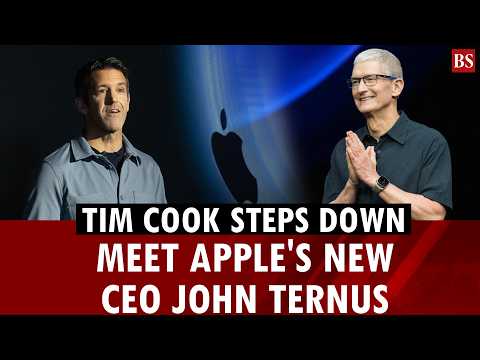
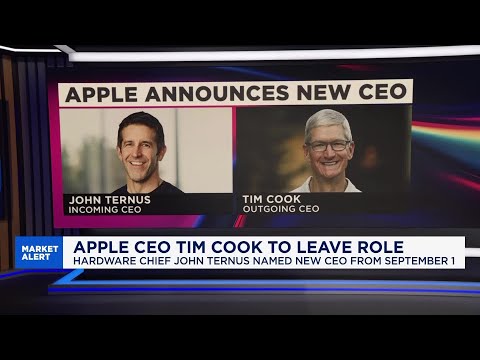
Apple names hardware chief John Ternus as next CEO, ending Tim Cook's 15-year run

Apple names hardware chief John Ternus as next CEO, ending Tim Cook's 15-year run

Money Moves
By Newzino Staff |

Cook transitions to executive chairman as Apple faces its first leadership change since 2011

Today: Apple stock dips as Wall Street digests leadership change

Overview

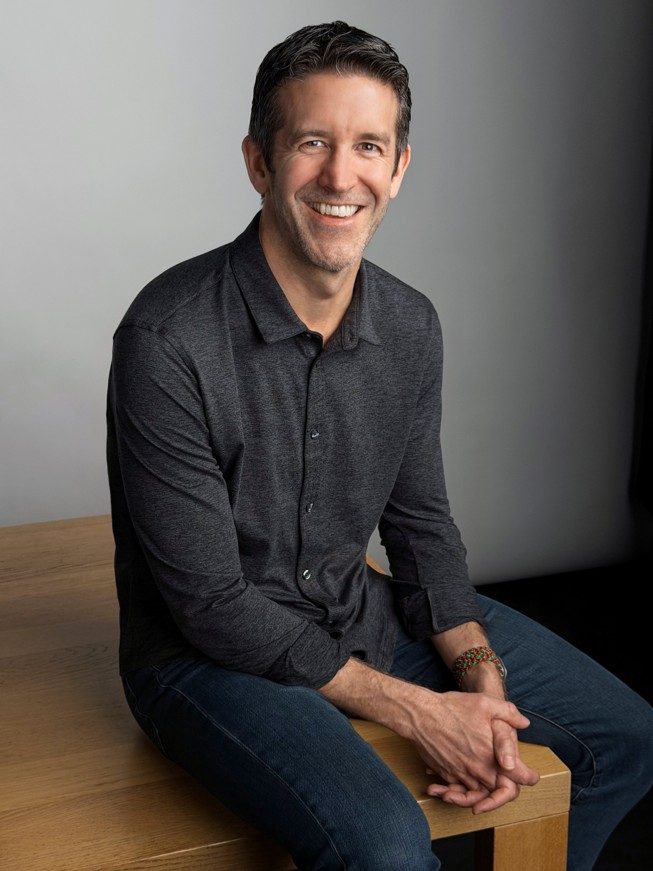
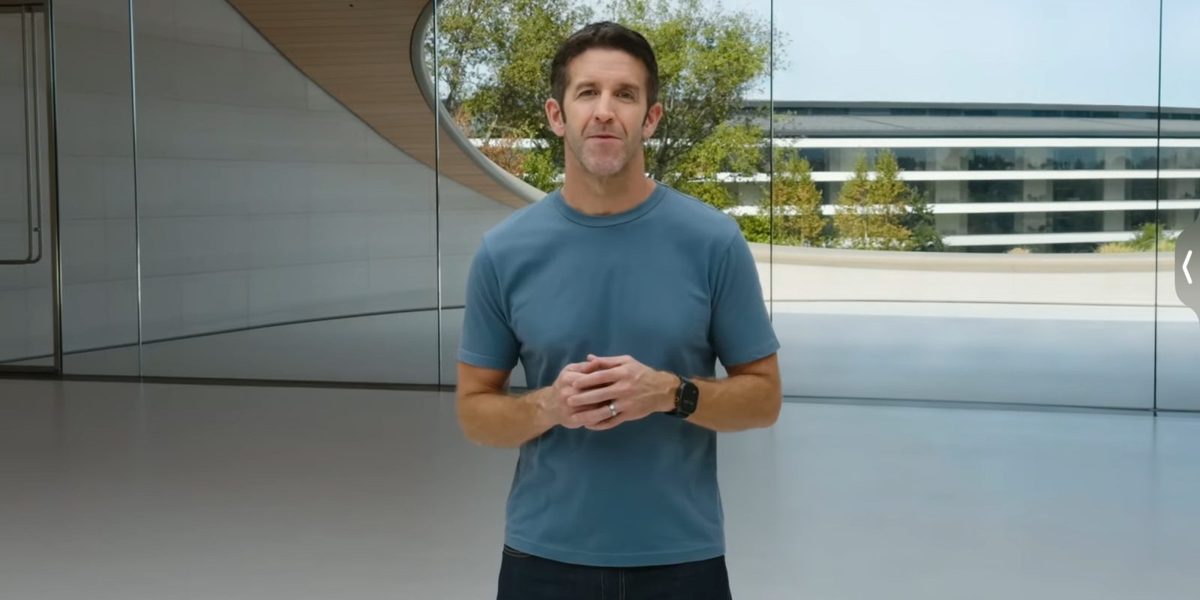
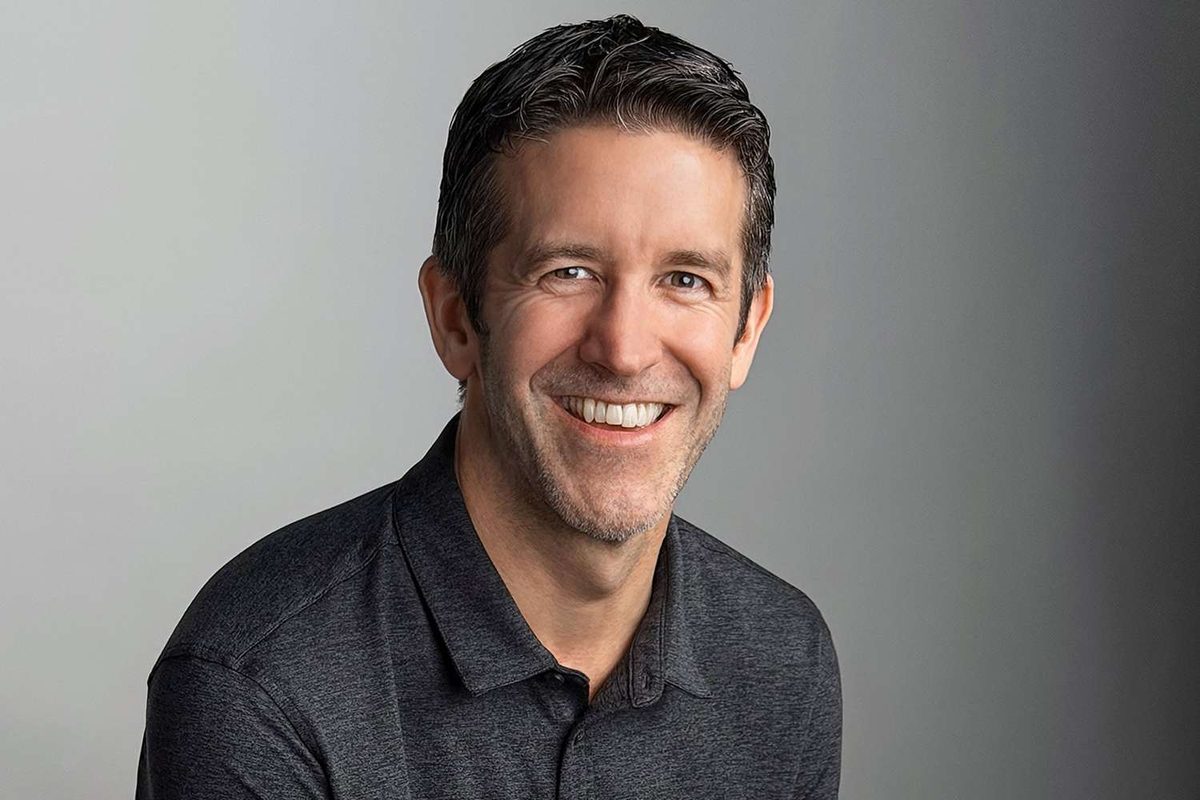
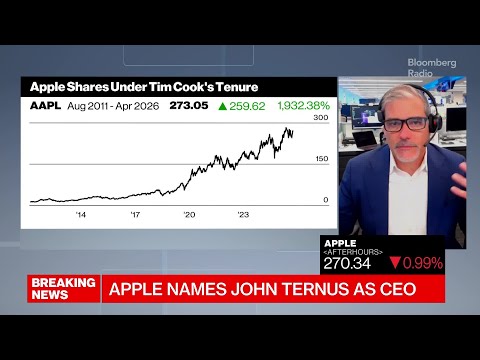
Apple has had exactly three chief executives in its 50-year history. On April 20, 2026, it named its fourth: John Ternus, the 51-year-old mechanical engineer who has led Apple's hardware engineering division since 2021 and spent 25 years at the company. Tim Cook, who took over from Steve Jobs in 2011 and grew Apple from a $350 billion company to a $4 trillion one, will step down as chief executive on August 31 and become executive chairman of the board.

Why it matters

The world's most valuable company is betting a hardware engineer can solve its biggest problem: falling behind in artificial intelligence.

Key Indicators

$4T
Apple market capitalization
Up from $350 billion when Cook took over in 2011β€”a roughly 1,050% increase under his tenure.
25 years
Ternus's tenure at Apple
Joined in 2001; led hardware engineering for iPhone, iPad, Mac, AirPods, and Apple Watch.
~2.7%
Apple stock decline on announcement day
Shares dipped after the announcement, though major analysts maintained buy ratings.
3rd
CEO in Apple's history
Ternus becomes only the fourth chief executive of Apple, after Jobs, Sculley-era leaders, and Cook.

Interactive

Exploring all sides of a story is often best achieved with Play.

Ever wondered what historical figures would say about today's headlines?

Sign up to generate historical perspectives on this story.

Sign Up

Debate Arena

Two rounds, two personas, one winner. You set the crossfire.

People Involved

Organizations Involved

Timeline

  1. Apple stock dips as Wall Street digests leadership change

    Market

    Shares fell roughly 2.7% in the first full trading session after the announcement. Analysts at Wedbush, Evercore, Citi, and Bank of America maintained buy ratings with price targets between $315 and $350.

  2. Apple names Ternus as next CEO; Cook to become chairman

    Leadership

    Apple announced that John Ternus will succeed Tim Cook as chief executive effective September 1, 2026. Cook will become executive chairman. Arthur Levinson moves from chairman to lead independent director. The board approved the transition unanimously.

  3. Apple hit by wave of executive departures

    Departure

    The heads of artificial intelligence, interface design, legal, and government affairs all left in quick succession. Reports surfaced that chip chief Johny Srouji was also considering departure, though he later said he planned to stay.

  4. COO Jeff Williams retires

    Departure

    Williams, Cook's longtime number two and once the presumed successor, retired after 27 years at Apple and a decade as chief operating officer. His exit reshaped the succession calculus.

  5. Vision Pro ships, led by Ternus's hardware team

    Product

    Apple's $3,499 spatial computing headset launched to mixed reception. Sales fell short of 1 million units in its first year, raising questions about the product's mass-market viability.

  6. Apple launches M1 chip, ending Intel partnership

    Product

    Apple shipped its first self-designed processor for Macs, beginning a two-year transition away from Intel. The move revitalized Mac sales and gave Apple full control over its silicon stack.

  7. Tim Cook becomes Apple CEO

    Leadership

    Steve Jobs resigned as CEO due to declining health. Cook, then chief operating officer, took over. Jobs died six weeks later on October 5, 2011.

Scenarios

1

Ternus closes the AI gap through hardware-software integration

Discussed by: Fortune, Wedbush Securities (Dan Ives), analysts favoring Apple's on-device AI approach

Ternus leverages his deep hardware expertise to build custom silicon and on-device capabilities that differentiate Apple's AI from cloud-dependent competitors. Apple's partnership with Google's Gemini and its own on-device models mature into a coherent product experience. The next iPhone cycle becomes a genuine AI-driven upgrade, and Apple's installed base of over 2 billion devices becomes the platform's moat. This scenario plays to Ternus's strengths and Apple's historical pattern of arriving late to a category but integrating it better than anyone.

2

Continuity keeps Apple steady but doesn't reignite growth

Discussed by: Bloomberg Intelligence (Anurag Rana), analysts noting the 'continuity over change' signal

Ternus runs Apple much as Cook didβ€”operational excellence, incremental hardware improvements, growing services revenue. Apple Intelligence improves slowly but never becomes a compelling reason to upgrade. Revenue grows in the low single digits. The stock trades sideways as investors price in a mature company rather than an innovation leader. This is the outcome some analysts feared when Bloomberg Intelligence called the move a signal of 'continuity rather than strategic change.'

3

Executive exodus deepens, destabilizing the transition

Discussed by: Fortune, Bloomberg (reporting on departures of AI, design, legal, and government affairs leads)

The 2025 executive departures were the leading edge of a broader talent drain. If chip chief Johny Srouji or other senior engineers follow, Apple loses institutional knowledge at a critical moment. Ternus would inherit a leadership vacuum that forces him to spend his first year recruiting rather than executing. Meta and other rivals, which have already poached Apple AI talent, continue to pull engineers. This is the tail-risk scenario that makes the transition timelineβ€”still four months awayβ€”particularly delicate.

4

Ternus makes a bold product bet that redefines Apple's next era

Discussed by: Bloomberg (comparing Ternus to Jobs-era decisiveness), 9to5Mac, tech analysts hoping for a product-first CEO

Freed from Cook's operations-first temperament, Ternus uses his product instincts to make a high-conviction betβ€”perhaps a dramatically reimagined Vision Pro at an accessible price point, or an AI-native device category that doesn't exist yet. This is the Jobs parallel some observers are drawing: a product-obsessed leader who can will a new category into existence. It's the most optimistic scenario and the least certain, since Ternus has never been tested as a company-wide strategist.

Historical Context

Steve Jobs returns to Apple (1997)

July 1997 – January 2000

What Happened

Apple bought NeXT for $429 million in 1997, bringing Steve Jobs back to the company he co-founded. Jobs became interim CEO, then permanent CEO in January 2000. He inherited a company 90 days from bankruptcy and reshaped it through ruthless product focusβ€”killing the Newton, slashing the product line to four models, and launching the iMac.

Outcome

Short Term

Apple returned to profitability within a year. The iMac became the best-selling computer in America.

Long Term

Jobs's product-first philosophy led to iPod, iTunes, iPhone, and iPadβ€”transforming Apple from a niche computer company into the world's most valuable.

Why It's Relevant Today

Ternus is the first Apple CEO since Jobs with a product engineering background rather than an operations one. Whether that matters depends on whether Apple's next era requires a new product vision or continued operational excellence.

Satya Nadella replaces Steve Ballmer at Microsoft (2014)

February 2014

What Happened

Microsoft's board chose Satya Nadella, the head of the company's cloud and enterprise division, over external candidates and more prominent internal ones. Ballmer, who had led Microsoft for 14 years, became the largest individual shareholder but stepped away from operations. Nadella inherited a company widely seen as having missed mobile and losing relevance.

Outcome

Short Term

Nadella immediately pivoted Microsoft's strategy toward cloud computing and declared 'mobile first, cloud first.'

Long Term

Microsoft's market capitalization grew from roughly $300 billion to over $3 trillion under Nadella. The company became the world's most valuable, powered by Azure cloud services and its early partnership with OpenAI.

Why It's Relevant Today

The closest parallel to Apple's current situation: a dominant tech company choosing an internal technical leader to succeed an operations-focused CEO at a moment when the company needs a strategic pivot. Nadella's success came from making a decisive bet on cloud; the question is whether Ternus can make an equivalent bet on AI.

Bob Iger hands Disney to Bob Chapek, then returns (2020–2022)

February 2020 – November 2022

What Happened

Bob Iger handed the Disney CEO role to Bob Chapek in February 2020 while becoming executive chairmanβ€”a structure almost identical to what Apple announced. Chapek struggled with talent relations, the pandemic, and strategic direction. Twenty months later, Disney's board fired Chapek and asked Iger to return.

Outcome

Short Term

Chapek's tenure was marked by public feuds with talent, a falling stock price, and a political battle with Florida over the company's stance on state legislation.

Long Term

Iger's return stabilized Disney but raised hard questions about succession planning at major companiesβ€”and about whether an outgoing CEO staying as executive chairman helps or hinders a successor.

Why It's Relevant Today

The Disney case is the cautionary tale for Apple's chosen structure. Cook remaining as executive chairman creates a safety net but also a shadow. If Ternus struggles, the dynamic could become complicatedβ€”though Cook's temperament and the board's unanimous support suggest a more disciplined transition than Disney managed.

Sources

(15)