
Pull to refresh
Logo
Daily Brief
Following
Why
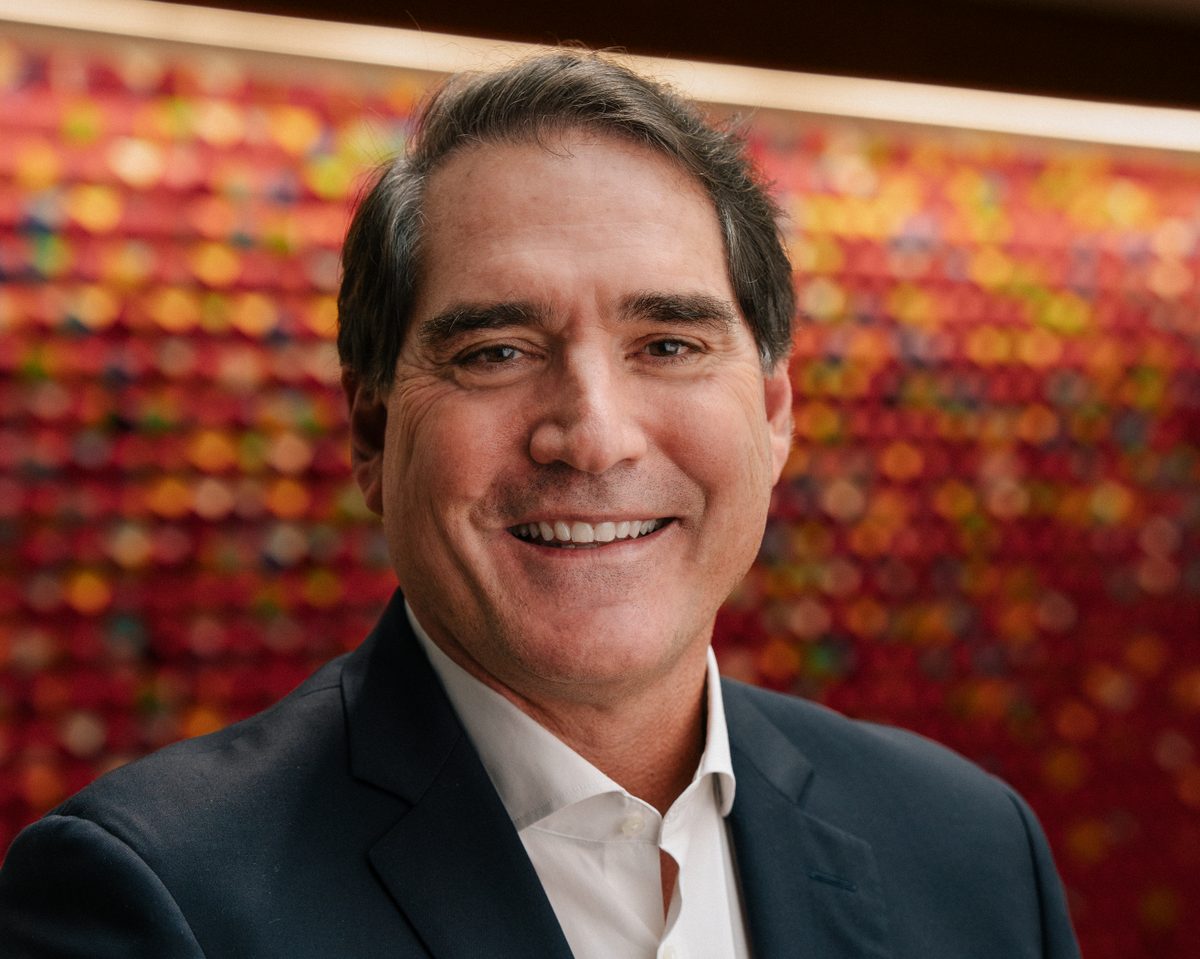
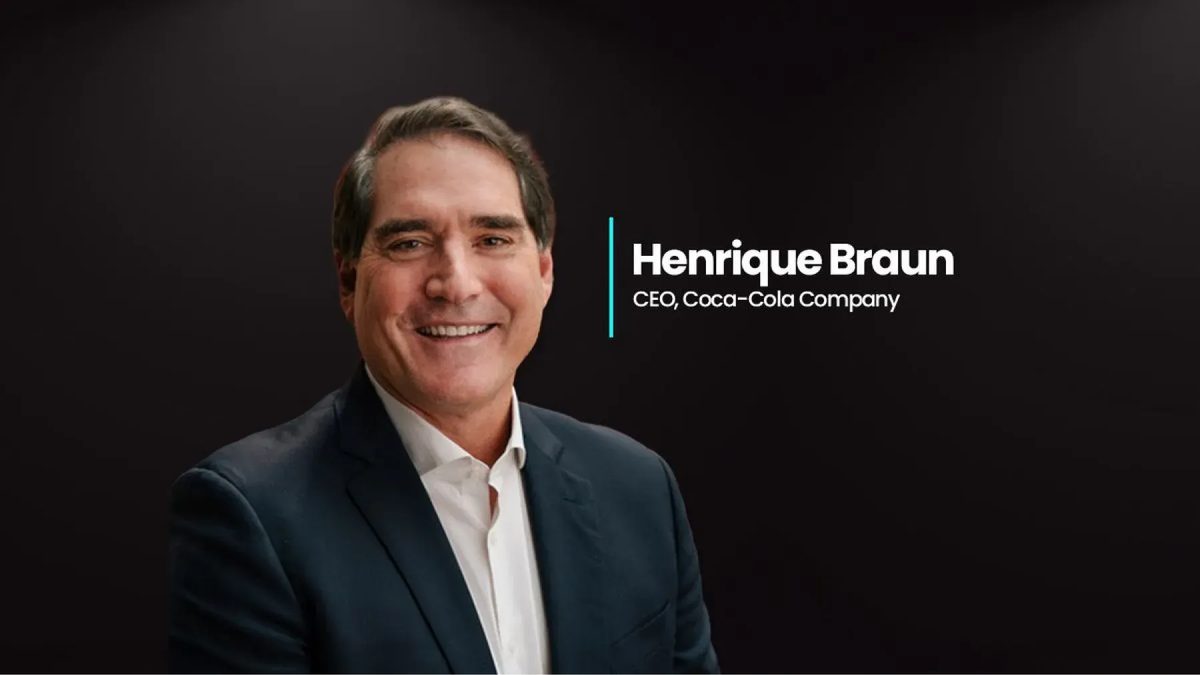
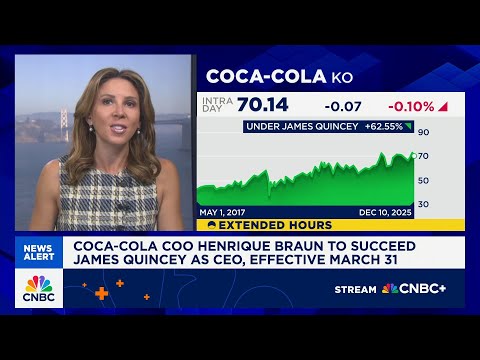
Coca-Cola names Henrique Braun as new chief executive

Coca-Cola names Henrique Braun as new chief executive

Money Moves
By Newzino Staff | |

James Quincey moves to executive chairman after nine-year CEO tenure; leadership handoff takes effect March 31

In 7 days: Coca-Cola Corporate Restructuring and Layoffs Begin

Overview

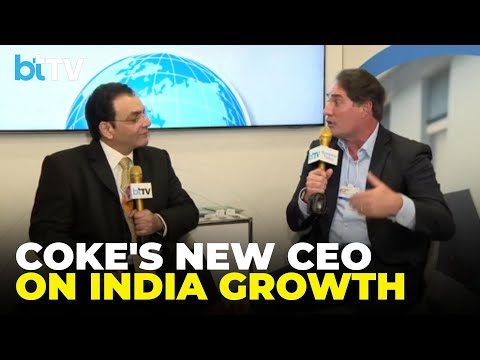
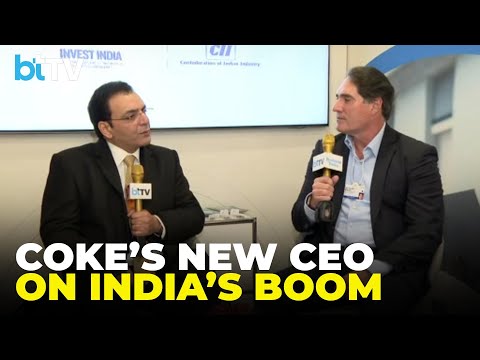
James Quincey has led Coca-Cola since 2017, transforming the world's largest beverage company from a soda-maker into a sprawling portfolio spanning coffee, protein shakes, and sports drinks. On March 31, 2026, he hands the keys to Henrique Braun, a 30-year company veteran who rose through supply chain, marketing, and operations roles across four continents. During the February 10 earnings call, Braun outlined his strategic priorities: accelerating product innovation speed, scaling local and regional brands into billion-dollar franchises, and improving marketing integration at the point of sale.

The transition arrives at an inflection point. Coca-Cola's stock sits near all-time highs, but revenue missed analyst expectations for the first time in five years. GLP-1 weight-loss drugs are reshaping consumer behavior away from sugary drinks. Two of Quincey's biggest bets—the $5.1 billion Costa Coffee acquisition and the $5.6 billion BodyArmor purchase—have underperformed, while Fairlife protein shakes and regional brands like Mexico's Santa Clara have become runaway successes. Braun inherits a company with strong margins but an identity question: what does Coca-Cola become in a world that's drinking less soda? His focus on local brand acceleration and innovation speed suggests a more operationally disciplined approach than Quincey's acquisition-driven expansion strategy.

Key Indicators

$11.82B
Q4 2025 Revenue
Missed analyst expectations of $12.03 billion, the first revenue miss in five years
58¢
Adjusted Earnings Per Share
Beat expectations of 56 cents, demonstrating strong margin management
4-5%
2026 Organic Revenue Guidance
Below analyst expectations, reflecting cautious outlook
30 years
Braun's Tenure at Coca-Cola
Joined in 1996; led operations across North America, Europe, Latin America, and Asia

Interactive

Exploring all sides of a story is often best achieved with Play.

Ever wondered what historical figures would say about today's headlines?

Sign up to generate historical perspectives on this story.

Sign Up

Debate Arena

Two rounds, two personas, one winner. You set the crossfire.

People Involved

Henrique Braun
Henrique Braun
Incoming Chief Executive Officer (effective March 31, 2026) (Currently serving as Chief Operating Officer)
James Quincey
James Quincey
Outgoing Chief Executive Officer; Incoming Executive Chairman (Final earnings report as CEO delivered February 10, 2026)

Organizations Involved

The Coca-Cola Company
Public Corporation
Status: Undergoing CEO transition; stock near all-time highs

World's largest beverage company, marketing over 200 brands in more than 200 countries.

Timeline

  1. Coca-Cola Corporate Restructuring and Layoffs Begin

    Organizational

    Corporate layoffs commence as part of ongoing restructuring process announced during earnings call, signaling operational efficiency focus under incoming leadership.

  2. Coca-Cola Reports Q4 2025 Earnings, Quincey's Final Report

    Earnings

    Adjusted earnings of 58 cents per share beat expectations; revenue of $11.82 billion misses for first time in five years. 2026 guidance below expectations.

  3. Braun Outlines Strategic Priorities on Earnings Call

    Leadership

    Incoming CEO Henrique Braun articulates three core priorities: accelerating innovation speed to market, scaling local and regional brands into billion-dollar franchises (citing Santa Clara dairy from Mexico as model), and improving marketing integration at point of sale. Acknowledges current innovation efforts 'not where they need to be.'

  4. PepsiCo Reports Q4 2025, Announces Cost Cuts

    Industry

    Rival PepsiCo beats estimates but announces 20% reduction in U.S. product lineup and snack price cuts following activist investor pressure.

  5. Coca-Cola Announces CEO Succession Plan

    Leadership

    Board elects Chief Operating Officer Henrique Braun as next CEO effective March 31, 2026. James Quincey will become Executive Chairman.

  6. Coca-Cola Zero Sugar Volume Grows 13%

    Earnings

    Company reports strong growth in low-calorie portfolio as GLP-1 weight-loss drugs reshape consumer preferences away from full-sugar drinks.

  7. Coca-Cola Records $760 Million BodyArmor Impairment

    Financial

    Non-cash write-down signals the sports drink brand has failed to meet acquisition expectations amid competition from Gatorade and Prime.

  8. Coca-Cola Acquires Remaining BodyArmor Stake

    Acquisition

    Pays $5.6 billion for full ownership of the sports drink brand, attempting to challenge PepsiCo's Gatorade dominance.

  9. Coca-Cola Completes Fairlife Dairy Acquisition

    Acquisition

    Full ownership of the high-protein, lactose-free milk brand for $980 million. The brand would exceed $1 billion in annual retail sales.

  10. Coca-Cola Announces $5.1 Billion Costa Coffee Acquisition

    Acquisition

    The company's largest-ever acquisition brings nearly 4,000 coffee shops in 32 countries into Coca-Cola's portfolio.

  11. James Quincey Becomes Coca-Cola CEO

    Leadership

    Quincey succeeds Muhtar Kent, launching a strategy to transform Coca-Cola into a 'total beverage company' beyond traditional sodas.

Scenarios

1

Braun Accelerates Portfolio Reshaping, Divests Underperformers

Discussed by: Financial analysts at Food Dive, Bloomberg, and K2 Partners have speculated about potential divestitures of Costa Coffee given its underperformance

Braun's stated priorities—speed to market, digital integration, marketing at point of sale—suggest a more operationally focused tenure. With Costa Coffee still below 2018 revenue levels and BodyArmor requiring nearly $2 billion in impairments, Braun may choose to exit underperforming acquisitions and double down on proven winners like Fairlife and Coca-Cola Zero Sugar. This would represent a strategic pivot from Quincey's expansion-through-acquisition approach.

2

GLP-1 Drugs Force Fundamental Business Model Shift

Discussed by: AlixPartners, Deloitte, and Food Dive have published analysis on GLP-1 impact on beverage industry

With 23% of U.S. households now using GLP-1 medications and projections reaching 35% by 2030, the structural decline in sugary beverage consumption could accelerate faster than Coca-Cola's ability to pivot. Under this scenario, the company would need to fundamentally reorient toward protein-rich, functional, and low-calorie beverages—categories where it has less brand equity than in carbonated soft drinks. Fairlife expansion becomes existentially important.

3

Smooth Transition Maintains Momentum, Stock Hits New Highs

Discussed by: Wall Street analysts covering consumer staples, including research from Simply Wall St and TipRanks

The internal succession follows PepsiCo's successful Nooyi-to-Laguarta playbook and avoids the instability that followed Roberto Goizueta's sudden death in 1997. With stock near all-time highs, margins strong, and Braun's deep institutional knowledge spanning four continents, the company executes a textbook transition. Coca-Cola Zero Sugar continues growing double digits, Fairlife expansion adds capacity, and 2026 becomes a consolidation year before renewed growth.

4

Private Label and Emerging Competitors Erode Market Share

Discussed by: Deloitte Consumer Products Outlook 2026, industry analysis from Food Navigator

Private-label beverages have reached nearly 25% market share as consumers trade down amid inflation. Meanwhile, emerging brands like Prime have captured younger demographics. If Braun cannot reverse BodyArmor's decline or find new growth vectors, Coca-Cola could face a multi-front battle: losing budget consumers to store brands while losing premium-seeking consumers to newer entrants.

Historical Context

Roberto Goizueta's Death and Coca-Cola's Troubled 1997 Succession (1997)

October 1997

What Happened

Roberto Goizueta, who had transformed Coca-Cola from a $4 billion company to a $150 billion giant over 16 years, died suddenly from lung cancer. His handpicked successor Doug Ivester had been groomed for a decade but was thrust into sole leadership sooner than planned.

Outcome

Short Term

Ivester became CEO immediately but struggled without Goizueta's guidance. He resigned within two years after a Polish tax scandal and miscalculations in Russia.

Long Term

Coca-Cola cycled through four CEOs in the decade after Goizueta—Ivester, Daft, Isdell, and Kent—before finding stability. The experience shaped the board's emphasis on thorough succession planning.

Why It's Relevant Today

The Braun succession represents deliberate planning to avoid another Ivester situation. Unlike 1997's abrupt transition, Quincey will remain as Executive Chairman for continuity, and Braun spent years as COO preparing for the role.

PepsiCo's Nooyi-to-Laguarta Transition (2018)

August-October 2018

What Happened

Indra Nooyi, who led PepsiCo for 12 years, handed the CEO role to Ramon Laguarta after a multi-year succession process. Like Braun at Coca-Cola, Laguarta was a company lifer who rose through international operations over 22 years.

Outcome

Short Term

PepsiCo maintained strategic continuity while Laguarta added his own priorities around speed and agility.

Long Term

The transition is widely considered successful. PepsiCo avoided disruption, Laguarta built on Nooyi's foundation, and the company has since outperformed many consumer staples peers.

Why It's Relevant Today

The Coca-Cola succession mirrors PepsiCo's playbook: long-tenured insider, international experience, COO proving ground, and outgoing CEO staying involved (Nooyi joined the Amazon board; Quincey becomes Executive Chairman).

Nestlé's Emergency CEO Replacement (2025)

September 2025

What Happened

Nestlé abruptly dismissed CEO Laurent Freixe and appointed Philipp Navratil to accelerate a major turnaround. Unlike planned successions, this represented board dissatisfaction with strategic direction.

Outcome

Short Term

Navratil took over with a mandate for rapid change, focusing on operational improvements and portfolio restructuring.

Long Term

Still unfolding. The sudden change signals investor and board frustration with pace of transformation at major consumer goods companies.

Why It's Relevant Today

Coca-Cola's planned transition contrasts sharply with Nestlé's emergency action. Where Nestlé's board lost confidence in strategy, Coca-Cola's board is executing an orderly handoff with Quincey's strategic direction largely endorsed.

16 Sources: