Anchor

UK ends subsidies for small-scale biomass plants, putting poultry-litter power stations at risk
Rule ChangesRenewables Obligation support expires from 2027 through 2037 with no successor scheme planned
Today: Melton warns of plant closures and job lossesNew here? Follow stories to track developments over time. Create a free account to get updates when stories you care about change.
Overview
Updated 1 hour agoEnergy minister Michael Shanks confirmed on September 1 that the government will not offer successor subsidies for small-scale biomass generators as Renewables Obligation (RO) support expires. The category covers plants under 100 megawatts, including dedicated biomass, anaerobic digestion, sewage gas, and energy-from-waste facilities. Support begins winding down from 2027 with the last accreditations ending in 2037.
The decision directly threatens Melton Renewable Energy, which runs three poultry-litter plants at Thetford, Eye, and Westfield processing 600,000 tonnes annually. The company has received £649 million in taxpayer support since 2010-11 and says closures and redundancy consultations could begin as soon as December. With no clear alternative disposal route for chicken waste, environmental regulators are watching whether litter ends up in waterways or on farmland.
Why it matters
If these plants close, 600,000 tonnes of UK poultry waste per year loses its designated disposal route, and the country's power supply loses a small but reliable baseline generation source.
Questions about this story
Free account needed to ask — your question is kept and asked for you right after sign-up. Answers are public.
No questions yet — be the first to ask.
Key Indicators
£649M
Total RO subsidies to Melton plants since 2010-11
Combined payments to the Thetford, Eye, and Westfield plants, roughly £43 million per year.
600,000 tonnes
Poultry litter processed annually by Melton
Across the three plants, more than half of Melton's income comes from taxpayer support.
405 GWh
Electricity generated by Melton plants in 2025
Roughly 0.13% of UK electricity demand — modest output for the level of subsidy.
100 MW
Capacity threshold for small-scale biomass definition
All plants below this size lose RO successor support.
2027-2037
Support phase-out window
Different assets reach end-of-support at different points across the decade.
Related Media
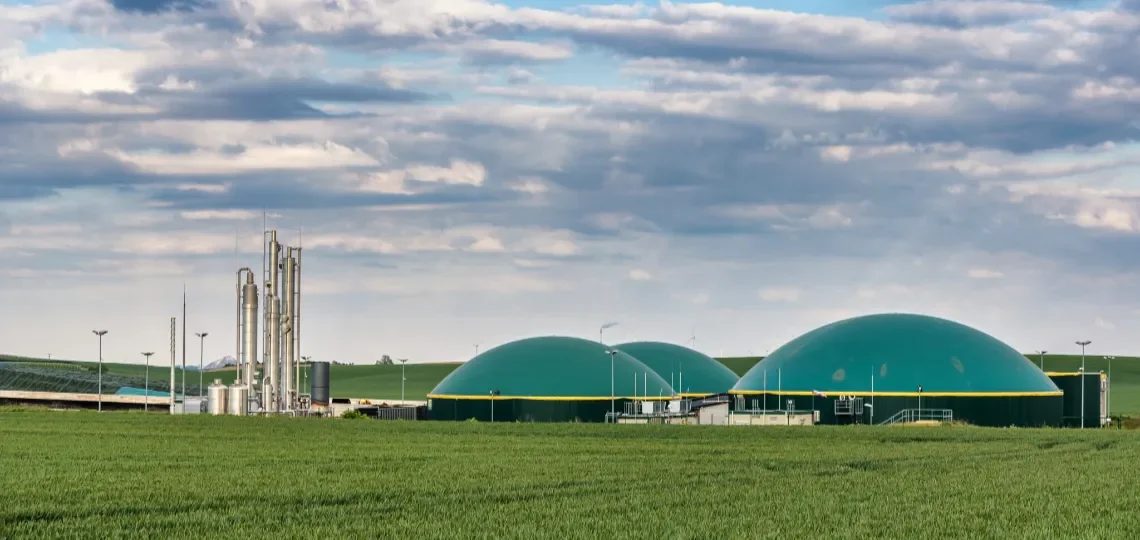
Melton Renewable Energy Threatens to Close Its Scottish Westfield Biomass Site | energynews.pro
Our Operations
6.5K views
9:06
What's Holding Back UK Renewables? | Kit Hawkins, RSK Group
E-FWD
1.1K views
8:27
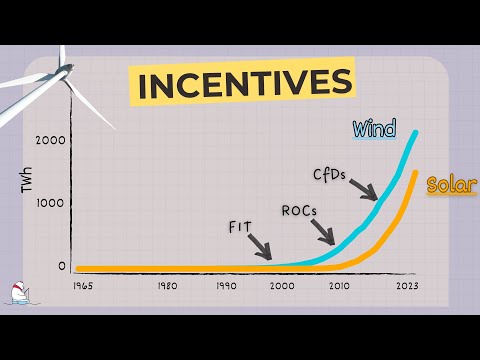
How do renewable energy incentives work?
Climate Club
299.5K views
19:47
UK Government stops farm SFI support with zero notice & ...
Harry's Farm
Images from Openverse under Creative Commons licenses. Videos from YouTube.
Voices
Curated perspectives — historical figures and your fellow readers.
Play
Exploring all sides of a story is often best achieved with Play.
Most of these play right now — no account needed. Sign up to save scores, keep a streak, and unlock Debate and Predict.
Log in
Sign Up
Higher or Lower
A number from this story, against one from elsewhere in the news — guess which is bigger, then keep the chain going. 5 rounds, 3 strikes; a miss costs a strike and resets your streak.
Example
Anchor
EU tariff revenue
$52B
Big for this kind of number
Mystery
Pentagon AI contract
?
Round 1
Streak: 0
Mystery
?
Keyboard: ↓/L lower · ↑/H higher
0 pts
Best streak: 0 · Rounds: 0
0 points — sign up to put that on the leaderboard.
Now try on this story
Connections
Sixteen names from the news. Find the four hidden groups of four. Four mistakes max.
Loading today's puzzle…
0/4 groups
Mistakes
Sign up to keep a daily streak — a new puzzle lands every day.
Now try on this story
Exit debate?
Your progress in this debate will be lost.
How it works
- 1 Two AI personas square off on this story.
- 2 You predict who'll win each round — correct picks earn XP.
- 3 One crossfire question is yours to fire. Pick it carefully.
Couldn't generate a topic
Select Your Champions
Choose one persona for each side of the debate
DEBATE TOPIC
Choose personas with different perspectives for a more dynamic debate.
SIDE A (PRO)
Select debater for this side:
No debate personas available right now.
SIDE B (CON)
Select debater for this side:
No debate personas available right now.
VS
Get ready to make your prediction...
Round of
Claim
Evidence
Stakes
Crossfire Answer
Closing Statement
Claim
Evidence
Stakes
Crossfire Answer
Closing Statement
Your Crossfire Question
Generating arguments...
Who's Got This Round?
Make your prediction before the referee scores
The referee scores both sides on
Correct predictions earn +20 XP
· Press 1 or 2 to pick
Evidence
40%
Logic
30%
Detail
20%
Style
10%
Round Results
Your Pick
Not this time
(%)
Overall Score
/10
Your Pick
Not this time
(%)
Overall Score
/10
Set the Crossfire
Pick the question both personas must answer in the final round
Crafting crossfire questions...
Choosing a question earns +10 XP crossfire bonus
🏆
Total XP Earned
Cred Change
Predictions
Debate Oracle! You called every round!
Sharp Instincts! You know your debaters!
The Coin Flip Strategist! Perfectly balanced!
The Contrarian! Bold predictions!
Inverse Genius! Try betting the opposite next time!
XP Breakdown
Base completion
+20 XP
Rounds played ( rounds x 5 XP)
+ XP
Correct predictions ( correct x 20 XP)
+ XP
Crossfire bonus
+10 XP
Accuracy
%
Prediction History
Round
You picked:
✓
✗
Now try on this story
Keep debating to level up your credibility and unlock achievements
People Involved
Organizations Involved
Melton Renewable Energy
Private company
Facing potential closure of three plants
Operator of the Thetford, Eye, and Westfield poultry-litter power stations.
Department for Energy Security and Net Zero
UK government department
Finalized decision to end small-scale biomass subsidies
The UK government department that administers the Renewables Obligation scheme.
Timeline
May 2024 September 2026
4 events
Latest: Today
Tap a bar to jump to that date
-
Melton warns of plant closures and job losses
Today CorporateCompany tells staff consultation on closures and redundancies may begin in December; TBIJ and GRILLED publish investigations.
-
Minister confirms no successor scheme for small-scale biomass
PolicyMichael Shanks writes to the energy security committee: RO support expires from 2027 through 2037 with no replacement.
-
Massachusetts Senate removes biomass from clean energy standards
LegislationParallel development in the US: Senate amendment eliminates public subsidies for wood combustion energy, affecting a proposed Springfield plant.
-
Government opens consultation on large-scale biomass transition
PolicyDESNZ begins consulting on transitional support for large-scale generators (over 100 MW), signaling separate treatment from small-scale.
Historical Context
2 moments from history that rhyme with this story — and how they unfolded.
November 2015 - October 2024
UK Coal Phase-Out (2015-2024)
The UK announced in 2015 it would close all coal-fired power stations by 2025, later tightened to 2024. Subsidies and capacity payments were progressively withdrawn, and plants closed on schedule across the decade. Ratcliffe-on-Soar, the last coal plant, shut in October 2024.
Then
No major security-of-supply failures occurred as gas and renewables filled the gap, vindicating the phase-out approach.
Now
Established a template for ending subsidies for legacy generation: announce dates far in advance, hold the line, rely on market signals for replacement.
Why this matters now
The biomass phase-out follows the coal playbook: long-notice subsidy removal, with the government betting the market absorbs the loss without reliability issues.
2015-2026
US Biomass Subsidy Battles (2015-2026)
Massachusetts and other states have spent over a decade debating whether wood-burning and biomass plants deserve clean-energy subsidies. The Massachusetts Senate in August 2026 voted to remove biomass from clean energy standards, arguing lifecycle emissions are worse than fossil fuels for some feedstocks.
Then
Proposed Springfield biomass plant lost its subsidy base, with legislators calling the vote the 'final nail in the coffin.'
Now
A cross-Atlantic convergence on biomass skepticism: governments on both sides treating small-scale biomass as high-cost, questionable-benefit generation.
Why this matters now
The UK decision and Massachusetts action reflect a shared reassessment of biomass's role in decarbonization, though the UK is more focused on cost than emissions accounting.