
Pull to refresh
Logo
Suspected drone strike sinks grain ship off Romania

Suspected drone strike sinks grain ship off Romania

Force in Play

A Turkish-owned vessel carrying Ukrainian corn went down in a NATO member's economic zone; Ukraine blames Russian drones

Yesterday: Grain ship leaves Izmail

Overview

Updated 1 hour ago

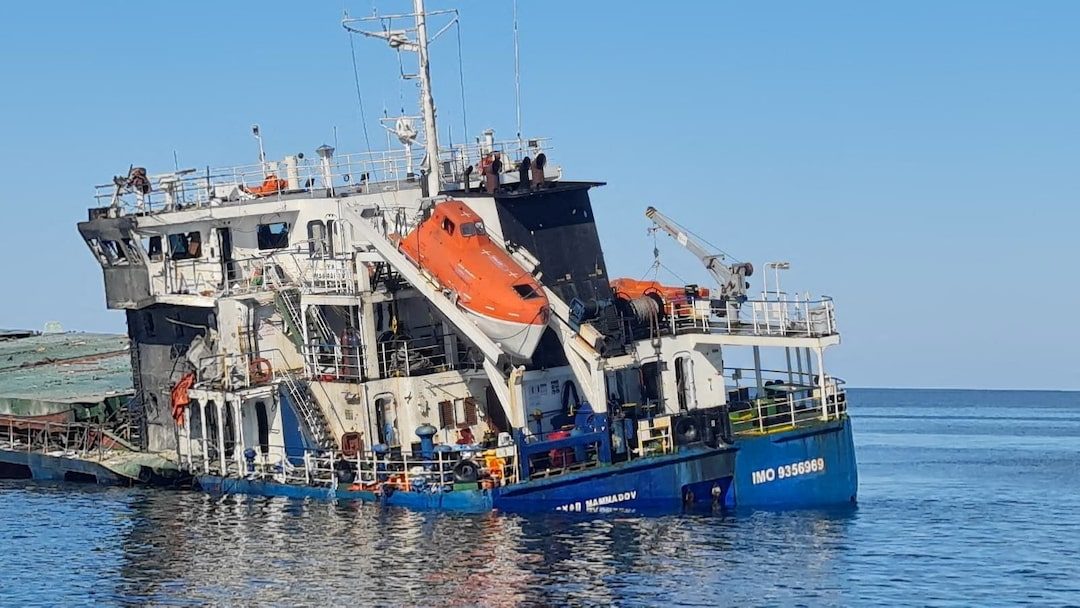
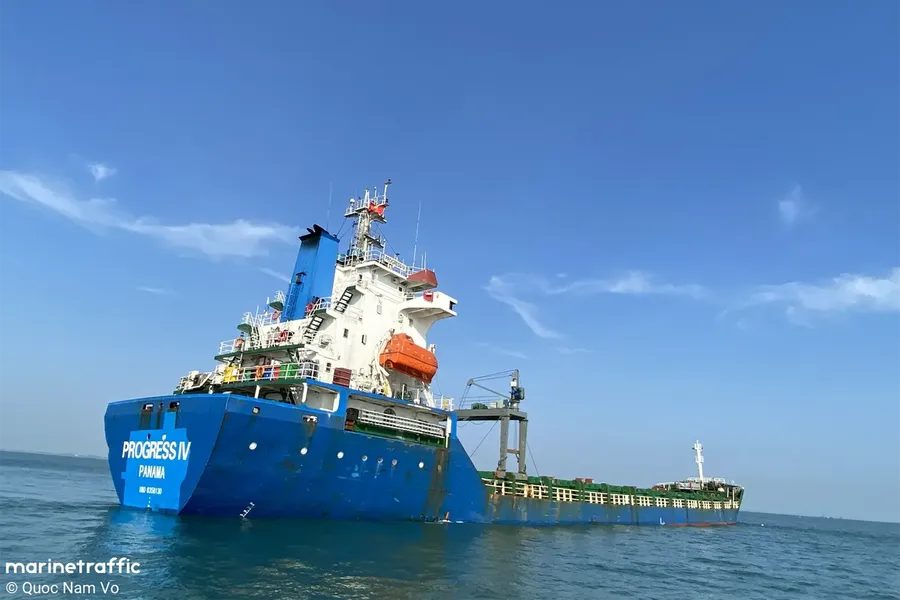
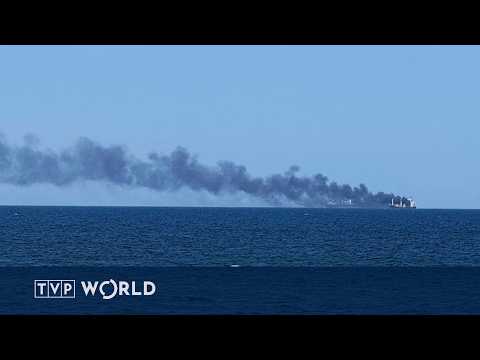
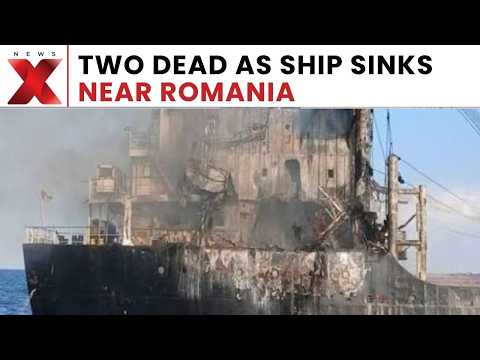
A Turkish-owned cargo ship carrying corn from Ukraine sank in the Black Sea on October 5 after being struck by drones, killing two crew members. The vessel, Royad Mammadov, went down in Romania's exclusive economic zone, roughly 55 kilometers from the coast.

Ukrainian President Volodymyr Zelenskyy blamed two Russian drones for the attack. Romanian authorities confirmed a fire and the sinking but have not determined the cause. Russia's defense ministry said it struck two cargo vessels that day.

More than 300 commercial vessels have been damaged or destroyed since the 2022 invasion, and wheat prices already sit at three-year highs. Each strike makes the corridor riskier for shippers and insurers.

Why it matters

Grain-ship attacks make Black Sea shipping more expensive and less safe, threatening a corridor that carries a quarter of world wheat.

Questions about this story

Free account needed to ask — your question is kept and asked for you right after sign-up. Answers are public.

No questions yet — be the first to ask.

Key Indicators

2
Crew members killed
Confirmed by Romania's Interior Ministry; initial reports said one dead, one missing.
11
Crew members rescued
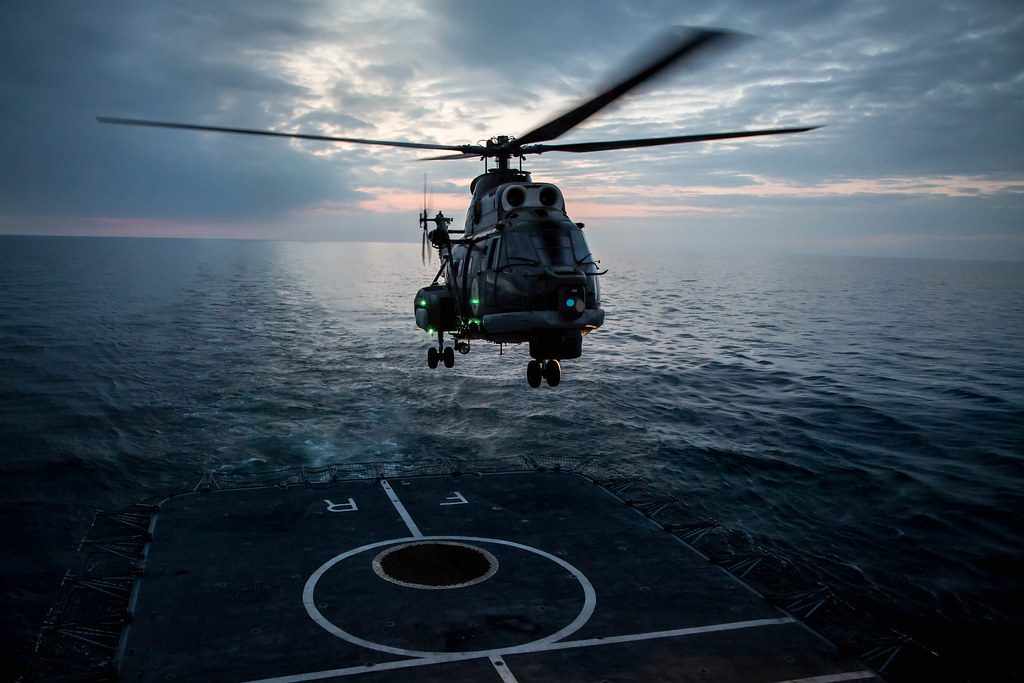
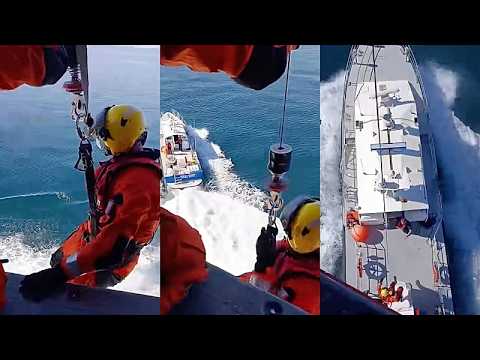
Pulled from the water by Romanian vessels and helicopters after the ship caught fire.
300+
Commercial vessels damaged or destroyed since 2022
Figure from the Ukrainian Ports Association, with attacks increasingly targeting ships serving Ukrainian ports.
~55 km
Distance from Romania's coast
About 30 nautical miles south of Sfântu Gheorghe, near OMV Petrom's Pescăruș offshore platform.

Voices

Curated perspectives — historical figures and your fellow readers.

Ever wondered what historical figures would say about today's headlines?

Sign up to generate historical perspectives on this story.

People Involved

Organizations Involved

Timeline

5 events Latest: Yesterday
Tap a bar to jump to that date
  1. Grain ship leaves Izmail

    Latest Movement

    Royad Mammadov departs Izmail, Ukraine, carrying corn for Ravenna, Italy.

  2. Romania detects airborne target near border

    Security

    Defense ministry radar spots a target east of Vylkove; NATO jets scramble.

  3. Suspected drone strike sinks ship

    Attack

    Vessel hit near Romania's Pescăruș platform, catches fire, sinks. Two dead, 11 rescued.

  4. Russia reports striking two cargo vessels

    Military

    Russian Defense Ministry daily bulletin says it struck two cargo vessels.

  5. Zelenskyy blames Russia

    Statement

    Ukrainian president blames two Russian drones; Romania confirms fire, not cause.

Scenarios

1

Russia admits strike, grain corridor contracts further

Likely Resolves by Oct 20, 2026

Discussed by: Kyiv Post and Al Jazeera analysts note the Russian Defense Ministry already claimed it struck two cargo vessels that day, making explicit acknowledgment likely.

Russia's defense ministry daily bulletin said it struck two cargo vessels on October 5, though it has not named the Royad Mammadov. If Moscow explicitly claims the vessel as a target, shipping insurers will raise war-risk premiums further and more carriers will avoid the route. Ukrainian grain exports through the corridor could drop sharply, pushing wheat prices above current three-year highs.

2

NATO moves to protect Black Sea grain shipping

Possible Resolves by End of 2026

Discussed by: Euronews and Al Jazeera note the incident fuels concerns along NATO's eastern flank; Turkey and Romania have both urged safe passage.

A civilian ship has now sunk in a NATO member's economic zone. If attacks continue, Turkey, Romania, and Bulgaria could agree to escort grain convoys or extend air defense coverage over the western Black Sea corridor. Any such mission would mark a significant expansion of NATO's military presence in the region and could draw Moscow's retaliation against the escorts themselves.

3

Turkey and UN broker a new grain corridor

Possible Resolves by End of 2026

Discussed by: Reuters and Politico report the incident complicates Turkey- and UN-led efforts to revive a grain-export ceasefire.

The sinking could pressure both Moscow and Kyiv back to the table. Turkey and the UN brokered the 2022 Black Sea Grain Initiative that Russia later abandoned in July 2023. A new agreement with security guarantees would stabilize shipping lanes and ease wheat prices, but Russia would demand concessions on its own agricultural exports that the West has so far resisted.

4

Attack triggers direct NATO-Russia confrontation

Unlikely Resolves by Oct 31, 2026

Discussed by: Al Jazeera notes the attack occurred in a NATO member's economic zone, though analysts point out NATO's Article 5 typically covers territory, not economic zones.

If a Russian drone or missile strikes a NATO vessel, an offshore platform, or Romanian territorial waters, the situation changes fundamentally. Romania has seen repeated Russian drone breaches of its airspace in recent months. A direct military exchange between NATO and Russian forces in the Black Sea remains the tail risk that neither side appears to be seeking.

Historical Context

2 moments from history that rhyme with this story — and how they unfolded.

1984-1988

Tanker War, Persian Gulf (1984-1988)

During the Iran-Iraq War, both sides attacked oil tankers in the Persian Gulf to choke each other's economies. Iran struck ships trading with Iraq; Iraq struck tankers carrying Iranian oil. Hundreds of vessels were hit over four years in a waterway carrying much of the world's oil supply.

Then

The United States launched Operation Earnest Will in 1987, reflagging Kuwaiti tankers under the American flag and escorting them through the Gulf.

Now

Attacks ended when the war ended in 1988, but the permanent US naval presence in the Gulf dates from this period.

Why this matters now

Like the Tanker War, the Black Sea strikes target commercial vessels to impose economic costs on an adversary. The precedent shows sustained attacks on neutral shipping eventually force outside powers to intervene.

July 2022 - July 2023

Black Sea Grain Initiative collapse (July 2023)

In July 2022, Russia, Ukraine, Turkey, and the UN signed the Black Sea Grain Initiative, creating a safe corridor for Ukrainian grain exports. A year later, Russia withdrew, accusing the West of failing to meet its obligations on Russian fertilizer exports, and intensified strikes on Ukrainian port infrastructure in Odesa and along the Danube.

Then

Ukraine developed alternative export routes through Danube ports and Romania; global wheat prices became more volatile.

Now

The corridor remains contested and vulnerable, with no functioning agreement protecting commercial vessels from attack.

Why this matters now

The Royad Mammadov was sailing the same corridor the 2023 deal was designed to protect, a reminder that the arrangement collapsed and nothing has replaced it.

Sources

(7)