First drug engineered to cross the blood-brain barrier wins FDA approval
New Capabilities
Denali Therapeutics' AVLAYAH validates a delivery platform that could unlock treatments for Alzheimer's, Parkinson's, and dozens of other brain diseases
Denali Therapeutics' AVLAYAH validates a delivery platform that could unlock treatments for Alzheimer's, Parkinson's, and dozens of other brain diseases
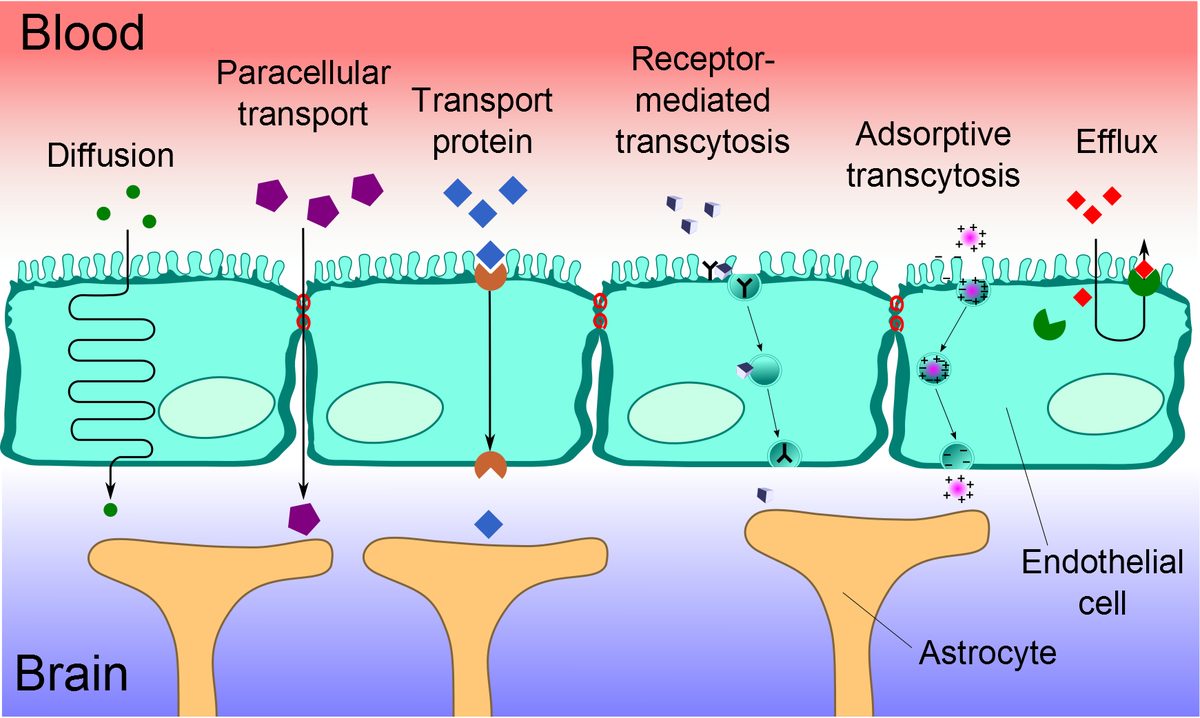
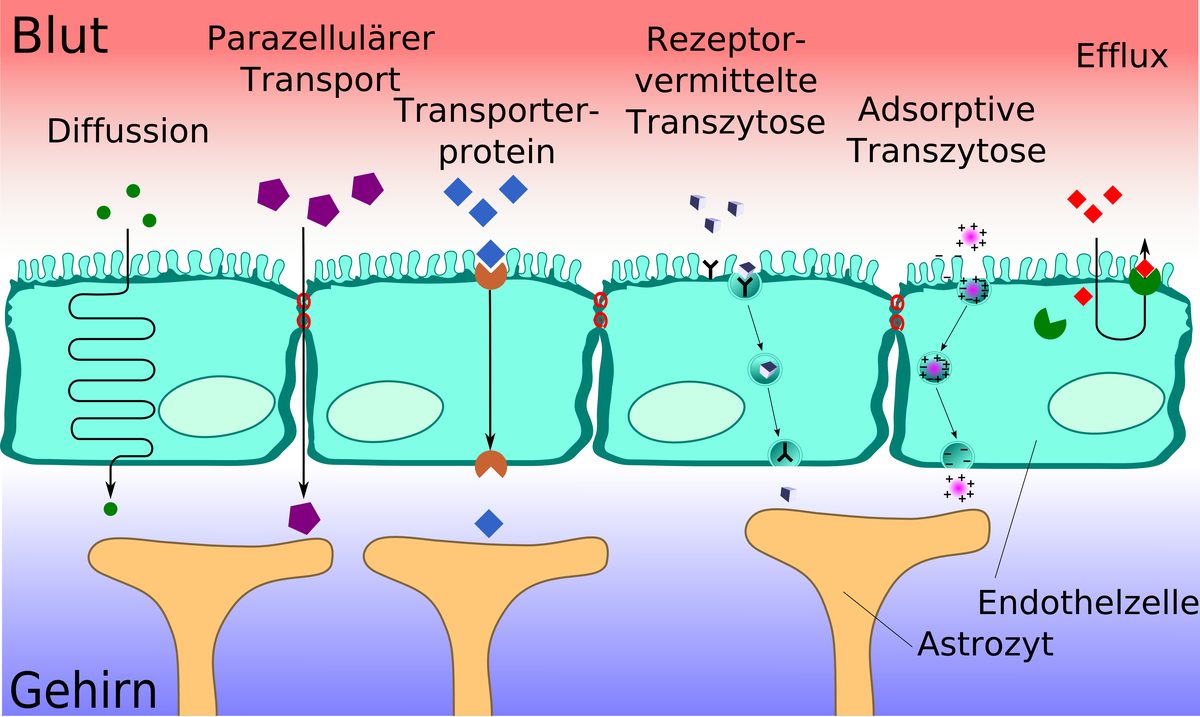
For decades, the blood-brain barrier has blocked nearly all large-molecule drugs from reaching the brain — a biological wall that left most neurological diseases effectively untreatable with modern biologics. On March 25, 2026, the FDA approved Denali Therapeutics' AVLAYAH. It's the first drug specifically engineered to cross the blood-brain barrier and deliver a therapeutic enzyme to the central nervous system after a simple intravenous infusion.
AVLAYAH treats the brain damage caused by Hunter syndrome, a rare genetic disorder that robs children of cognitive function. But the significance extends far beyond a disease that affects roughly one in 130,000 boys.
The drug's underlying delivery technology, a molecular shuttle that hijacks the brain's own iron-transport system, is already being adapted for Alzheimer's disease, Parkinson's disease, and frontotemporal dementia. If the platform works broadly, it could transform a $130 billion central nervous system drug market that has been largely confined to small-molecule pills.
Why it matters
If this delivery platform works for common brain diseases like Alzheimer's and Parkinson's, it could unlock effective treatments for hundreds of millions of patients worldwide.
Questions about this story
Free account needed to ask — your question is kept and asked for you right after sign-up. Answers are public.
No questions yet — be the first to ask.
Key Indicators
91%
Average reduction in brain biomarker
Cerebrospinal fluid heparan sulfate dropped 91% at 24 weeks, with 93% of patients reaching normal levels
98%
Drugs blocked by the blood-brain barrier
An estimated 98% of small molecules and virtually 100% of large molecules cannot cross the blood-brain barrier
20 years
Gap since last Hunter syndrome approval
The previous treatment, Elaprase, was approved in 2006 but cannot reach the brain
~$3.5B
Denali market capitalization
Denali's stock is up 56% over six months on the strength of its blood-brain barrier platform
13 events
Latest: March 25th, 2026 · 7 months ago
Showing 8 of 13
JK to step
Tap a bar to jump to that date
Jump to
March 2026
FDA approves AVLAYAH — first biologic engineered to cross the BBB
LatestRegulatory
The FDA granted accelerated approval to AVLAYAH (tividenofusp alfa-eknm) for neurologic manifestations of Hunter syndrome, making it the first FDA-approved biologic specifically designed to cross the blood-brain barrier. Continued approval depends on confirmatory trial results.
December 2025
New England Journal of Medicine publishes trial results
Publication
The New England Journal of Medicine published the full Phase 1/2 results showing 91% reduction in brain heparan sulfate and improvements in cognition, hearing, and adaptive behavior in children with Hunter syndrome.
October 2025
FDA extends AVLAYAH review timeline
Regulatory
The FDA extended its review deadline to April 5, 2026, after Denali submitted additional clinical pharmacology data — not related to efficacy or safety concerns.
September 2025
Roche launches Phase 3 of competing BBB platform for Alzheimer's
Clinical Trial
Roche initiated two Phase 3 trials of trontinemab, an anti-amyloid-beta antibody with Brain Shuttle technology, enrolling approximately 1,600 Alzheimer's patients — the first large-scale test of BBB-crossing technology in a common neurological disease.
2025
Denali submits biologics license application to FDA
Regulatory
Denali submitted its biologics license application seeking accelerated approval for tividenofusp alfa based on cerebrospinal fluid biomarker reduction.
2024
FDA grants Breakthrough Therapy designation to tividenofusp alfa
Regulatory
The FDA granted Denali's tividenofusp alfa Breakthrough Therapy, Fast Track, Rare Pediatric Disease, and Orphan Drug designations — a constellation of special statuses reflecting both the severity of unmet need and the novelty of the science.
March 2021
Japan approves first BBB-crossing drug for Hunter syndrome
Regulatory
Japan's health ministry approved pabinafusp alfa (Izcargo) by JCR Pharmaceuticals, the first systemically administered drug designed to cross the blood-brain barrier via the transferrin receptor. It used a conceptually similar but technically distinct approach from Denali's.
January 2020
Denali begins Phase 1/2 trial in children with Hunter syndrome
Clinical Trial
Denali initiated its Phase 1/2 clinical study of tividenofusp alfa in 47 pediatric patients with Hunter syndrome, testing whether the Transport Vehicle platform could deliver the missing enzyme to the brain.
May 2015
Denali Therapeutics founded with $217 million
Corporate
Three former Genentech researchers — Ryan Watts, Alexander Schuth, and Marc Tessier-Lavigne — founded Denali Therapeutics with the largest biotech Series A on record, betting that solving brain delivery was the key to treating neurological diseases.
2011
Genentech discovers low-affinity TfR binding is key
Scientific Discovery
Genentech researchers published that antibodies with lower binding affinity to the transferrin receptor paradoxically delivered more cargo to the brain, because high-affinity antibodies got trapped and degraded on the cell surface. This insight reshaped the entire field.
July 2006
FDA approves Elaprase for Hunter syndrome — but it can't reach the brain
Regulatory
The FDA approved idursulfase (Elaprase) as the first enzyme replacement therapy for Hunter syndrome. It improved liver, lung, and joint symptoms, but could not cross the blood-brain barrier, leaving the neurodegenerative component of the disease untreated.
1994
First demonstration of antibody-mediated BBB transport
Scientific Discovery
William Pardridge's lab at the University of California Los Angeles demonstrated that anti-transferrin receptor antibodies could deliver therapeutic cargo across the blood-brain barrier in rats, establishing the molecular Trojan horse concept.
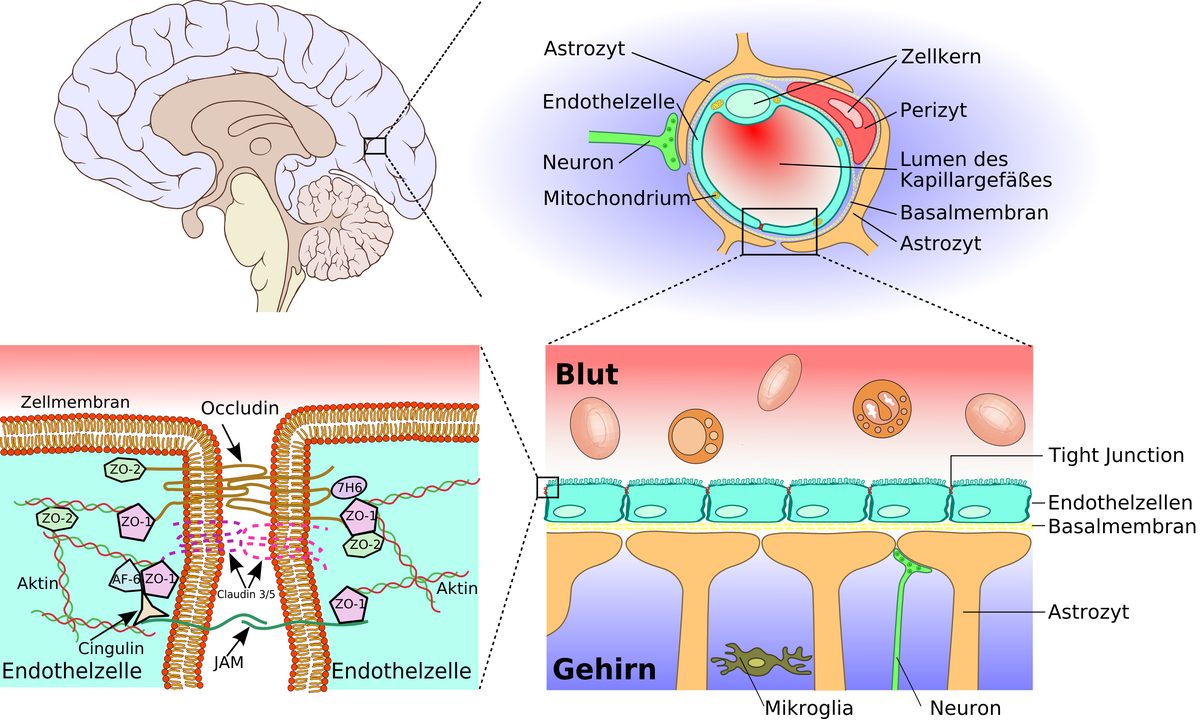
Thomas Reese and Morris Karnovsky used electron microscopy to identify tight junctions between brain endothelial cells as the structural basis of the blood-brain barrier, explaining why most drugs cannot reach the brain.
Scenarios
1
BBB platform proves broadly applicable, transforms neurology drug development
Likely
Discussed by: PharmaVoice, Goldman Sachs, Jefferies analysts, and multiple biotech industry commentators
Denali's confirmatory trial succeeds, and the Transport Vehicle platform demonstrates efficacy in additional diseases — particularly Sanfilippo syndrome (already showing strong biomarker data) and frontotemporal dementia. Roche's trontinemab Phase 3 results in Alzheimer's show the Brain Shuttle approach delivers better outcomes at lower doses than standard antibodies. By 2028-2030, BBB-crossing biologics become a standard design pattern for central nervous system drugs, analogous to how lipid nanoparticles enabled mRNA therapeutics. Multiple companies license or develop competing platforms. Denali's early pipeline advantage drives partnerships worth billions.
2
Platform works for rare diseases but struggles to scale to common neurological conditions
Possible
Discussed by: Wolfe Research analysts and academic BBB researchers
AVLAYAH succeeds commercially in Hunter syndrome and Denali expands to other lysosomal storage diseases. However, the technology proves harder to apply to complex neurodegenerative diseases like Alzheimer's and Parkinson's. The challenge: enzyme replacement in rare diseases requires getting a known protein to a known location, while Alzheimer's and Parkinson's involve poorly understood pathologies where simply delivering more antibody to the brain may not translate to clinical benefit. The platform becomes valuable but niche, not transformative.
3
Confirmatory trial disappoints, raising questions about accelerated approval
Unlikely
Discussed by: FDA advisory committee members and regulatory policy commentators who have questioned the accelerated approval pathway
The Phase 2/3 COMPASS confirmatory trial fails to demonstrate the direct clinical benefit (cognitive improvement, developmental gains) required to convert accelerated approval to full approval. Biomarker reduction does not translate to meaningful outcomes for patients. The FDA either withdraws approval or requires additional studies, reigniting the debate over whether surrogate biomarkers are sufficient for drug approvals. This would be a setback for Denali but would not necessarily invalidate the delivery technology itself.
4
Focused ultrasound and gene therapy emerge as competing BBB-crossing approaches
Possible
Discussed by: Academic researchers at Sunnybrook Research Institute, gene therapy companies including REGENXBIO and Passage Bio
Alternative approaches to crossing the blood-brain barrier — particularly focused ultrasound with microbubbles and adeno-associated virus (AAV) gene therapy vectors that naturally cross the barrier — advance rapidly and prove more practical for common diseases. The transferrin receptor shuttle approach works but faces competition from methods that are either one-time treatments (gene therapy) or more flexibly targeted (focused ultrasound). The market fragments rather than consolidating around receptor-mediated transcytosis.
Historical Context
3 moments from history that rhyme with this story — and how they unfolded.
For decades, messenger RNA was considered too fragile and immunogenic to use as a drug. The breakthrough was not the RNA itself but the delivery vehicle: lipid nanoparticles developed by Pieter Cullis at the University of British Columbia. These tiny fat bubbles protected mRNA from degradation and ferried it into cells. When COVID-19 struck, the Pfizer-BioNTech and Moderna vaccines were possible only because the delivery problem had already been solved.
Then
COVID-19 mRNA vaccines were developed in under a year, saving an estimated millions of lives.
Now
Lipid nanoparticles unlocked an entire therapeutic class. mRNA is now being developed for cancer vaccines, rare diseases, and gene editing delivery — applications that would have been impossible without the delivery platform.
Why this matters now
The blood-brain barrier is to neurological biologics what cell membranes were to mRNA: the delivery problem that, once solved, could unlock an entire class of previously impossible treatments. AVLAYAH's Transport Vehicle platform is the first validated solution.
2 of 3
1983-2024
Antibody-drug conjugates: from failure to blockbuster class (1980s-2020s)
The concept of attaching toxic chemotherapy drugs to antibodies that home in on cancer cells was proposed in the early 1980s. The first ADC, gemtuzumab ozogamicin, was approved in 2000 but withdrawn in 2010 due to safety concerns and lack of benefit. The field nearly died. Ado-trastuzumab emtansine (Kadcyla) was approved in 2013 with better linker chemistry, and by the 2020s, ADCs became one of the hottest drug classes in oncology, with over a dozen approved.
Then
Early failures led many to abandon the approach entirely.
Now
Iterative improvements in linker chemistry and payload selection eventually produced transformative cancer drugs. The ADC market reached over $10 billion by 2024.
Why this matters now
Like ADCs, blood-brain barrier delivery has taken decades of iteration — from Pardridge's 1990s concept to Genentech's affinity optimization in 2011 to Denali's first approval in 2026. The parallel warns that early validation in rare disease does not guarantee success in broader indications, but also that persistence through setbacks can yield an entirely new drug class.
3 of 3
May 2001
Imatinib transforms targeted cancer therapy (2001)
The FDA approved imatinib (Gleevec) for chronic myeloid leukemia in just 2.5 months — one of the fastest approvals in history. The drug was designed to block a specific molecular target, the BCR-ABL fusion protein, and turned a fatal cancer into a manageable chronic condition. Brian Druker at Oregon Health and Science University led the clinical development.
Then
Survival rates for chronic myeloid leukemia jumped from roughly 30% to over 90% within a decade.
Now
Imatinib proved that rationally designed drugs targeting specific molecular mechanisms could work, catalyzing the entire field of targeted cancer therapy. Dozens of kinase inhibitors followed.
Why this matters now
AVLAYAH similarly proves a rational design concept — that engineered proteins can be built to exploit a specific biological transport mechanism. If the platform generalizes as imatinib's approach did, it could spawn an entire class of brain-penetrating biologics.