
Pull to refresh
Logo
Bolivia declares national emergency as El Niño drives drought and flood risk

Bolivia declares national emergency as El Niño drives drought and flood risk

Built World

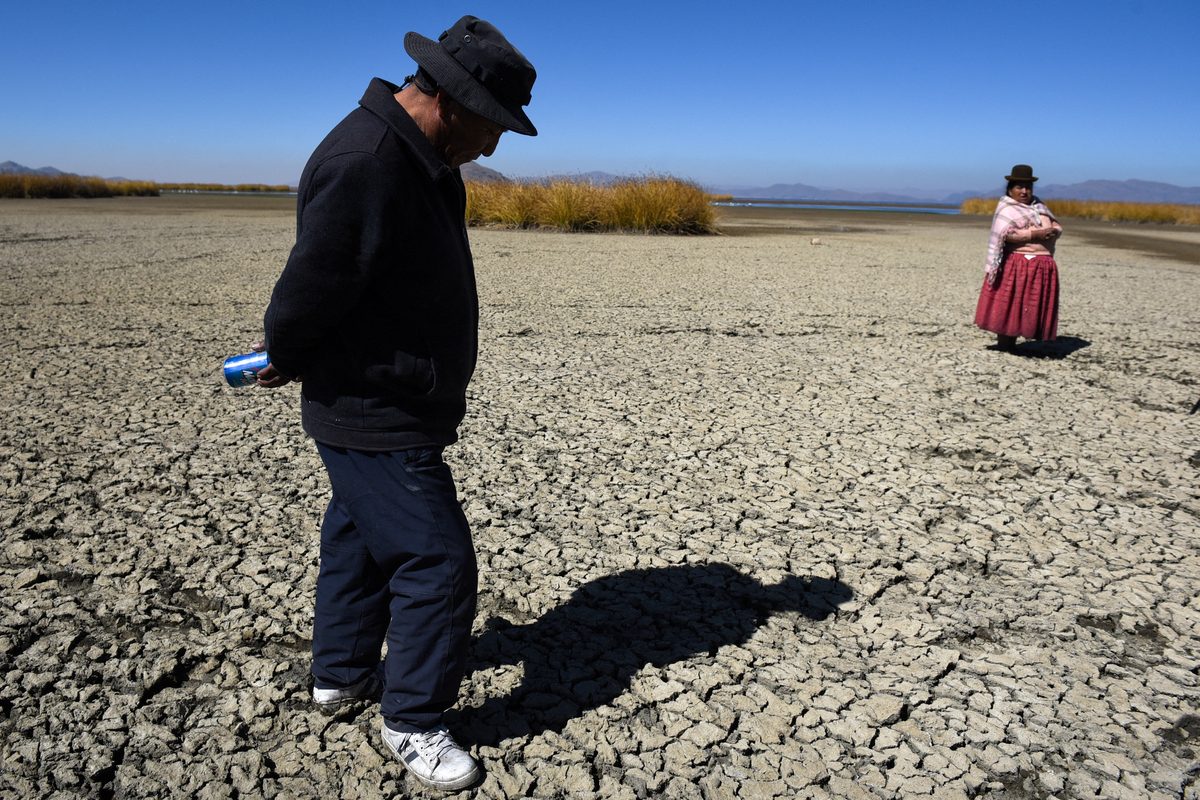
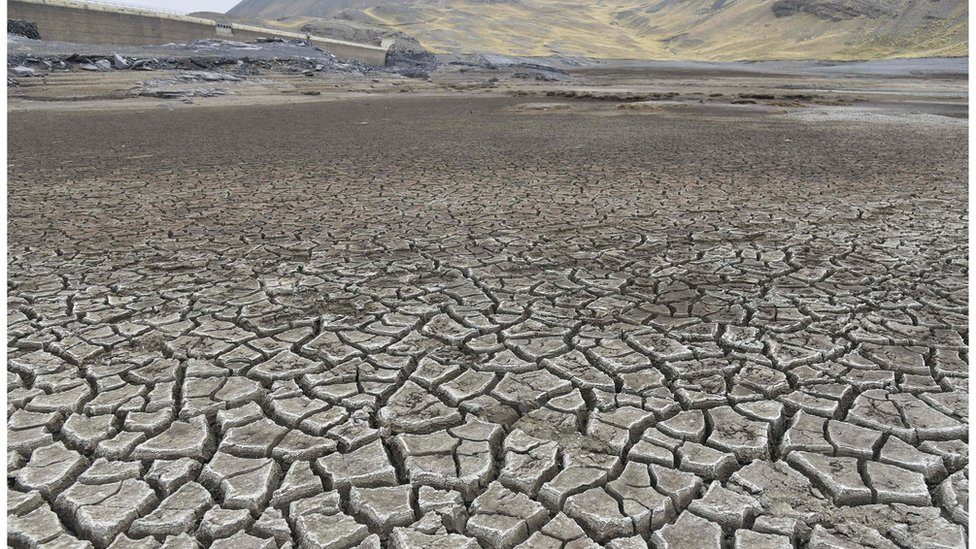
Drought has affected more than 78,000 families and killed over 75,000 cattle, with flood risk rising from November.

Overview

Updated 1 hour ago

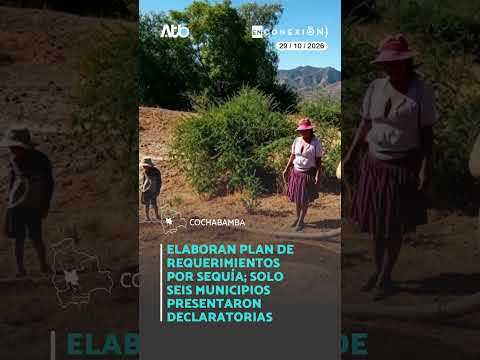
Bolivia declared a national state of emergency on 31 October after drought tied to El Niño left more than 78,000 families short of water and killed over 75,000 cattle. President Rodrigo Paz signed Supreme Decree 5759, which lets the national government coordinate ministries, regional governments and municipalities and deploy rescue teams.

The decree is a pre-positioning move as much as a response. Drought is hitting six of Bolivia's nine departments, including Potosí, La Paz, Chuquisaca, Cochabamba and Santa Cruz, while Santa Cruz, Beni and Cochabamba face flood risk from November through February. The government is also negotiating a $500 million credit with the Inter-American Development Bank for 2027.

Why it matters

Bolivia is trying to move aid before El Niño's worst months, with 917,447 cattle at risk and six departments already short of water.

Questions about this story

Free account needed to ask — your question is kept and asked for you right after sign-up. Answers are public.

No questions yet — be the first to ask.

Key Indicators

78,217
Families affected by drought
Across six of Bolivia's nine departments, according to Civil Defense data reported on 30 October 2026.
114,048
Families in drought-hit municipalities
Spread across 63 municipalities in six departments, including 35,831 families classified as damaged.
75,000+
Cattle killed by drought
Livestock losses reported by Bolivia's Vice Ministry of Civil Defense.
917,447
Cattle at risk
Animals still exposed as water and feed shortages continue.
6
Departments affected by drought
Potosí, La Paz, Chuquisaca, Cochabamba and Santa Cruz are among the hardest hit.
1,200+
Rural communities affected in western Bolivia
Communities in the altiplano have lost crops and livestock, according to the Associated Press.
100%
WMO estimate that El Niño continues through February 2027
The World Meteorological Organization reported a nearly 100 percent likelihood in early September.
$500M
IDB credit under negotiation
Bolivia is seeking the credit to assist affected families in 2027.

Voices

Curated perspectives — historical figures and your fellow readers.

Sign up to generate historical perspectives on this story.

People Involved

Organizations Involved

Timeline

June 2026 October 2026

5 events Latest: Yesterday
Tap a bar to jump to that date
  1. Paz signs Supreme Decree 5759

    Latest Government

    The decree declares a national emergency over drought and El Niño-linked flood risk and mobilizes ministries and rescue teams.

  2. CONARADE recommends national emergency

    Decision

    The coordinating council evaluated technical reports and recommended a national declaration.

  3. Civil Defense reports 78,217 families hit by drought

    Report

    More than 75,000 cattle were already dead, with 917,447 at risk.

  4. WMO puts near-100% odds on El Niño lasting through February 2027

    Climate

    The World Meteorological Organization reported a nearly 100 percent likelihood that El Niño would continue through February 2027.

  5. Current El Niño develops and strengthens

    Climate

    The climate pattern formed in June and strengthened rapidly, on course to become an exceptionally strong event.

Scenarios

1

Flooding forces evacuations in Santa Cruz or Beni

Possible Resolves by Q1 2027

Discussed by: Bolivia's Ministry of Defense and Civil Defense

The government has marked November through February as the risk window and named Santa Cruz, parts of Beni and Cochabamba as flood-prone. If heavy rains arrive, Civil Defense would move rescue teams and open shelters.

2

IDB approves $500 million credit for Bolivia's El Niño recovery

Possible Resolves by Q2 2027

Discussed by: Visión 360 and Bolivia's government

The government is negotiating a $500 million credit with the Inter-American Development Bank to assist affected families in 2027. Approval would give Bolivia funding beyond its current emergency budget.

3

Drought emergency spreads to more Bolivian departments

Unlikely Resolves by Jan 31, 2027

Discussed by: Civil Defense data reported by Infobae and Visión 360

Drought currently affects six of Bolivia's nine departments. Forecasts say the altiplano and valleys could keep missing rain while other regions get too much, so the drought zone may widen before the wet season settles.

Historical Context

2 moments from history that rhyme with this story — and how they unfolded.

December 2025

Santa Cruz floods (2025)

Floods in Bolivia's Santa Cruz region killed dozens of people in December 2025, before the current El Niño peaked. The region is low-lying and exposed to river overflows.

Then

The floods forced rescue and relief operations in one of Bolivia's most populous regions.

Now

The event showed how quickly heavy rain can overwhelm Santa Cruz, which is now bracing for more floods.

Why this matters now

It explains why Bolivia's 2026 emergency includes flood preparation even as drought is the immediate problem.

1997-1998

El Niño (1997-98)

One of the strongest El Niño events on record disrupted rainfall worldwide, bringing droughts and floods to different regions. The event showed how far one Pacific warming cycle can reach.

Then

Countries across the Pacific and the Americas dealt with crop losses, water shortages and flooding.

Now

The 1997-98 event became a benchmark for how severe a strong El Niño can be.

Why this matters now

It shows that El Niño can deliver drought and flooding at the same time, as Bolivia now expects.

Sources

(8)