

Pull to refresh
Logo
Bolivia ends diesel subsidies as Congress approves IMF loan

Bolivia ends diesel subsidies as Congress approves IMF loan

Rule Changes

Senate ratifies $1.9 billion IMF deal; President Rodrigo Paz ends diesel subsidies amid union protest threats

3 days ago: Senate ratifies loan; diesel subsidy ends

Overview

Updated Yesterday

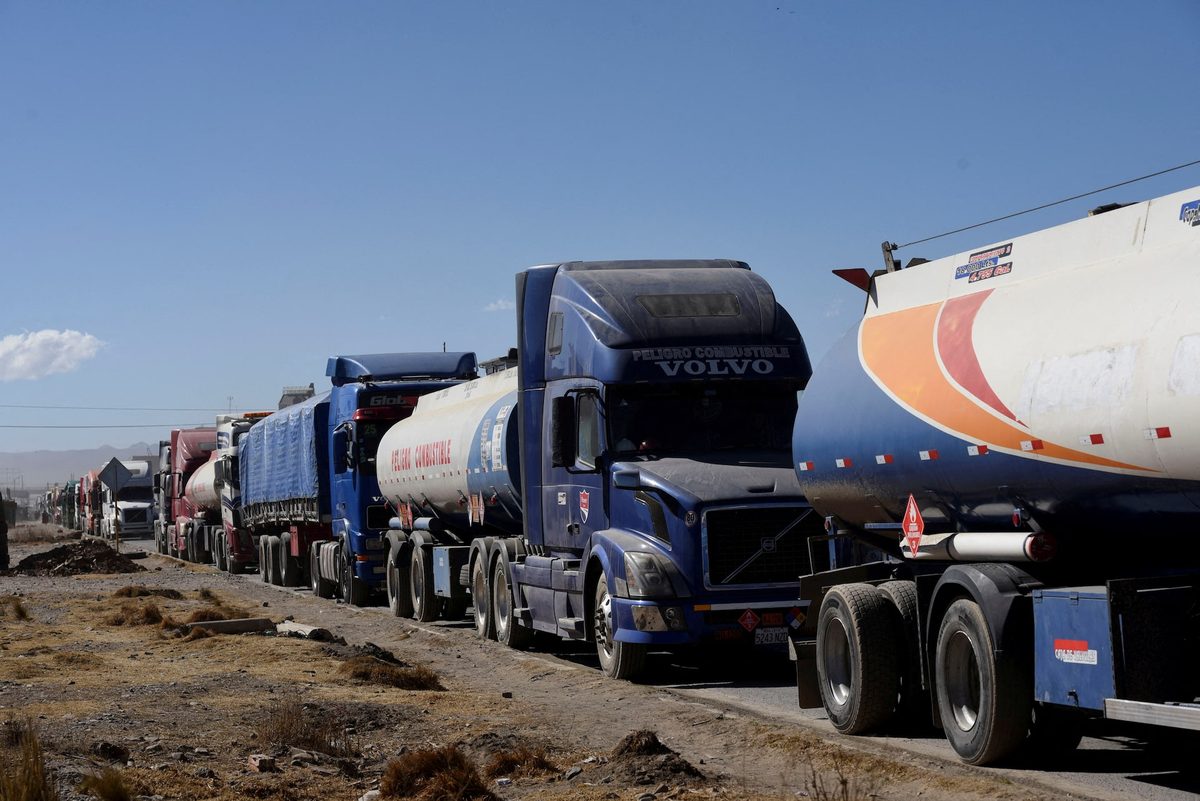
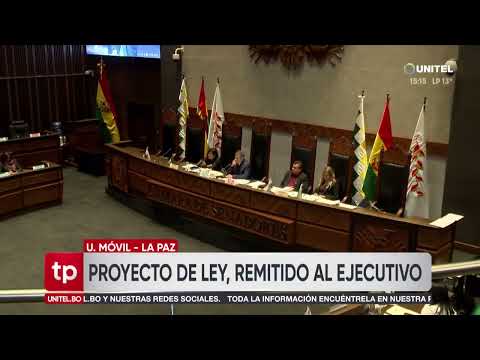
Bolivia's Senate ratified a $1.9 billion International Monetary Fund loan on Friday. Hours later, President Rodrigo Paz ended the diesel subsidy that has kept truck and bus fuel artificially cheap for years.

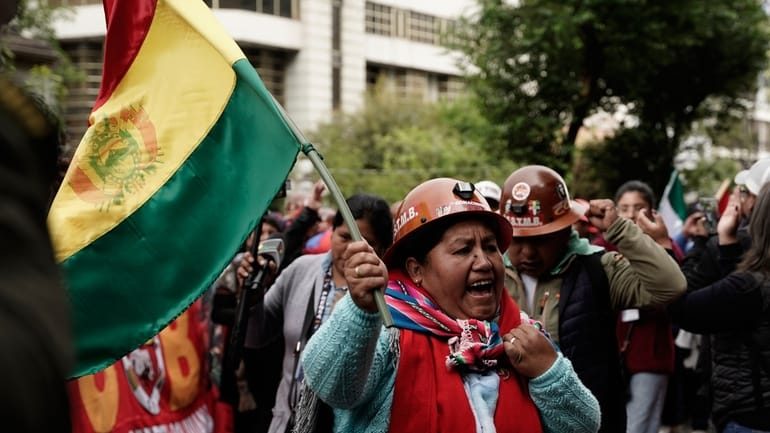
The deal reverses a pillar of nearly two decades of socialist rule. Bolivia's natural gas exports collapsed, draining the dollars needed to import fuel at world prices, and the subsidy became a hole the state could not fill. In exchange for the loan, Bolivia must cut its deficit, loosen exchange-rate controls, and end fuel subsidies — conditions unions say will raise living costs, and that have already triggered threats of renewed blockades.

Why it matters

Bolivia's subsidy removal is a test of whether Latin American governments can cut socialist-era benefits under IMF pressure without triggering regime-threatening protests.

Questions about this story

Free account needed to ask — your question is kept and asked for you right after sign-up. Answers are public.

No questions yet — be the first to ask.

Key Indicators

$1.9 billion
IMF loan approved by Congress
36-month Extended Fund Facility program, ratified by the Senate on September 18.
9.1% of GDP
Fiscal deficit (2026)
Government targets 6.4% by 2027 and 3.8% by 2028 under the program.
$52 million
Liquid international reserves
Only $52 million of $3.17 billion in net reserves was liquid when Paz took office.
2.9 million
Bolivians eligible for cash assistance
$79 million in aid to cushion the diesel price increase for low-income households.
$250 million
Expected first IMF disbursement
Slated for after the IMF executive board votes, expected on October 2.

Voices

Curated perspectives — historical figures and your fellow readers.

Ever wondered what historical figures would say about today's headlines?

Sign up to generate historical perspectives on this story.

People Involved

Organizations Involved

Timeline

January 2023 September 2026

6 events Latest: 3 days ago
Tap a bar to jump to that date
  1. Senate ratifies loan; diesel subsidy ends

    Latest Legislative

    Senate ratifies $1.9 billion IMF loan; Paz ends diesel subsidies hours later.

  2. Lower house approves loan

    Legislative

    Chamber of Deputies approves the deal; Congress extends state of emergency 90 days.

  3. Bolivia and IMF formalize agreement

    Negotiation

    Staff-level agreement signed on the 36-month Extended Fund Facility.

  4. Road blockades paralyze Bolivia

    Protest

    Weeks of blockades demand Paz's resignation; he declares a state of emergency.

  5. Rodrigo Paz takes office

    Political

    Market-friendly president ends nearly two decades of socialist rule in Bolivia.

  6. Chronic fuel shortages begin

    Crisis

    Declining natural gas exports deprive Bolivia of dollars needed to import fuel.

Scenarios

1

IMF board approves loan on schedule, austerity proceeds

Likely Resolves by Oct 2, 2026

Discussed by: Government projections, AP reporting, Economy Minister Christian Morales

The IMF executive board approves the Extended Fund Facility on October 2 as expected. The first disbursement of about $250 million arrives, Bolivia removes fuel subsidies on schedule, and reserves rebuild toward the projected $6 billion by end of 2026. Protests continue but the program holds.

2

Protests force partial reversal of subsidy cuts

Possible Resolves by Dec 16, 2026

Discussed by: Bolivian Workers' Central, Evo Morales, AP reporting

Renewed road blockades and strikes pressure the government as the state of emergency nears expiry. Paz restores some diesel price support or delays full subsidy removal, straining the IMF agreement and risking suspension of disbursements.

3

IMF delays, program stalls

Unlikely Resolves by Nov 15, 2026

Discussed by: Economy Minister Christian Morales, congressional opposition

The IMF delays final approval beyond October 2, citing unmet conditions or political instability. Without the first disbursement, fuel shortages return and the fiscal position deteriorates further, deepening the crisis.

Historical Context

3 moments from history that rhyme with this story — and how they unfolded.

August 1985

Bolivia's 1985 shock therapy

President Víctor Paz Estenssoro's 'New Economic Policy' ended hyperinflation that topped 20,000% annually. It cut public spending, lifted price controls, and froze wages, triggering strikes met with a state of siege.

Then

Inflation fell within months, but unemployment and hardship rose sharply.

Now

The stabilization became the foundation of Bolivia's economic recovery, though critics blamed it for deepening inequality.

Why this matters now

The last time Bolivia imposed shock austerity under IMF guidance, it worked economically but carried heavy social costs — the same trade-off Paz faces now.

September–October 2003

Bolivia's Gas War (2003)

Protests against plans to export natural gas through Chile shut down La Paz and blocked roads across the country. President Gonzalo Sánchez de Lozada resigned and fled to the United States after security forces killed dozens of protesters.

Then

Vice President Carlos Mesa took power and halted the gas export project.

Now

The uprising became a symbol of popular resistance to resource policy and helped build support for Evo Morales, who won the presidency in 2005.

Why this matters now

Shows how fuel and resource policy disputes can topple Bolivian presidents — a risk Paz faces as unions threaten renewed blockades.

June 2018 – 2020

Argentina's 2018 IMF program

Argentina secured a record $57 billion IMF standby arrangement amid a currency crisis and shrinking reserves. The program required deep spending cuts and deficit targets.

Then

The program failed to stabilize the peso; Argentina returned to crisis and defaulted on its debt in 2020.

Now

It became a cautionary tale about IMF programs in politically fragile economies, with austerity worsening recession before the election of a left-wing government.

Why this matters now

A failure model for Bolivia: a Latin American country that lost reserves, turned to the IMF, and still ended in default when the program could not be sustained.

Sources

(8)