

Pull to refresh
Logo
Nationalists win Bosnia's 2026 election as turnout hits record low

Nationalists win Bosnia's 2026 election as turnout hits record low

Rule Changes

First vote since Milorad Dodik's conviction tests the Dayton power-sharing system

2 days ago: Election day, record-low turnout

Overview

Updated 2 hours ago

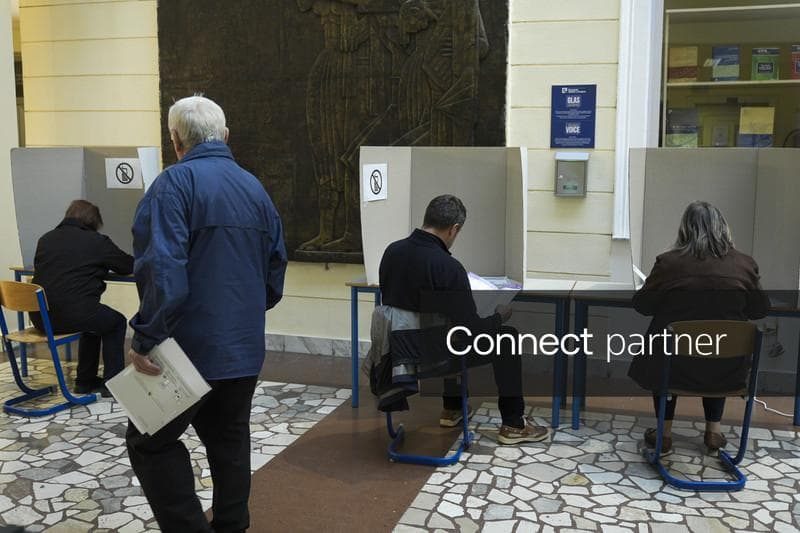
Bosnians voted on October 4 to fill the three-member state presidency, the 42-seat House of Representatives, and more than 400 regional posts. Nationalists won the top races, and turnout fell to a record-low 41.5%.

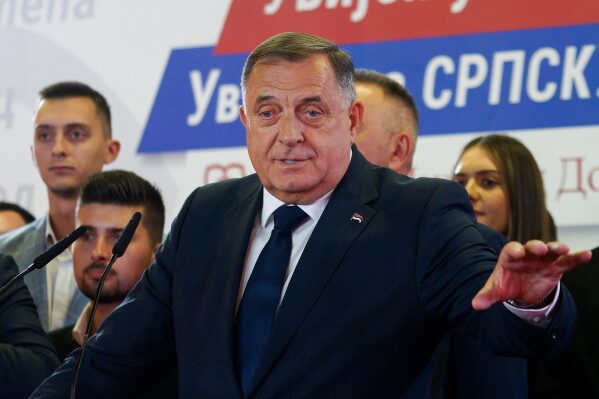
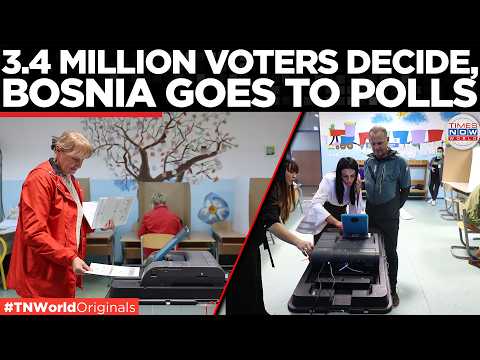
The vote is the first since Milorad Dodik, the longtime Republika Srpska leader, was convicted of defying the international peace envoy and barred from public office. It is also the first nationwide use of biometric voter ID and electronic ballot scanners.

Why it matters

The result decides whether Bosnia restarts its frozen EU accession talks or stays paralyzed by ethnic power-sharing.

Questions about this story

Free account needed to ask — your question is kept and asked for you right after sign-up. Answers are public.

No questions yet — be the first to ask.

Key Indicators

41.5%
Voter turnout
Record low, down from 51.5% in the 2022 election.
3.4 million
Registered voters
Number of Bosnians eligible to cast ballots on October 4.
518
Officials elected
Presidency, state parliament, entity assemblies, and cantonal posts combined.
55.34%
Cvijanovic share of Serb vote
Zeljka Cvijanovic's margin in the Republika Srpska Serb presidency race.

Voices

Curated perspectives — historical figures and your fellow readers.

Ever wondered what historical figures would say about today's headlines?

Sign up to generate historical perspectives on this story.

People Involved

Organizations Involved

Timeline

December 1995 October 2026

6 events Latest: 2 days ago
Tap a bar to jump to that date
  1. Election day, record-low turnout

    Latest Election

    Bosnians vote for the presidency, state parliament, and entity assemblies; turnout hits 41.5%.

  2. Nationalists lead presidency races

    Election

    With 90% tallied, Cvijanovic, Becirovic, and Filipovic lead the three presidency seats.

  3. EU approves opening accession talks

    Diplomacy

    Brussels approves membership negotiations, though talks have not started.

  4. EU grants Bosnia candidate status

    Diplomacy

    The European Union names Bosnia an official candidate country.

  5. Dayton agreement ends the war

    Treaty

    Accord ends the 1992-95 war and creates a two-entity state with ethnic power-sharing.

Scenarios

1

Same coalition returns, EU talks stay frozen

Likely Resolves by Mar 1, 2027

Discussed by: Atlantic Council analysts and Reuters reporting

The three ruling blocs of SNSD, HDZ BiH, and the Bosniak Troika form a new government. They keep nationalist dominance intact but fail to pass the judicial and anti-corruption laws the EU requires, so accession negotiations remain closed and Bosnia forfeits another €370 million in EU funding.

2

Coalition talks collapse into paralysis

Possible Resolves by Apr 1, 2027

Discussed by: Observers of past governing cycles

As in earlier cycles, the blocs cannot agree on a Council of Ministers chair. The state-level government stalls for months, and the SNSD uses the vacuum to push Republika Srpska autonomy measures, deepening the crisis the EU and High Representative warned about.

3

Reform coalition forms, EU opens accession talks

Unlikely Resolves by End of 2027

Discussed by: Atlantic Council, described as unlikely

A governing majority emerges that includes reformist parties from the Federation, pushed by domestic pressure over the forfeited EU funds. The new government passes the core accession laws, and Brussels opens the negotiations that have been frozen since 2024.

Historical Context

3 moments from history that rhyme with this story — and how they unfolded.

December 1995

Dayton Peace Agreement (1995)

The accord ended the 1992-95 war, dividing Bosnia into the Bosniak-Croat Federation and the Serb-led Republika Srpska. It created a rotating tripartite presidency and a power-sharing parliament.

Then

The war stopped, but the new constitutional system locked in ethnic quotas for top offices.

Now

Three decades later, the same two-entity structure still governs every election and coalition.

Why this matters now

The October 4 vote is run entirely under the Dayton system, with the same ethnic blocs competing for the same seats.

October 2022

Bosnia's 2022 general election

Turnout was 51.5%. The SNSD, HDZ BiH, and the Troika alliance formed the current government, while the largest single party, the Bosniak SDA, was shut out.

Then

The coalition took office but stalled on EU accession requirements.

Now

By 2026 Bosnia had forfeited €108 million in EU funds, with another €370 million at risk.

Why this matters now

The 2026 result threatens to repeat the same coalition arithmetic and the same frozen EU talks.

October 1989

Lebanon's Taif Agreement (1989)

The Taif accord ended the Lebanese Civil War by redistributing power among sectarian groups, keeping a tripartite system with a Maronite president, Sunni prime minister, and Shia speaker.

Then

The war ended, but the new balance institutionalized sectarian quotas for top offices.

Now

Lebanon later fell into repeated deadlock and paralysis as sectarian blocs could not agree on government formation.

Why this matters now

Bosnia's ethnic quotas are a close parallel: fixed seats by group can freeze politics into who blocks whom, not what gets built.

Sources

(7)