

Pull to refresh
Logo
New England's first soju distillery opens in Boston's Mission Hill

New England's first soju distillery opens in Boston's Mission Hill

Built World Boston, MA local

Namu Distilling Company makes soju, rice gin, and makgeolli in-house, along with nearly every cocktail ingredient.

Today: Namu Distilling Company opens in Mission Hill

Overview

Updated 1 hour ago

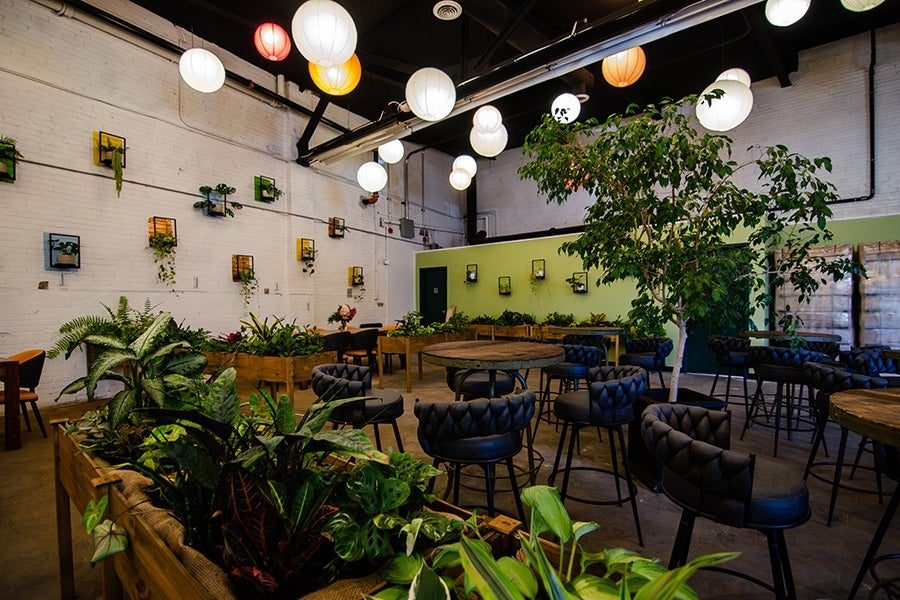
Namu Distilling Company opened in Boston's Mission Hill neighborhood on September 17, becoming New England's first soju distillery. The 89 Heath Street space is both a working distillery and a cocktail bar, run by married cofounders Will Blessing and Josh Moss, both trained chemists.

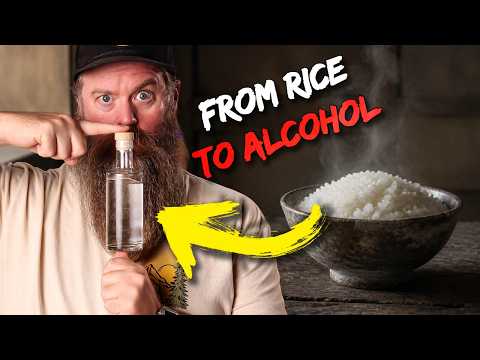
Glutinous rice ferments for two to three weeks with a Korean starter called nuruk, then goes through a copper still to become soju, gin, or makgeolli. The distillery license forbids branded spirits, so the team makes nearly every cocktail ingredient as well, from a Suze-style aperitif to apricot liqueur.

Why it matters

If Korean-American spirits find an audience, a domestic production base could grow in place of imported soju.

Questions about this story

Free account needed to ask — your question is kept and asked for you right after sign-up. Answers are public.

No questions yet — be the first to ask.

Key Indicators

1
soju distilleries in New England
Namu is the first and only one.
3
rice spirits produced on-site
Soju, fermented-rice gin, and makgeolli.
2–3 weeks
rice fermentation time before distillation
Glutinous rice ferments with nuruk, a Korean starter, before the still.
0
branded spirits allowed behind the bar
The distillery license bans other liquor brands, so nearly every cocktail ingredient is made in-house.

Voices

Curated perspectives — historical figures and your fellow readers.

Ever wondered what historical figures would say about today's headlines?

Sign up to generate historical perspectives on this story.

People Involved

Organizations Involved

Timeline

April 2026 September 2026

3 events Latest: Today
  1. Namu Distilling Company opens in Mission Hill

    Today Opening

    The distillery and cocktail bar opens to the public, serving house-made soju, gin, makgeolli, and Korean drinking snacks.

  2. Boston Magazine previews New England's first soju distillery

    Media preview

    The magazine reports the Mission Hill space will distil soju, rice gin, and makgeolli, with ingredients made in-house.

  3. Plans for Korean-American distillery surface

    Planning

    Spring 2026 (exact date not recorded): local reports say Namu Distilling plans a soju and gin distillery on Heath Street.

Scenarios

1

Namu Puts Its Spirits on New England Shelves

Possible Resolves by Sep 17, 2028

Discussed by: The founders' own plans and the Namu website, which invites bars and retail stores to carry its spirits.

The website already solicits wholesale and retail accounts, so distribution is a stated goal. If the soju and gin find an audience, the next step is selling beyond the Mission Hill bar, either through a wholesaler or direct accounts with restaurants and liquor stores across Massachusetts.

2

Namu Becomes a Mission Hill Mainstay

Likely Resolves by Sep 17, 2027

Discussed by: Boston-area food writers and the founders' stated goal of a relaxed, community-focused bar.

The founders want an unpretentious neighborhood spot with a monthly-changing menu. If foot traffic and reviews hold up, Namu keeps operating as a local cocktail bar and distillery, building a following without expanding. This is the most common path for a well-funded small hospitality business in a residential area.

3

Namu Closes Within Its First Year

Possible Resolves by Sep 17, 2027

Discussed by: General restaurant and bar failure statistics, since a large share of new hospitality businesses close within a year.

The constraints are real: a distillery license that blocks branded spirits, a single location in a residential neighborhood, and heavy capital tied up in copper stills and renovations. A slow first year, a lease dispute, or a license problem could end it.

Historical Context

3 moments from history that rhyme with this story — and how they unfolded.

1970s–1992

SakeOne and U.S. sake brewing (1992)

Sake, like soju, is a fermented rice spirit tied to one country. After an earlier Japanese-owned brewery opened in the late 1970s, SakeOne began brewing in Forest Grove, Oregon in 1992, becoming one of the first domestically produced sake brands.

Then

American-made sake found a niche in sushi restaurants and retail.

Now

It proved a 'foreign' rice spirit could be made credibly in the U.S.

Why this matters now

Soju sits at a similar early stage; Namu is testing whether Korean rice spirits can be distilled locally rather than imported.

2007–2019

American craft distillery boom (2007–2019)

Licensing changes after 2007 let small distilleries operate with lower bond and permitting hurdles. The number of U.S. craft distilleries grew from about 50 to more than 2,000, mostly making whiskey, gin, and vodka.

Then

Local distilleries became common in American cities and towns.

Now

Consumers accepted small-batch, hyper-local production as a premium.

Why this matters now

Namu extends that craft model to rice-based Korean spirits, a category most craft distilleries ignore.

November 2008

Kogi BBQ (2008)

Mark Manguera and Caroline Shin-Manguera launched Kogi, a Los Angeles taco truck fusing Korean barbecue with Mexican tortillas. Within months, Kogi's Twitter-fueled following turned Korean-Mexican food into a national phenomenon.

Then

Kogi grew from one truck into a small fleet and restaurants.

Now

Korean flavors moved from ethnic niches onto mainstream American menus.

Why this matters now

Namu is another step in the same arc, bringing Korean-American identity into spirits, a category that has lagged behind Korean food's mainstreaming.

Sources

(4)