


Pull to refresh
Logo
The Malin opens first Boston coworking location in Seaport

The Malin opens first Boston coworking location in Seaport

Built World Boston, MA local

Hospitality-driven workspace network expands to a 20,000-square-foot space at 115 Autumn Lane

Today: The Malin Seaport opens

Overview

Updated 1 hour ago

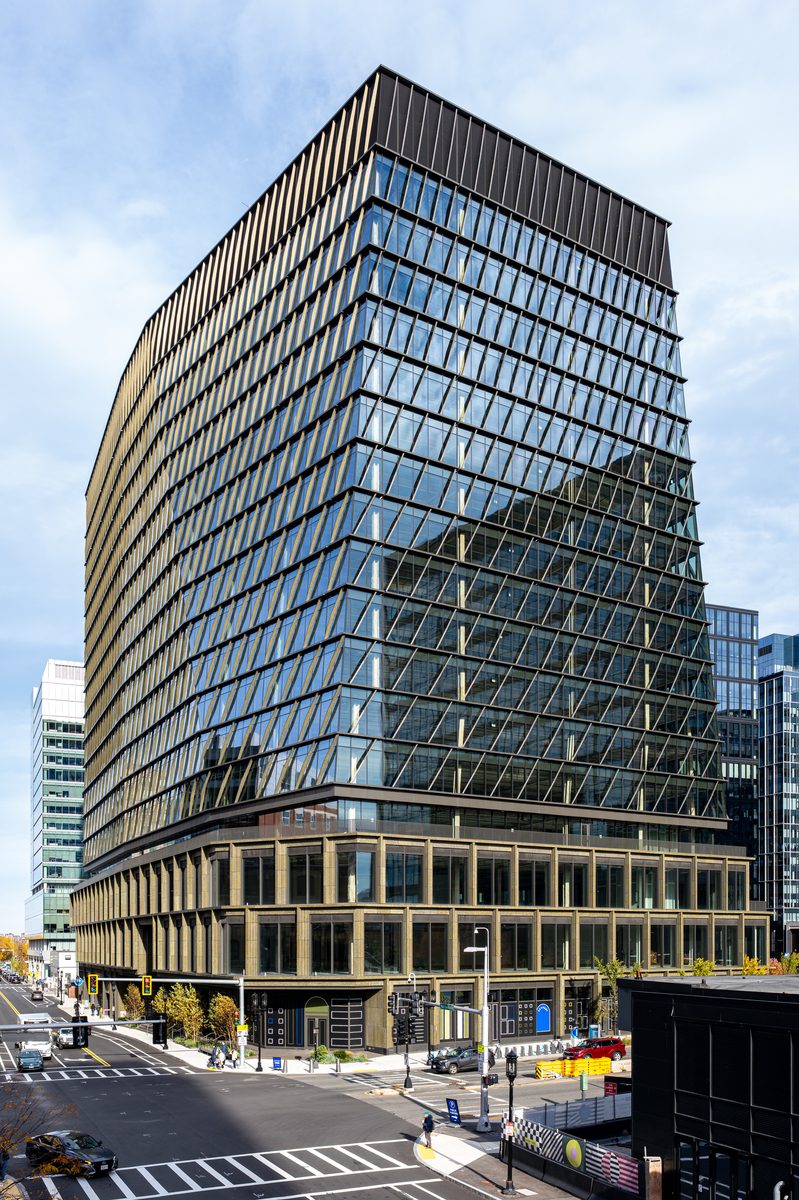
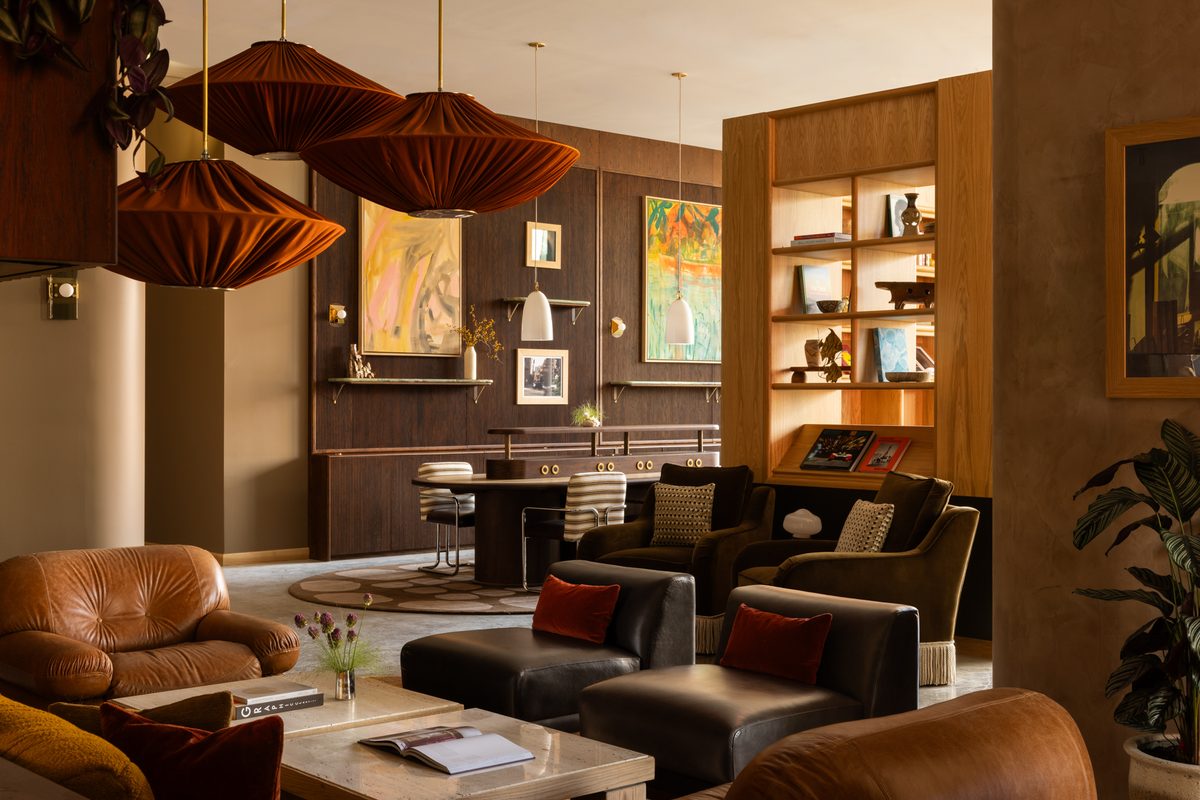
The Malin, a coworking network known for hotel-style design, opened its first Boston location in the Seaport District. The 20,000-square-foot space, on the second floor of WS Development's 115 Autumn Lane, opened Oct. 5 and includes 12 private offices, 32 dedicated desks, four meeting rooms, and a library that doubles as an event space.

The opening brings a new flexible-workspace option to one of Boston's busiest tech and startup hubs. It is The Malin's 12th location nationwide, with five more planned in New York, California, Texas and Utah.

Why it matters

Seaport workers and startups gain a design-led workspace alternative, while The Malin tests whether its hospitality model can thrive in a competitive Boston market.

Monday: what changed in Boston, MA

One short email a week with the openings, closings, permits and council votes we covered. Free. Unsubscribe in one click.

Questions about this story

Free account needed to ask — your question is kept and asked for you right after sign-up. Answers are public.

No questions yet — be the first to ask.

Key Indicators

12
Private offices
Private offices in The Malin Seaport
44
Dedicated desks
Dedicated desks in The Malin Seaport

Voices

Curated perspectives — historical figures and your fellow readers.

Ever wondered what historical figures would say about today's headlines?

Sign up to generate historical perspectives on this story.

People Involved

Organizations Involved

Timeline

2026 October 2026

3 events Latest: Today
  1. The Malin Seaport opens

    Today Opening

    The Malin opens its first Boston location with a mix of private offices, dedicated desks, and meeting rooms.

  2. Malin announces Boston Seaport location

    Announcement

    The Malin reveals plans to open its first Boston location at 111 Harbor Way, in partnership with WS Development.

  3. Construction begins on The Malin Seaport

    Construction

    Corderman & Company starts build-out of the 20,000-square-foot space, including private offices, desks, and a terrace.

Scenarios

1

Malin announces second Boston location by 2028

Possible Resolves by End of 2028

Discussed by: Analysts watching coworking expansion in the Northeast

If the Seaport location attracts steady membership, The Malin may open a second site in Cambridge or Back Bay to capture different submarkets. The company's rapid growth since 2021 suggests it moves quickly when a model works.

2

Malin Seaport closes within three years

Unlikely Resolves by Oct 11, 2029

Discussed by: Coworking industry observers recalling WeWork and The Wing failures

Hospitality-driven coworking spaces can struggle to cover high rent in prime districts if occupancy lags. If The Malin fails to fill its 12 offices and 44 desks, it could exit the lease early.

3

All planned 2026 Malin locations open by year-end

Possible Resolves by End of 2026

Discussed by: The Malin's own expansion promises

With Boston open as its 12th location, The Malin says five more are planned in New York, California, Texas and Utah, among them San Francisco and Park City. If they proceed, the company will reach both coasts.

Historical Context

2 moments from history that rhyme with this story — and how they unfolded.

2010-2023

WeWork's rise and fall (2010-2023)

WeWork expanded aggressively, offering cushy, amenity-filled workspaces backed by SoftBank. At its 2019 peak, it was valued at $47 billion, then its IPO collapsed and it filed for bankruptcy in 2023.

Then

WeWork's overexpansion and governance problems led to a valuation crash and eventual bankruptcy.

Now

The coworking industry learned that growth without profitability is fragile.

Why this matters now

The Malin's hospitality-driven model resembles WeWork's premium approach, but on a smaller scale. The cautionary tale highlights the risk of expanding too quickly.

2016-2020

The Wing's closure (2016-2020)

The Wing built a network of women-focused, design-forward coworking spaces. It grew to over a dozen locations, but the pandemic emptied offices and the company shut down in 2020.

Then

COVID-19 and financial strain forced The Wing to liquidate.

Now

Boutique coworking operators face high operating costs and dependence on membership renewal.

Why this matters now

The Malin shares The Wing's emphasis on aesthetics and community. The Wing's failure shows why such models need resilient demand and tight cost control.

Sources

(4)