
Pull to refresh
Logo
Boston to start free shuttle service linking neighborhoods to MBTA hubs

Boston to start free shuttle service linking neighborhoods to MBTA hubs

Built World Boston, MA local

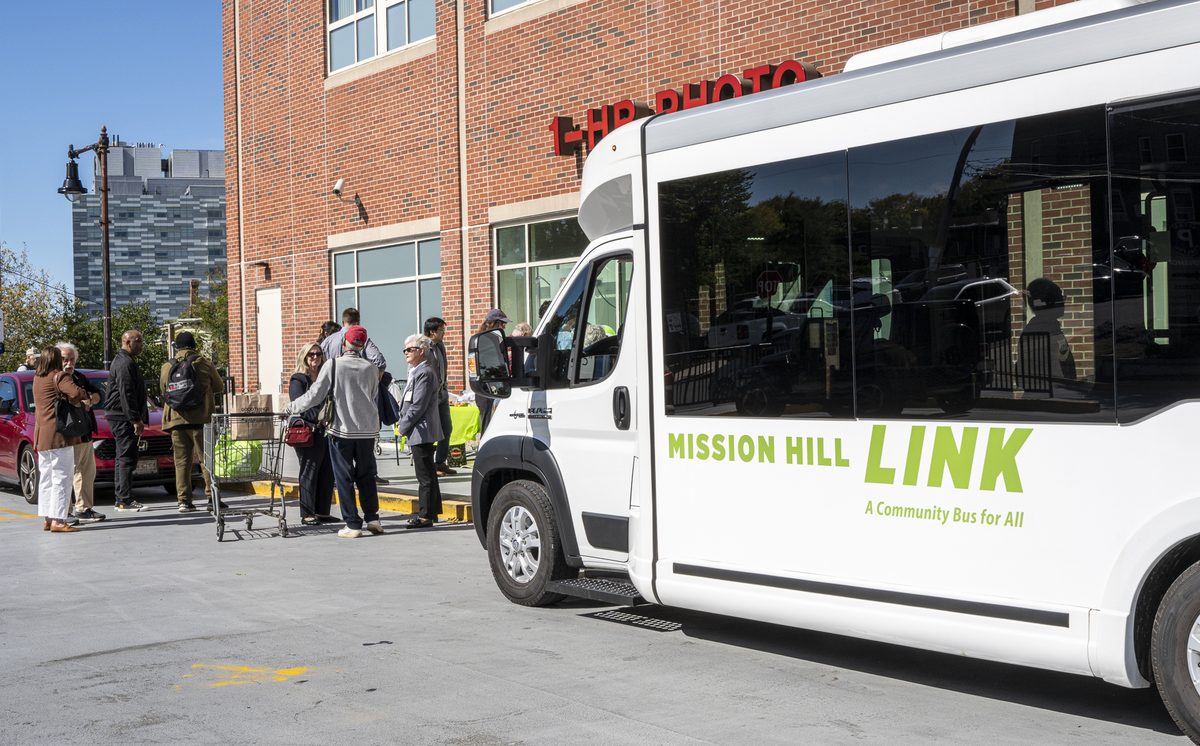
Link program expands from Mission Hill to Roxbury, Mattapan, and Charlestown with federal grant funding

Today: City announces free Link shuttle expansion

Overview

Updated 2 hours ago

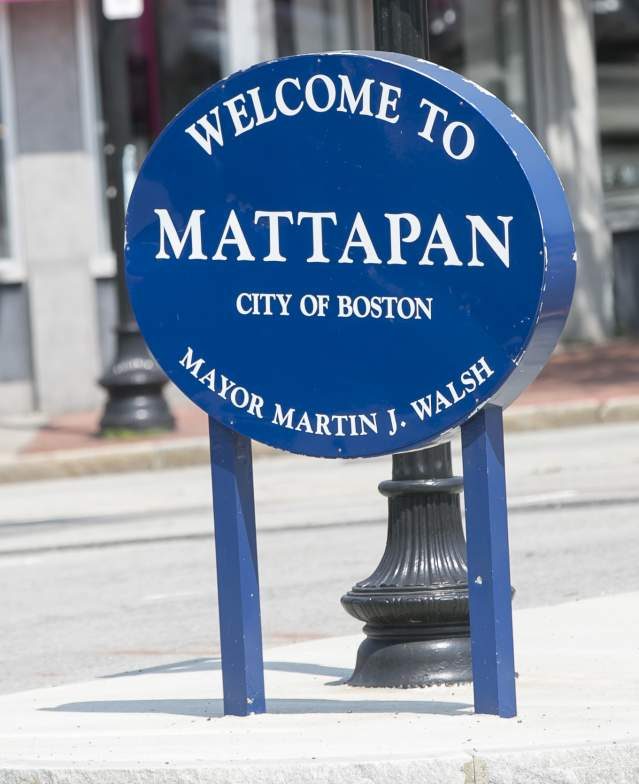
Boston will launch free shuttle service in Roxbury, Mattapan, Charlestown, and other neighborhoods by early 2027. The expansion of the city's Link program, backed by an $11.7 million federal grant, aims to connect residents who lack easy access to MBTA subway stations.

The new shuttles build on Boston's fare-free experiment on bus Routes 23, 28, and 29, which has boosted ridership in transit-dependent neighborhoods since 2022. The service targets a persistent gap: most of these areas have no subway access, and residents rely on buses for work, school, and medical appointments.

Why it matters

Boston's free-shuttle expansion shows how federal dollars can close transit gaps in underserved neighborhoods, a model other cities may follow.

Monday: what changed in Boston, MA

One short email a week with the openings, closings, permits and council votes we covered. Free. Unsubscribe in one click.

Questions about this story

Free account needed to ask — your question is kept and asked for you right after sign-up. Answers are public.

No questions yet — be the first to ask.

Key Indicators

$11.7M
Federal grant for Link shuttle expansion
Awarded through the Federal Highway Administration; the Boston Globe reported the figure as $11.5M.
5
Planned free shuttle routes
Across Roxbury, Mattapan, Charlestown, Seaport, and Allston-Brighton, per the Boston Globe.
38%
Ridership increase on Route 28 free-fare pilot
The 2021 pilot's success justified expanding free fares to Routes 23 and 29.
26%
Fare-free riders saving over $20 per month
Reported in the city's first-year evaluation of the Routes 23, 28, 29 program.

Voices

Curated perspectives — historical figures and your fellow readers.

Ever wondered what historical figures would say about today's headlines?

Sign up to generate historical perspectives on this story.

People Involved

Organizations Involved

Timeline

August 2021 December 2026

7 events Latest: Today
Tap a bar to jump to that date
  1. Fare-free Routes 23, 28, 29 scheduled to expire

    Upcoming Deadline

    Current funding for the fare-free bus program ends; no replacement money yet identified.

  2. City announces free Link shuttle expansion

    Today Policy

    Free shuttle service planned for Roxbury, Mattapan, Charlestown, Seaport, and Allston-Brighton by early 2027.

  3. Lower Mystic Link shuttle launches

    Service

    State grant funds shuttle connecting Charlestown's Bunker Hill Housing to Chelsea's Market Basket.

  4. Mayor Wu extends fare-free program two more years

    Funding

    City commits $350,000 per month in ARPA funds to keep Routes 23, 28, and 29 free.

  5. Fare-free service expands to Routes 23, 28, 29

    Policy

    Expanded pilot begins with all-door boarding; Route 28 later becomes the MBTA's most popular bus line.

  6. City Council approves $8M for fare-free expansion

    Funding

    Council votes to use federal funds to eliminate fares on Routes 23, 28, and 29 for two years.

  7. Route 28 free-fare pilot launches

    Policy

    Acting Mayor Kim Janey starts a three-month free-fare pilot on Route 28 with $500,000 in city funds.

Scenarios

1

Boston's five free shuttle routes launch on schedule

Likely Resolves by Q2 2027

Discussed by: Boston Globe, Universal Hub, City of Boston

The city finalizes the two remaining routes (Roxbury and Mattapan) through public meetings, finds operators, and launches all five shuttle routes by mid-2027. The $11.7 million federal grant covers three years of operations, with the MBTA formally supporting the proposal.

2

Fare-free Routes 23, 28, 29 extended past December 2026

Possible Resolves by Q1 2027

Discussed by: The Scope, District 7 Councilor Miniard Culpepper

With the program's federal funding expiring at year-end, the city and MBTA find new money to keep the three routes fare-free. Culpepper has proposed reallocating funds from the Blue Hill Avenue bus lane project to extend the program.

3

Boston moves toward systemwide free bus service

Unlikely Resolves by End of 2028

Discussed by: Mayor Wu's Green New Deal platform, Boston Streets Cabinet

Building on the shuttle expansion, Wu or the MBTA announces a plan to eliminate fares systemwide on MBTA buses. Wu has repeatedly said she views public transit as a public good like the library system, but the cost of systemwide free service would far exceed the current $350,000-per-month commitment.

Historical Context

2 moments from history that rhyme with this story — and how they unfolded.

December 2019 - March 2020

Kansas City becomes first major US city with zero-fare transit (2020)

In December 2019, the Kansas City Council voted to eliminate fares on its entire bus system, making it the first major US city to go fully fare-free. The program launched in March 2020, just as the pandemic hit.

Then

Ridership initially fell due to COVID-19, then rebounded as transit-critical riders returned. The city covered the lost fare revenue through its general fund.

Now

Kansas City's experiment became a national reference point for fare-free transit advocates, though some later studies questioned whether it achieved its equity goals.

Why this matters now

Boston's free-transit push follows the same logic: eliminating fares removes financial barriers for low-income riders. But Kansas City's experience shows that fare revenue must be replaced with a stable funding source.

August 2021 - November 2021

Boston's Route 28 free-fare pilot (2021)

Acting Mayor Kim Janey launched a three-month free-fare experiment on Route 28, the city's busiest bus line running from Mattapan Square to Ruggles. The $500,000 pilot aimed to ease financial strain on low-income residents during the pandemic recovery.

Then

Ridership rose 38 percent, dwell times fell 20 percent, and one in five riders saved at least $20 per month.

Now

The pilot's data directly justified Mayor Wu's expansion to Routes 23 and 29 and now the Link shuttle program, all targeting the same Mattapan-Roxbury-Dorchester corridor.

Why this matters now

The Route 28 results showed that free fares can grow ridership without slowing service — the core evidence Boston has used to justify every subsequent expansion.

Sources

(5)