


Pull to refresh
Logo
BPDA approves housing near MBTA stations in Dorchester, Brighton

BPDA approves housing near MBTA stations in Dorchester, Brighton

Built World Boston, MA local

Two projects add 62 units as Boston pushes to expand housing supply

Today: BPDA approves Brighton and Dorchester housing projects

Overview

Updated 1 hour ago

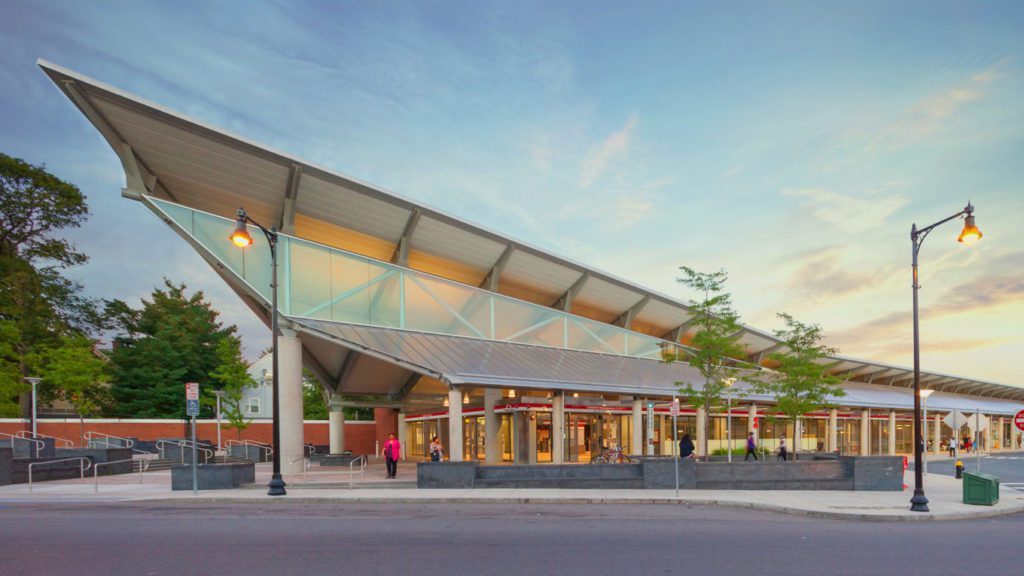
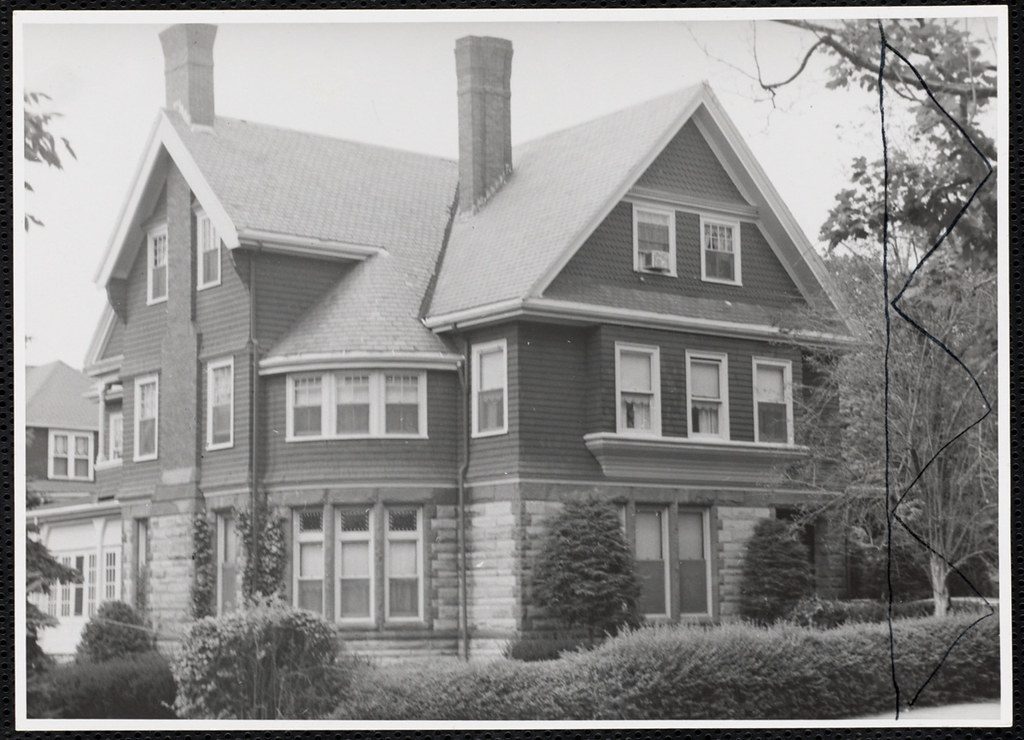
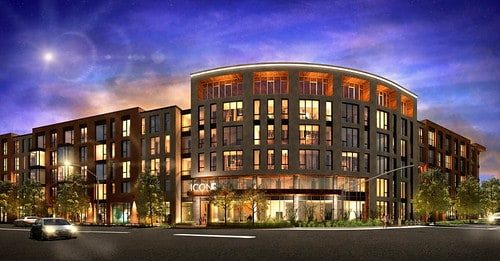
The Boston Planning & Development Agency board approved two housing projects on September 18. A Brighton commercial building will gain 42 apartments in a three-story addition, and a Dorchester project will create 20 homeownership units near the MBTA's Ashmont station.

The approvals are part of a steady stream of development decisions as Boston tries to address a housing shortage. The city needs tens of thousands of new homes, and the BPDA has been approving projects at a consistent pace, many near transit.

Why it matters

Boston's housing shortage drives up rents and prices; each approved project adds supply, but the city needs far more to meet demand.

Questions about this story

Free account needed to ask — your question is kept and asked for you right after sign-up. Answers are public.

No questions yet — be the first to ask.

Key Indicators

62
New housing units approved
42 apartments in Brighton plus 20 homeownership units in Dorchester
2
Projects approved
Brighton addition and Dorchester homeownership project
20
Homeownership units
For-sale units near Ashmont station, adding to Boston's limited for-sale inventory

Voices

Curated perspectives — historical figures and your fellow readers.

Ever wondered what historical figures would say about today's headlines?

Sign up to generate historical perspectives on this story.

People Involved

Organizations Involved

Timeline

January 2021 September 2026

2 events Latest: Today
  1. BPDA approves Brighton and Dorchester housing projects

    Today Approval

    Board approves 42 apartments in Brighton addition and 20 homeownership units near Ashmont station.

  2. Massachusetts signs MBTA Communities Act

    Legislation

    State law requires cities with MBTA service to zone for multifamily housing near transit.

Scenarios

1

Brighton and Dorchester projects break ground by 2028

Possible Resolves by Sep 18, 2028

Discussed by: Banker & Tradesman, Boston Real Estate Times

Most BPDA-approved projects eventually get built, but financing and construction costs can cause delays. If interest rates stay high, the developers may need to adjust their plans. The Brighton addition is a smaller project that may move faster, while the Dorchester homeownership project depends on the for-sale market.

2

Projects are modified or downsized

Possible Resolves by Sep 18, 2027

Discussed by: Banker & Tradesman, Boston Real Estate Times

Rising construction costs and interest rates could force the developers to reduce the number of units or change the project scope. This has happened with several Boston projects in recent years. The BPDA would need to approve any significant modification.

3

BPDA approves 3,000+ housing units in 2027

Possible Resolves by Jan 31, 2028

Discussed by: Boston Planning Department, city officials

The BPDA has been approving a steady stream of housing projects. If the pace continues, the city could add thousands of units over the next year. This would help address the housing shortage but still fall short of the estimated demand.

Historical Context

3 moments from history that rhyme with this story — and how they unfolded.

1969

Chapter 40B (1969)

Massachusetts passed Chapter 40B, allowing developers to bypass local zoning if at least 20-25% of units are income-restricted. The law was designed to overcome suburban exclusionary zoning that blocked affordable housing.

Then

Enabled thousands of affordable units to be built across the state, often over local opposition.

Now

Created ongoing tension between local control and state housing policy that continues today.

Why this matters now

Like the current BPDA approvals, 40B is a mechanism to add housing supply in the face of local resistance. It shows how state and city policies can work to overcome zoning barriers.

2004-2008

Boston's 2004-2008 housing boom

Boston added thousands of housing units during the mid-2000s boom, including many condos in the Seaport and South End. The boom was driven by easy credit and strong demand.

Then

Increased supply and stabilized prices in some neighborhoods.

Now

The 2008 crash halted construction and exposed overbuilding in some segments.

Why this matters now

Shows what rapid supply growth looks like in Boston and the risks of overbuilding. The current push is more measured but faces similar financing challenges.

1950s

The BRA's West End demolition (1950s)

The Boston Redevelopment Authority (now BPDA) demolished the West End neighborhood, displacing thousands of residents for urban renewal. The project was controversial and led to changes in how the agency operates.

Then

Cleared land for new development but destroyed a vibrant community.

Now

Created lasting distrust of the agency and led to more community engagement in development decisions.

Why this matters now

Shows the BPDA's evolution from top-down urban renewal to community-based development review. The current approvals reflect a more transparent, community-engaged process.

Sources

(4)