
Pull to refresh
Logo
Massachusetts high court orders new trial in 2014 J'ouvert killing over flawed gunshot-residue evidence

Massachusetts high court orders new trial in 2014 J'ouvert killing over flawed gunshot-residue evidence

Rule Changes Boston, MA local

SJC says two residue particles fell below the threshold for a positive test, and prosecutors never showed why they still proved guilt

Today: SJC orders new trial for Williams over GSR evidence

Overview

Updated 2 hours ago

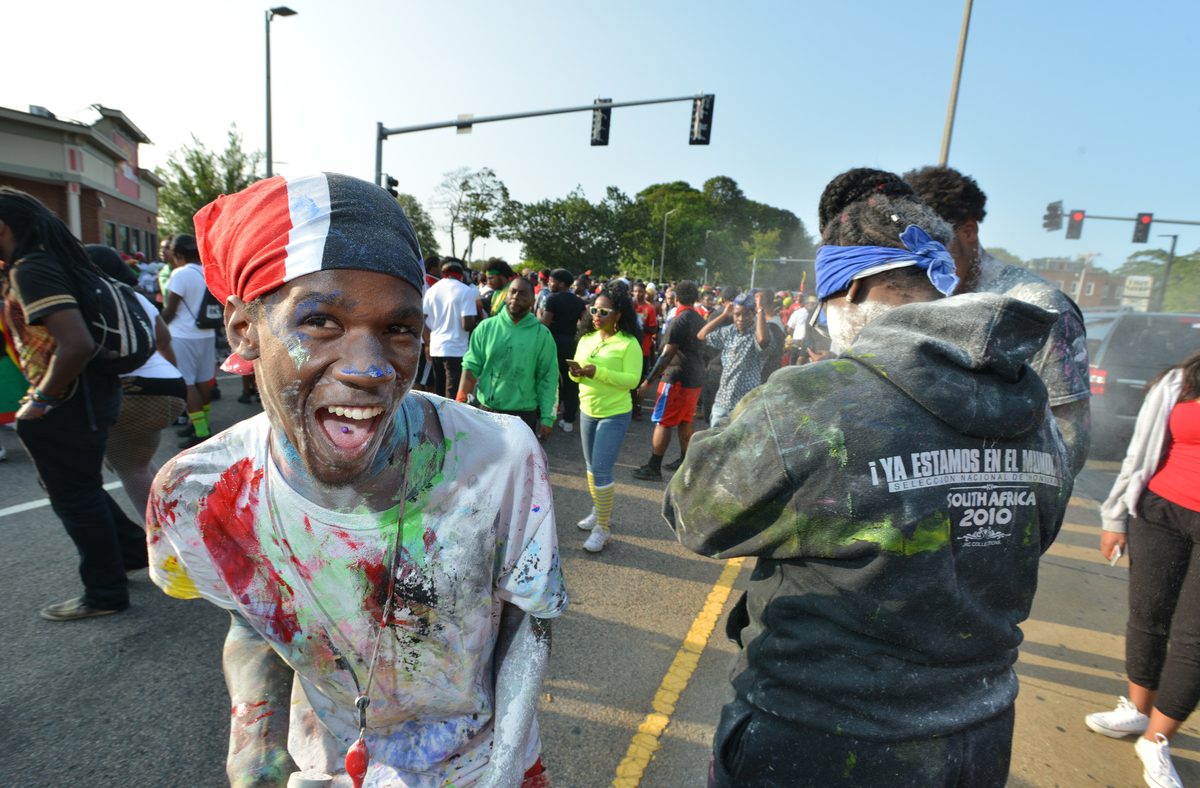
Keith Williams was convicted of first-degree murder for the 2014 shooting that killed Dawnn Jaffier during Boston's J'ouvert parade. On Tuesday, the state's highest court ordered a new trial, ruling the gunshot-residue evidence against him never met the standard for a positive test.

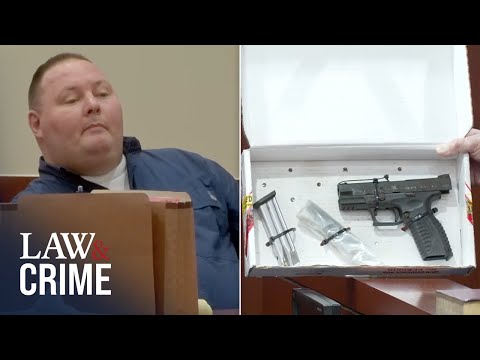
Prosecutors found two microscopic residue particles on Williams. A valid test requires three. The State Police lab technician who ran the test even called the result negative. The high court said prosecutors failed to explain why two particles still proved Williams fired the gun, and that the error was prejudicial enough to warrant a retrial.

Why it matters

The ruling restricts when Massachusetts courts can admit gunshot-residue evidence and may force prosecutors to retry cases built on sub-threshold tests.

Questions about this story

Free account needed to ask — your question is kept and asked for you right after sign-up. Answers are public.

No questions yet — be the first to ask.

Key Indicators

2
Gunshot residue particles found on Williams
Below the 3-particle minimum for a positive test
3
Particles needed for a positive GSR test
Massachusetts State Police protocol at the time of trial
2
Convictions overturned or ordered for new trial by SJC
Williams in 2026, Colas in 2021
12
Years between the shooting and the new-trial ruling
August 2014 to September 2026

Voices

Curated perspectives — historical figures and your fellow readers.

Ever wondered what historical figures would say about today's headlines?

Sign up to generate historical perspectives on this story.

People Involved

Organizations Involved

Timeline

August 2014 September 2026

5 events Latest: Today
Tap a bar to jump to that date
  1. Dawnn Jaffier fatally shot during J'ouvert celebration

    Incident

    Youth worker Dawnn Jaffier, 26, is struck in the head by gunfire during an argument between Keith Williams and Wesson Colas in Dorchester. A second woman is wounded.

Scenarios

1

Retrial convicts Williams of first-degree murder

Possible Resolves by End of 2027

Discussed by: Suffolk District Attorney's Office; the SJC's ruling notes surveillance footage shows Williams holding the murder weapon seconds after the shooting

District Attorney Kevin Hayden decides the other evidence is strong enough and retries Williams. Prosecutors lean on the surveillance video and eyewitness accounts rather than the discredited gunshot-residue testimony. The SJC has already said this evidence could support a premeditated murder conviction, so the retrial hinges on the jury's view of self-defense.

2

District attorney drops charges, Williams walks free

Unlikely Resolves by End of 2027

Discussed by: Robert F. Shaw Jr., Williams's attorney; the defense has argued the evidence was always thin and self-defense clear

Hayden's office concludes that without the gunshot-residue testimony, the case is too weak or too costly to retry. It files to dismiss the charges, and Williams is released after more than a decade in prison. The DA's office has said it is still reviewing the ruling, leaving this option open.

3

Williams pleads guilty to reduced charge, released

Possible Resolves by Q2 2028

Discussed by: Precedent set by Wesson Colas, who pleaded guilty to manslaughter in 2022 after his conviction was overturned

To avoid the risk of another life sentence, Williams accepts a plea to manslaughter or a lesser charge. He receives credit for time served and is released, mirroring exactly what Colas did after his conviction was overturned. The district attorney gets a conviction without the expense and uncertainty of a retrial.

Historical Context

3 moments from history that rhyme with this story — and how they unfolded.

1980-2012

Santae Tribble Exoneration (2012)

Santae Tribble was convicted of murder in 1980 based largely on hair microscopy and served 28 years. DNA testing in 2012 proved the hair was not his, and he was exonerated.

Then

Tribble was freed and later received compensation.

Now

His case became a symbol of how forensic testimony can fail, contributing to reform efforts.

Why this matters now

It's a reminder that when a court lets scientifically weak evidence decide a murder case, the error may surface only years later, the same pattern the SJC identified in Williams's trial.

February 2009

NAS Forensic Science Report (2009)

The National Academy of Sciences published "Strengthening Forensic Science in the United States," a landmark review finding that most forensic disciplines, including gunshot-residue analysis, lacked validated standards. The report argued that many techniques offered in court had never been scientifically tested for reliability.

Then

The report pushed courts and crime labs to reconsider how forensic evidence is admitted and validated.

Now

It became the reference point for decades of challenges to forensic evidence, including bite marks, hair microscopy, and gunshot residue.

Why this matters now

The SJC's ruling that a sub-threshold gunshot-residue result lacked a foundation echoes the report's central critique: a forensic test is only as good as its validated standard.

2015

FBI Hair Microscopy Review (2015)

The FBI and the Innocence Project reviewed hundreds of cases involving hair microscopy and found that examiners gave flawed, scientifically unsupported testimony in 268 of the 268 trials examined. The FBI acknowledged the problem and began notifying defendants, some of whom were later exonerated.

Then

The review triggered re-examinations of convictions across the country and cast doubt on a technique used for decades.

Now

It became a cautionary example of confident-sounding forensic testimony that was later discredited.

Why this matters now

Like hair analysis, gunshot-residue evidence can look definitive in court while resting on a threshold a lab itself treats as advisory. The Jaffier case shows courts are increasingly willing to revisit such testimony.

Sources

(4)

More from Boston, MA

Openings, permits and council decisions in Boston, MA, in your inbox every Monday.