
Pull to refresh
Logo
Brazil court orders probe into foreign funding of Bolsonaro campaign

Brazil court orders probe into foreign funding of Bolsonaro campaign

Rule Changes

Flávio Dino directs federal police to investigate Rockbridge Network, prediction-market ads, and platform algorithms after Lula's runoff win

Overview

Updated 1 hour ago

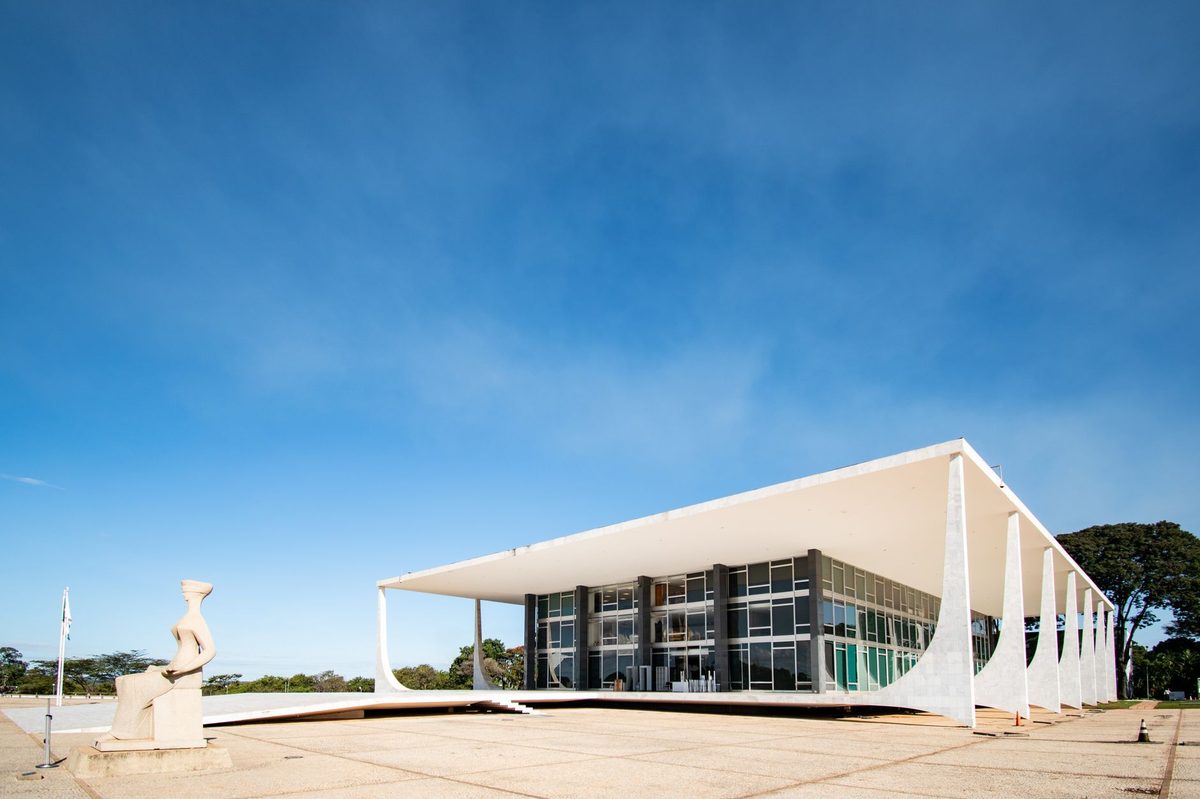
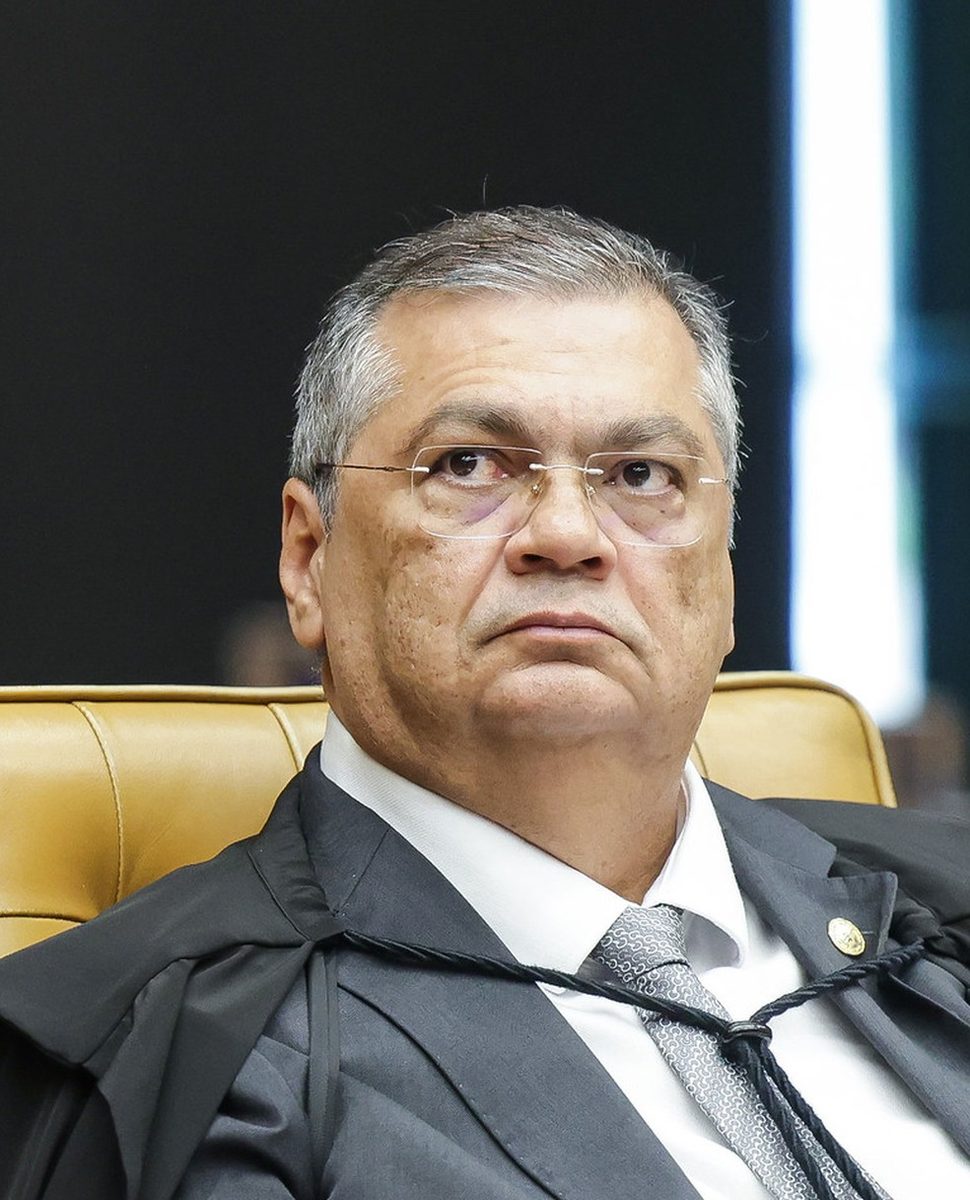
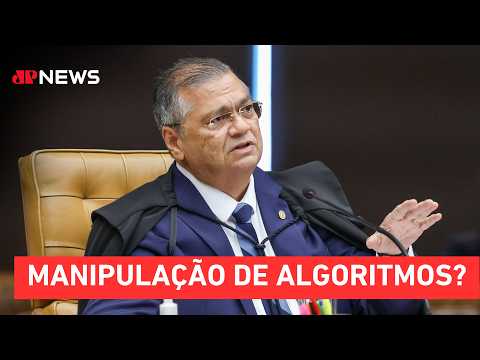
Days after Lula won re-election, Brazil's top court ordered the federal police to investigate foreign interference in the campaign. Justice Flávio Dino's order covers the 'origin, circulation and destination of foreign resources' and alleged 'deliberate asymmetries' in platform algorithms.

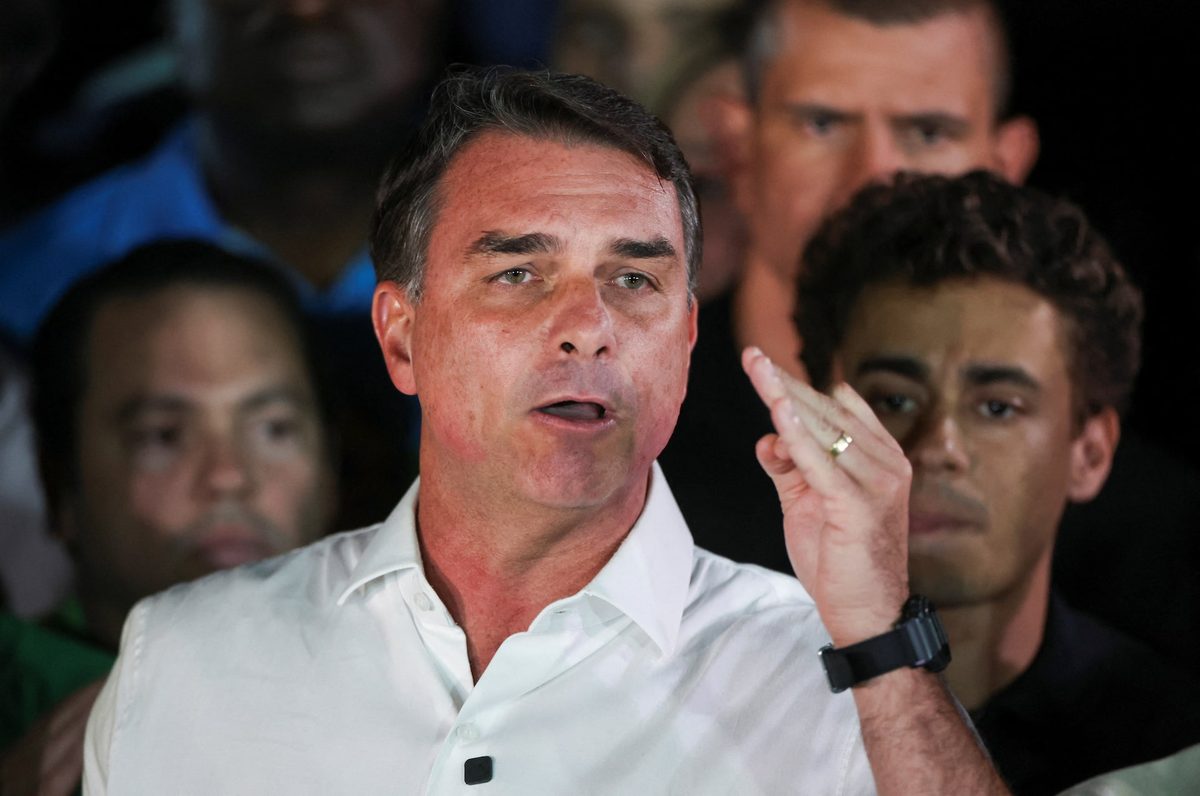
The inquiry targets Rockbridge Network, a U.S. group co-founded by Vice President JD Vance, two Brazilian businessmen, prediction-market ads, and Meta. Brazilian law bars parties from accepting money or services from foreign entities. A finding of violations would taint Flávio Bolsonaro's campaign and push Brazil toward stricter election-integrity rules.

Why it matters

The probe could determine whether foreign money and platform algorithms skewed Brazil's presidential election — and whether Bolsonaro's legal challenge gains ground.

Questions about this story

Free account needed to ask — your question is kept and asked for you right after sign-up. Answers are public.

No questions yet — be the first to ask.

Key Indicators

5
Investigation fronts in Dino's order
Covers Rockbridge talks, foreign ad payments, rare-earth ties, business contacts, and algorithm manipulation.
2
Brazilian businessmen named as intermediaries
Tallis Gomes and Pedro Sang allegedly helped arrange Rockbridge support for the campaign.
3
Foreign entities under scrutiny
Rockbridge Network, Polymarket-linked advertising, and Meta.

Voices

Curated perspectives — historical figures and your fellow readers.

Sign up to generate historical perspectives on this story.

People Involved

Organizations Involved

Timeline

4 events Latest: Yesterday
Tap a bar to jump to that date
  1. Lula wins re-election, Bolsonaro refuses to concede

    Election

    Lula defeated Flávio Bolsonaro in the runoff; Bolsonaro vowed legal challenge and didn't concede.

Scenarios

1

Charges filed in foreign-financing probe

Possible Resolves by End of 2027

Discussed by: Bloomberg and the Washington Post, which first reported the Rockbridge-Vance link

If the federal police trace money, services, or other benefits from Rockbridge or its intermediaries to Bolsonaro's campaign, prosecutors can charge individuals with illegal foreign financing. The mandate's rare-earth front lets investigators test whether political support was tied to economic interests in Brazil's critical minerals. Charges would not change who won, but they would damage Bolsonaro's party and feed his legal challenge narrative.

2

Probe closes without charges

Uncertain Resolves by End of 2027

Discussed by: Bolsonaro's campaign and Tallis Gomes, who deny wrongdoing

The inquiry could end with no charges if investigators find the business contacts and foreign ads were lawful or too thin to prove. Gomes has said he held no Rockbridge role and never mediated funds. If the probe clears the campaign, Bolsonaro's denials gain weight and the story fades without reaching court.

3

Platforms sanctioned for algorithm manipulation

Unlikely Resolves by Q2 2027

Discussed by: Lula's campaign and Brazil's electoral court

The algorithmic front could yield sanctions against Meta if evidence shows 'deliberate asymmetries' favoring Bolsonaro. Brazil's electoral court had already ordered Meta not to interfere after Lula's campaign complained its content was suppressed. A finding could bring fines, new platform rules, or formal election-integrity obligations for tech companies in Brazil.

Historical Context

3 moments from history that rhyme with this story — and how they unfolded.

October 2018

2018 Brazil WhatsApp campaign financing (October 2018)

Days before the 2018 runoff, Folha de S.Paulo reported that businessmen had secretly financed bulk WhatsApp message blasts backing Jair Bolsonaro. Brazil's electoral court opened probes into off-book 'caixa dois' digital campaigning; WhatsApp refused to hand over message data, citing encryption.

Then

The episode opened litigation and sparked debate over platform transparency in Brazilian elections.

Now

It established the pattern of hidden digital money in Bolsonaro campaigns and deepened scrutiny of unregulated campaign messaging.

Why this matters now

Now the son Flávio faces the same question — hidden money in a campaign — this time with foreign actors and a linked U.S. network in play.

May 2017 – April 2019

Mueller Russia investigation (May 2017–April 2019)

Special counsel Robert Mueller spent two years investigating Russian interference in the 2016 U.S. election and whether the Trump campaign coordinated with Moscow. His team documented a sweeping Russian influence operation and numerous contacts between the campaign and Russians.

Then

The final report found no criminal conspiracy between the campaign and Russia, though it detailed interference and obstruction questions.

Now

Convictions came on other counts, and the probe left lasting partisan disagreement over what it proved.

Why this matters now

A case study in how a broad, politically charged foreign-interference inquiry runs: exhaustive documentation, few convictions on the headline charge, and bitter argument over the findings.

March 2018

Cambridge Analytica / Facebook data scandal (March 2018)

A whistleblower revealed that Cambridge Analytica harvested data from tens of millions of Facebook users and worked for the 2016 Trump campaign. Regulators and parliaments on both sides of the Atlantic opened investigations into opaque data use and microtargeting in elections.

Then

Cambridge Analytica shut down; Facebook paid a record $5 billion U.S. Federal Trade Commission fine in 2019 and overhauled data practices.

Now

It set the template for probing how platforms and data firms shape elections.

Why this matters now

The same lens Brazil now applies to Meta's algorithms and foreign-funded ads — whether platform behavior gave one candidate an unfair edge.

Sources

(11)