


Pull to refresh
Logo
Brazil's Senate approves spending-curb package, sending it to the lower house

Brazil's Senate approves spending-curb package, sending it to the lower house

Rule Changes

The bill caps real spending growth at 2% and trims tax breaks, but most of its savings depend on revenue that may not arrive

Overview

Updated 42 minutes ago

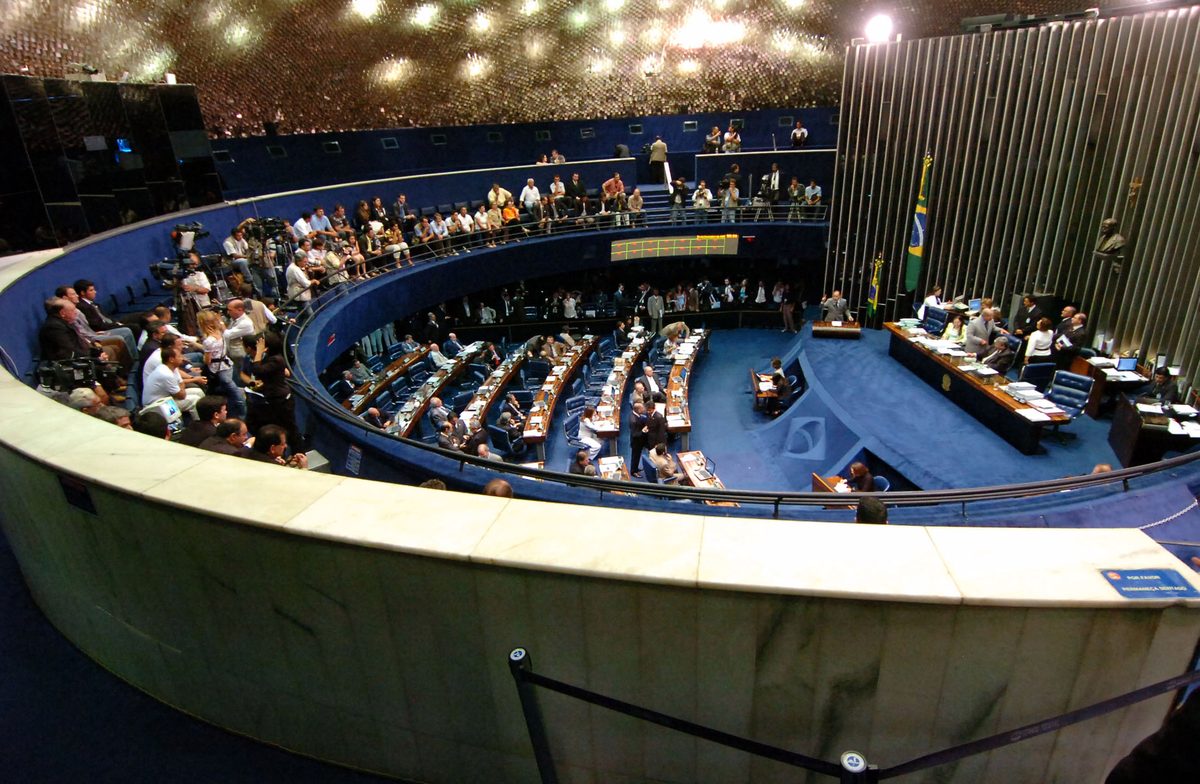
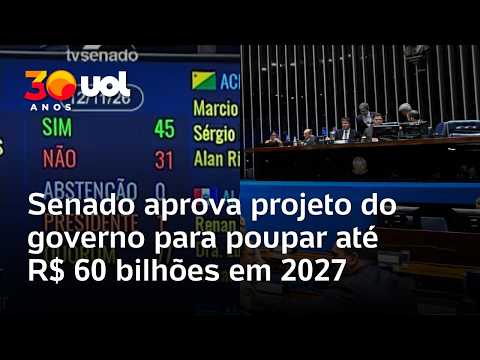
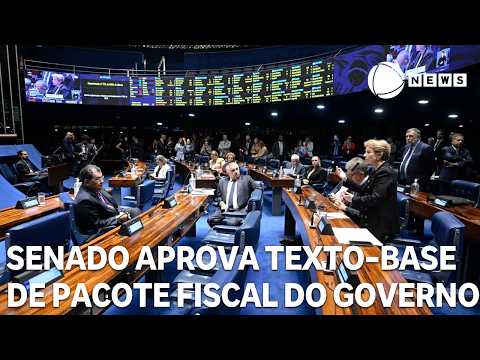
Brazil's Senate passed a fiscal package on November 18 that the government says is needed to hit its 2027 budget targets. The bill lets the executive block more spending, caps real spending growth at 2% a year when targets are at risk, and cuts tax breaks. It now goes to the Chamber of Deputies.

The pressure behind it is debt: gross public debt rose more than 11 percentage points of GDP during Lula's 2023-2027 term, to 82.9%. The real is down about 15% since Lula's late-October election win, and long-dated bond yields rose on the day of the vote. The Senate's own fiscal institute says about 70% of the package's estimated savings depends on revenue that may not arrive.

Why it matters

Brazil's debt path sets its interest rates, its currency and what it can spend. This package trims the path; it does not bend it.

Questions about this story

Free account needed to ask — your question is kept and asked for you right after sign-up. Answers are public.

No questions yet — be the first to ask.

Key Indicators

R$56.1B
Maximum 2027 primary-result gain from the package
Upper end of the Senate fiscal institute's estimate; the government puts the figure at up to R$60 billion.
82.9%
Gross public debt as a share of GDP
Up more than 11 percentage points during Lula's 2023-2027 term.
70%
Share of the adjustment that depends on revenue
The fiscal institute counts only R$19.5 billion of the revenue gains as potentially recurring.
2%
Cap on real annual spending growth
Applies from 2027 in years when the government must freeze spending; the current framework allows 2.5%.
8%
Share of 2027 spending under discretionary control
Everything else is mandatory spending the executive cannot freely cut.
118%
BTG Pactual's projected gross debt by 2034
Against 121% of GDP without the package, the bank estimates.

Voices

Curated perspectives — historical figures and your fellow readers.

Sign up to generate historical perspectives on this story.

People Involved

Organizations Involved

Timeline

October 2026 November 2026

5 events Latest: Today
Tap a bar to jump to that date
  1. Fiscal institute says 70% of savings depends on uncertain revenue

    Today Analysis

    The IFI reports the package leaves R$20.1 billion of new 2027 spending uncovered, and that discretionary spending could fall below the level needed for public services.

  2. Government says package will give markets certainty

    Today Statement

    Economist Bruno Moretti says the point is that economic agents have confidence in the fiscal path.

  3. Senate approves the fiscal package

    Legislative

    The bill passes with a 2% real spending cap, new blocking powers and tax-break cuts. The real closes down 1.5% against the dollar.

  4. Senate vote slips as government hunts for support

    Legislative

    The government fails to secure backing for a Tuesday vote, then gives up a larger share of transfers owed to states.

  5. Lula wins a new term, and the real starts to slide

    Election

    Lula beats Senator Flavio Bolsonaro in the late-October election. The currency has weakened about 15% since.

Scenarios

1

Chamber passes the package largely intact and Lula signs it

Likely Resolves by Jan 31, 2027

Discussed by: The government's economic team, which treats the bill as essential to the 2027 target

The Chamber approves the text with limited changes, preserving the 2% real spending cap and the new blocking powers, and Lula sanctions it. The tax measures take effect on staggered dates, with the 90-day-rule taxes starting in the fourth month after publication and corporate income tax changes from January 1, 2027.

2

Chamber strips the revenue measures, shrinking the adjustment

Possible Resolves by Jan 31, 2027

Discussed by: The IFI, which flags that roughly 70% of the package's effect depends on revenue

Deputies remove or delay the restriction on tax-credit compensation or the higher presumed-profit base, cutting the package's savings toward the low end of the R$45.1 billion to R$56.1 billion range. The spending cap survives; the money to fund new spending does not.

3

Supreme Court strikes down the presumed-profit tax increase

Uncertain Resolves by End of 2027

Discussed by: The IFI, which notes direct constitutional challenges are already pending at the STF

The court rules the expanded presumed-profit base for companies with revenue above R$5 million a year unconstitutional. That removes the largest potentially recurring saving in the package, leaving the adjustment resting on one-off credit compensation and temporary transfer limits.

4

Brazil misses the 2027 primary surplus target

Possible Resolves by Q1 2028

Discussed by: BTG Pactual, whose pre-package forecast was a primary deficit of 0.14% of GDP

Revenue falls short of the contested measures, mandatory spending keeps expanding, and the official 2027 primary result lands below the 0.5%-of-GDP surplus target. Debt stays on the path BTG projects toward 118% of GDP by 2034.

Historical Context

2 moments from history that rhyme with this story — and how they unfolded.

2015-2016

Brazil's 2015 adjustment and credit downgrade

After the 2014 election, the government raised taxes and cut spending to repair a budget gap hidden by accounting delays. Rating agency Standard & Poor's cut Brazil below investment grade in September 2015. The economy entered its deepest recession in decades.

Then

Confidence did not return on the announcement of austerity; the currency and markets kept sliding.

Now

The recession and the political crisis led to President Dilma Rousseff's impeachment in 2016, and fiscal rules were repeatedly rewritten afterward.

Why this matters now

The current government faces the same test: whether a modest adjustment, announced under market pressure, is enough to change the debt path.

2021

Brazil's 2021 precatórios amendment

Congress changed the constitutional spending cap to make room for court-ordered payments and a new welfare program ahead of the 2022 election. Investors sold Brazilian assets, and the government redesigned its welfare program outside the normal budget process.

Then

The manoeuvre bought a year of spending room and cost credibility with investors.

Now

The cap was replaced in 2023 by the current fiscal framework, whose 2.5% real spending-growth ceiling this package now tightens to 2%.

Why this matters now

Brazil has repeatedly rewritten its fiscal rules to fit spending plans. That history explains why analysts treat a R$56 billion package as a first step rather than a fix.

Sources

(10)