
Pull to refresh
Logo
Federal newborn essentials program goes nationwide, starting with West Virginia

Federal newborn essentials program goes nationwide, starting with West Virginia

New Capabilities

The Newborn Essentials Support Toolkit builds on a pilot that delivered 18,000 supply kits to families in 15 states

2 days ago: NEST launches in West Virginia

Overview

Updated 2 hours ago

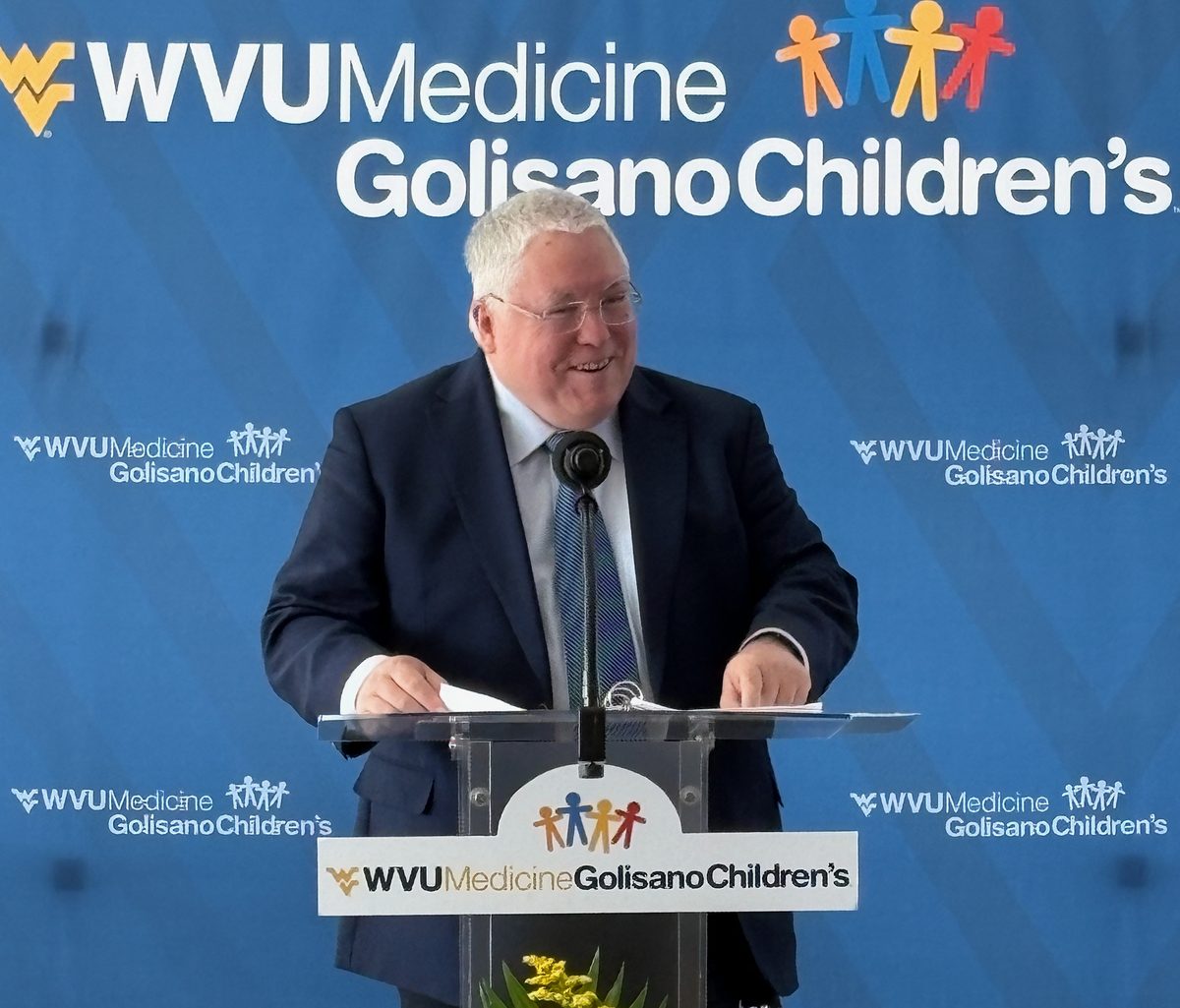
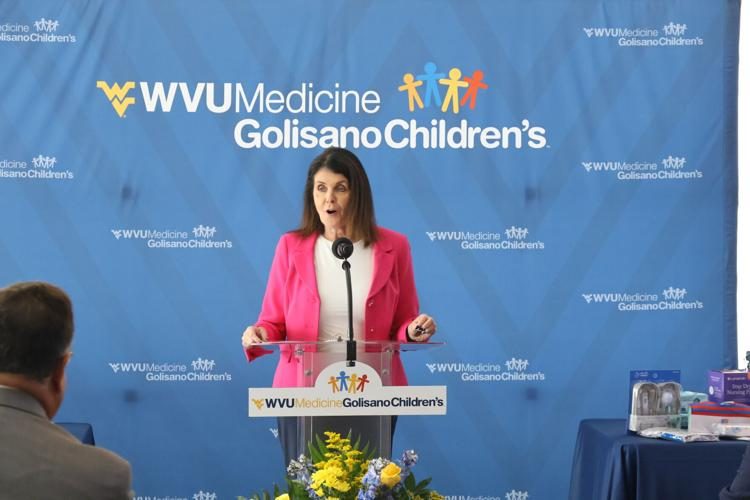
New mothers in West Virginia are the first to receive free newborn essentials kits under a national program expansion. The kits, part of HHS's Newborn Essentials Support Toolkit (NEST), include diapers, wipes, postpartum recovery supplies, a blood pressure monitor, and educational materials.

The program targets rural communities and maternal care deserts, where distance and cost often block access to basic supplies. In the 2024 pilot evaluation, 99% of recipients said they would recommend the kit to another new parent, and 72% reported reduced financial stress.

Why it matters

Free newborn supply kits now reach underserved U.S. families, cutting financial stress and connecting new mothers to resources they may not have known about.

Questions about this story

Free account needed to ask — your question is kept and asked for you right after sign-up. Answers are public.

No questions yet — be the first to ask.

Key Indicators

2,000
Kits in West Virginia first phase
Approximate number of NEST kits for West Virginia families in the initial rollout.
$5M
HRSA funding to CDC Foundation
Congressional funding awarded through HRSA for NEST implementation, running through September 2027.
99%
Recipient recommendation rate
Share of 2024 pilot recipients who said they would recommend the kit to another new parent.
18,000
Kits in pilot phase
Kits distributed across 15 states during the 2023 pilot, from Alabama to Virginia.

Voices

Curated perspectives — historical figures and your fellow readers.

Ever wondered what historical figures would say about today's headlines?

Sign up to generate historical perspectives on this story.

People Involved

Organizations Involved

Timeline

2023 October 2026

5 events Latest: 2 days ago
Tap a bar to jump to that date
  1. NEST launches in West Virginia

    Latest Launch

    Program launches at WVU Medicine Golisano Children's Hospital with roughly 2,000 kits in the first phase.

  2. HRSA award period begins

    Funding

    Discretionary demonstration award to CDC Foundation runs through September 29, 2027.

  3. Congress funds NEST continuation

    Funding

    Congressional funding supports the expanded program; HRSA awards $5 million to CDC Foundation.

  4. Pilot evaluation shows strong results

    Evaluation

    99% of recipients would recommend the kit; 76% report reduced anxiety; 72% report reduced financial stress.

  5. HHS launches Newborn Supply Kit pilot

    Launch

    Pilot distributes 18,000 kits across 15 states through hospitals, health centers, and nonprofits.

Scenarios

1

NEST expands to 10 or more states by late 2027

Likely Resolves by Oct 9, 2027

Discussed by: HHS program officials and CDC Foundation leadership

West Virginia serves as the template. HHS plans to replicate the distribution model through hospitals, federally qualified health centers, and community partners. The public-private funding structure, with the CDC Foundation managing federal dollars and private donors supplementing, supports scaling to additional states.

2

NEST expansion stalls on logistics and rural reach

Possible Resolves by Oct 9, 2027

Discussed by: Rural health analysts and program observers

Distribution depends on hospital and health center partners in rural areas. Transportation barriers, staffing constraints, and hospital closures in maternal care deserts could slow rollout. The $5 million award covers just one year, so the program needs new appropriations to continue past September 2027.

3

NEST becomes a permanent federal maternal health program

Possible Resolves by Oct 9, 2028

Discussed by: Policy observers tracking maternal health legislation

If evaluations continue to show strong outcomes, Congress could fund NEST as a standing program with annual appropriations, similar to other federal maternal-child health programs. The NEST Act and positive pilot data give the program a legislative foundation.

Historical Context

3 moments from history that rhyme with this story — and how they unfolded.

2017-2018

Scotland's Baby Box (2017)

Scotland introduced a universal baby box program, giving every newborn a box of essentials including clothing, a mattress, books, and parenting information. The rollout began in 2017 and reached all newborns within a year.

Then

The boxes became a recognized part of Scottish maternity care and a source of national pride.

Now

The program continues as a permanent feature, credited with reducing infant mortality and supporting early childhood development.

Why this matters now

Shows how a government supply program for newborns can become a permanent, popular fixture with public support.

1972-1974

WIC program goes from pilot to permanent (1972-1974)

The Special Supplemental Nutrition Program for Women, Infants, and Children (WIC) began as a pilot in 1972, providing food and nutritional education to low-income pregnant women and young children. Congress made it permanent in 1974.

Then

The pilot's success drove rapid expansion to all states within a few years.

Now

WIC became a permanent federal program serving millions of women and children each year.

Why this matters now

NEST follows the same trajectory: pilot, positive evaluation, congressional funding, and potential permanent status.

2011-2026

Baby2Baby nonprofit distribution model (2011-present)

Baby2Baby, a nonprofit founded in 2011, distributes diapers, clothing, and other essentials to families in need. It served as the pilot-phase distribution partner for the Newborn Supply Kit, helping reach families across 15 states.

Then

Baby2Baby's logistics model helped the pilot reach families through hospitals and community organizations.

Now

The partnership demonstrated how nonprofit distribution infrastructure can scale federal supply programs.

Why this matters now

NEST's current structure replicates this model, with Cribs for Kids handling West Virginia distribution.

Sources

(8)