

Pull to refresh
Logo
Integrated home-visit package improves growth and development in babies born small

Integrated home-visit package improves growth and development in babies born small

New Capabilities

Delhi trial of health, nutrition, stimulation, and psychosocial support cuts stunting, anemia, and death

Today: Trial report appears in current JAMA issue

Overview

Updated 1 hour ago

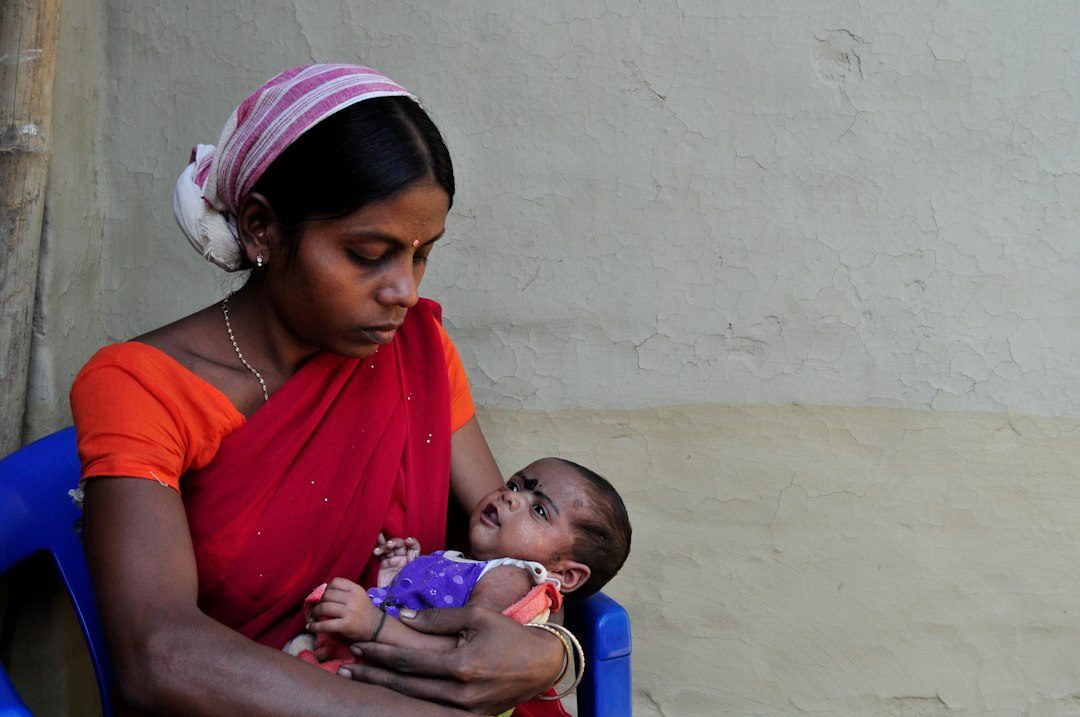
About 23 million babies are born small for gestational age every year, smaller than expected for their weeks of pregnancy. They carry higher risks of stunting, developmental delay, and death in early childhood. A Delhi trial asked whether early help could change that.

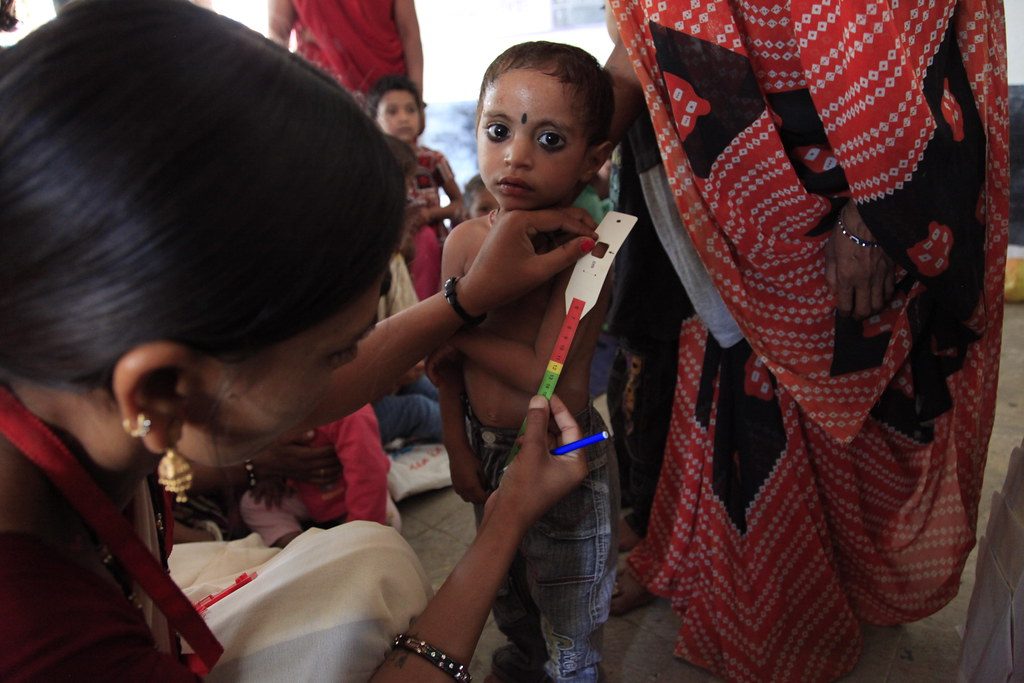
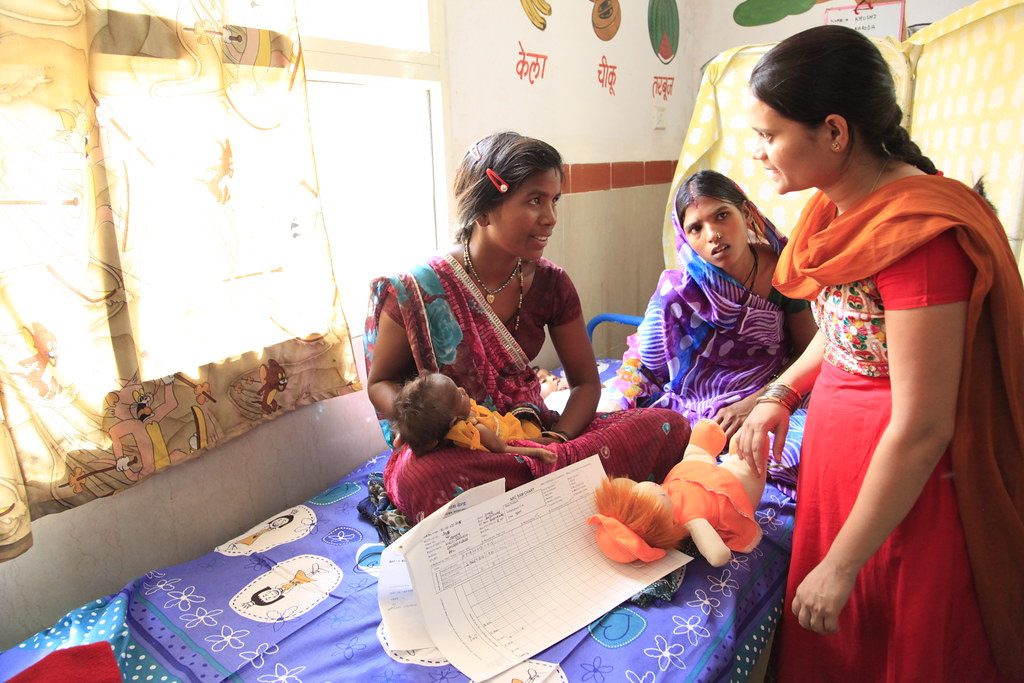
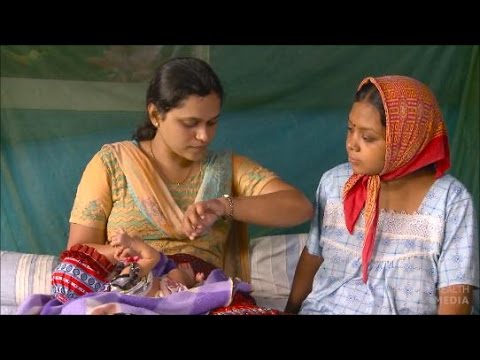
It did. Among 1,300 term babies born small, those receiving a home-visit package of health, nutrition, and play-based stimulation had less stunting, wasting, and anemia at 12 months. Anemia more than halved. Cognitive, language, and motor scores rose, and fewer infants died. The results appeared in the Journal of the American Medical Association.

Why it matters

Babies born small face lifelong growth and brain-development risks; this cheap home-visit package measurably cut those risks, and deaths.

Questions about this story

Free account needed to ask — your question is kept and asked for you right after sign-up. Answers are public.

No questions yet — be the first to ask.

Key Indicators

1,300
Term SGA infants randomized
Split 1:1 between the integrated home-visit package and usual government care.
More than half
Reduction in anemia prevalence
Anemia at 12 months more than halved among infants whose mothers received the package.
23 million
Babies born SGA each year worldwide
Roughly 17% of global births; prevalence reaches 40% in South Asia.
40%
SGA prevalence in South Asia
The region carries the world's heaviest burden of small-for-gestational-age births.

Voices

Curated perspectives — historical figures and your fellow readers.

Ever wondered what historical figures would say about today's headlines?

Sign up to generate historical perspectives on this story.

People Involved

Organizations Involved

Timeline

January 2023 September 2026

4 events Latest: Today
Tap a bar to jump to that date
  1. Trial report appears in current JAMA issue

    Today Publication

    The multidomain intervention study featured in the journal's September 22 print issue, widening clinical and policy exposure.

  2. Results published online in JAMA

    Publication

    The report showed lower stunting, wasting, and anemia plus higher cognitive, language, and motor scores in the intervention group.

  3. Follow-up completes at 12 months

    Study Completion

    All infants reached 12 months of age and outcome teams locked growth, anemia, and neurodevelopment data.

  4. Trial enrollment begins in South Delhi

    Trial Launch

    Researchers began enrolling 1,300 term small-for-gestational-age infants within 14 days of birth in low-resource neighborhoods.

Scenarios

1

India folds the home-visit care package into national child programs

Possible Resolves by End of 2028

Discussed by: Trial authors and University of Bergen investigators

The researchers framed the results as a case for wider adoption. A government review would weigh cost and delivery logistics, since home visits require trained workers and sustained funding. If a pilot under the Integrated Child Development Services or a similar scheme shows feasibility, a formal scale-up announcement could follow.

2

WHO updates care guidance for small babies citing the trial

Possible Resolves by End of 2029

Discussed by: Global health observers and the study's international collaborators

The trial addresses a gap in WHO guidance on care for growth-restricted infants. If the agency's guideline review accepts the evidence, revised recommendations could endorse integrated health, nutrition, and stimulation packages over standalone interventions.

3

Preterm arm results confirm the benefit across a wider group

Likely Resolves by End of 2027

Discussed by: Protocol authors at Society for Applied Studies and University of Bergen

The companion Small Babies Trial applies the same package to preterm infants and their mothers, with results expected after 12-month follow-up. If the preterm arm matches the term SGA findings, the evidence base expands to a much larger share of vulnerable newborns worldwide.

Historical Context

2 moments from history that rhyme with this story — and how they unfolded.

1969–1977

INCAP Guatemala nutrition study (1969–1977)

Researchers in four Guatemalan villages gave a high-protein supplement to one group and a control drink to another across pregnancy and early childhood.

Then

Children in supplemented villages grew taller and performed better on cognitive tests in childhood.

Now

Follow-ups into adulthood found higher wages and educational attainment.

Why this matters now

It established that early nutrition shapes later human capital, the same logic the Delhi package builds on by adding health and stimulation components.

1986–1987

Jamaican stimulation trial (1986–1987)

Sally Grantham-McGregor and colleagues gave stunted toddlers in Kingston home-based play stimulation for two years. The aim was to test whether cognitive stimulation could counter the effects of early malnutrition.

Then

Stimulated children scored higher on IQ tests immediately after the intervention.

Now

Follow-ups through age 22 showed lasting gains in IQ and academic attainment.

Why this matters now

The Delhi trial extends this idea by pairing stimulation with nutrition and health support in a single package delivered during the first year of life.

Sources

(6)