
Pull to refresh
Logo
FAA awards Chicago $21.4 million for airport taxiway rehabilitation

FAA awards Chicago $21.4 million for airport taxiway rehabilitation

Built World Chicago, IL local

Federal grant covers the final construction phase for about 4,750 feet of taxiway pavement

September 15th, 2026: FAA obligates $21.4 million to Chicago

Overview

Updated 55 minutes ago

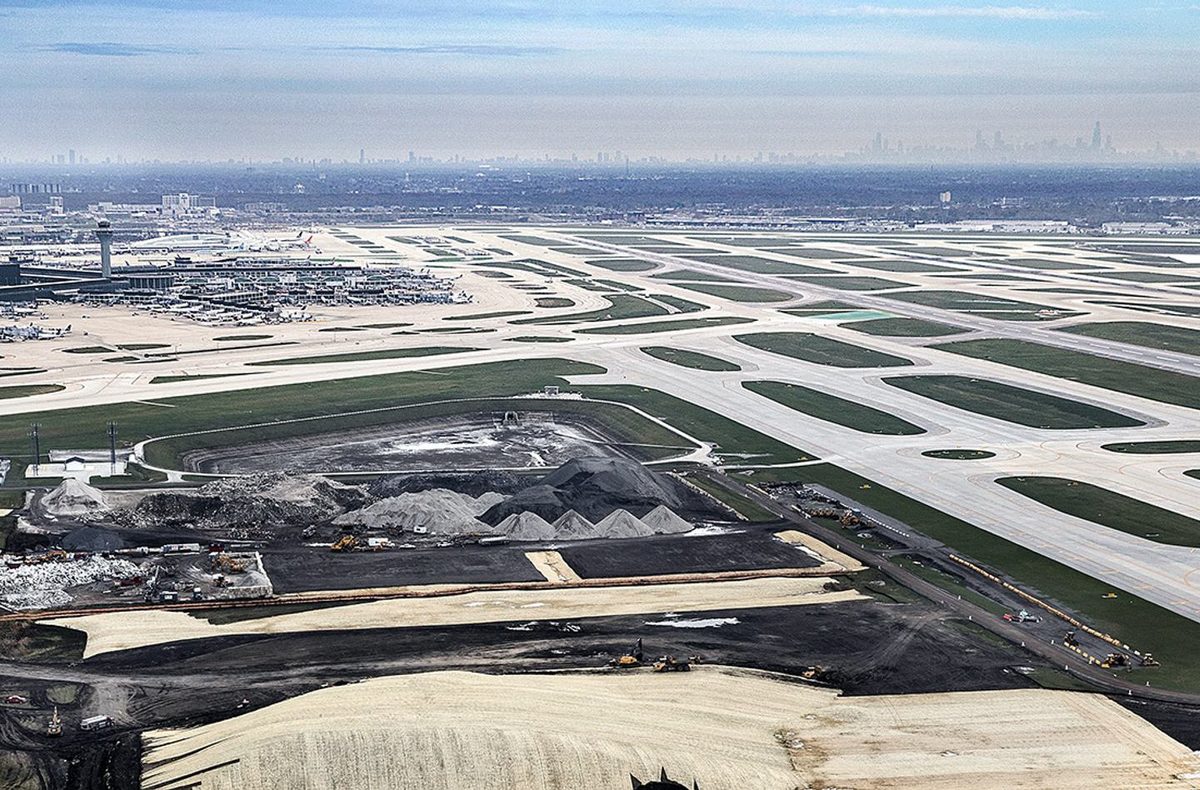
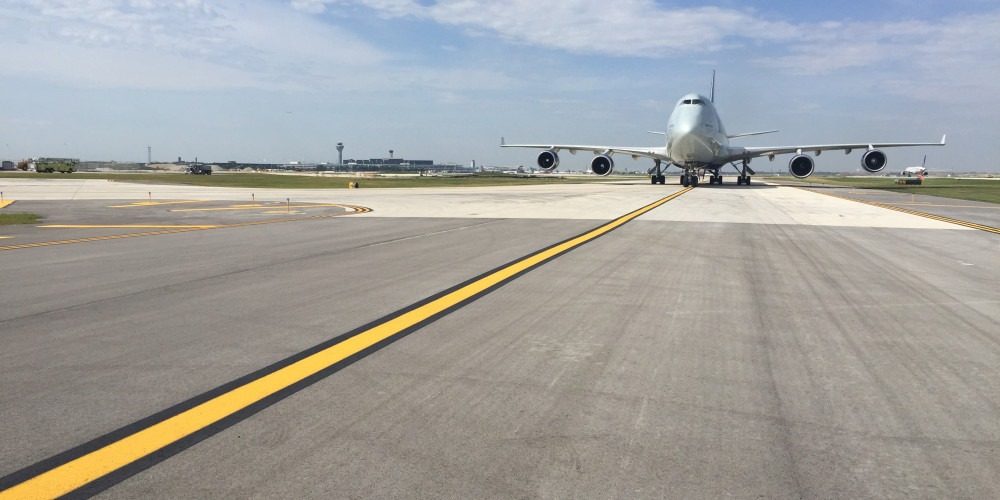
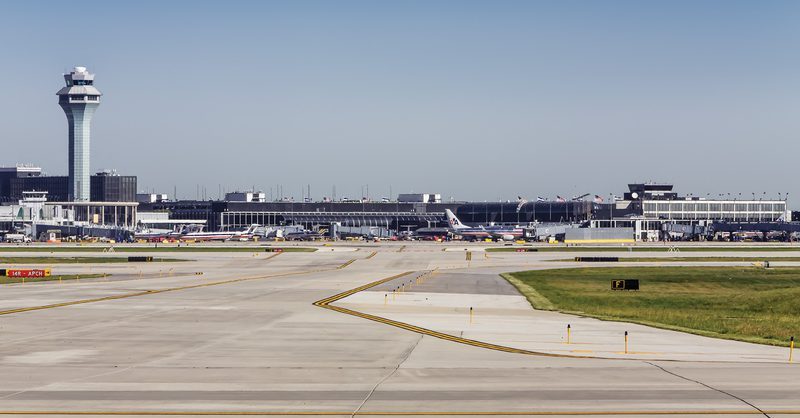
The Federal Aviation Administration (FAA) has committed $21.4 million to the City of Chicago to rehabilitate about 4,750 feet of taxiway pavement at Chicago's airports. The money covers the final construction phase for taxiways S, S1, S2, and S3.

The funds are obligated, not spent. The federal government has promised the money, which will flow as construction proceeds. The work maintains the pavement's structural integrity, minimizes foreign object debris (loose objects that can damage aircraft), and extends the taxiways' useful lives.

Why it matters

The grant funds the final phase of taxiway repairs that keep Chicago's pavement structurally sound and prevent debris from damaging aircraft.

Questions about this story

Free account needed to ask — your question is kept and asked for you right after sign-up. Answers are public.

No questions yet — be the first to ask.

Key Indicators

$21.4M
FAA grant obligated to Chicago
Federal funding for the final phase of taxiway rehabilitation at Chicago's airports.
~4,750 ft
Taxiway pavement to be rehabilitated
Combined length of taxiways S, S1, S2, and S3.
4
Taxiways covered
Taxiways S, S1, S2, and S3 are included in the grant.

Voices

Curated perspectives — historical figures and your fellow readers.

Ever wondered what historical figures would say about today's headlines?

Sign up to generate historical perspectives on this story.

Organizations Involved

Timeline

1 event Latest: September 15th, 2026 · 2 weeks ago
  1. FAA obligates $21.4 million to Chicago

    Latest Funding

    FAA commits $21.4 million to rehabilitate taxiways S, S1, S2, and S3 at Chicago airports.

Scenarios

1

Chicago completes taxiway rehabilitation as planned

Likely Resolves by Sep 15, 2028

Discussed by: FAA Airport Improvement Program standard practice

The city moves through construction on taxiways S, S1, S2, and S3 within a typical project window of one to two years. The work covers about 4,750 feet of repaved pavement. The FAA closes out the grant once the work is inspected and accepted.

2

Construction delays push taxiway project past initial timeline

Possible Resolves by Sep 15, 2027

Discussed by: Airport construction industry analysts

Weather, contractor availability, or supply delays push the project beyond the typical completion window. The city may request a grant extension or supplemental funding. The work still gets done, but later than planned.

3

Federal budget action reduces Chicago taxiway grant

Unlikely Resolves by Mar 15, 2027

Discussed by: Federal budget analysts

A budget agreement or rescission package cuts this infrastructure obligation before construction is complete. The city would need to find other funds or delay the project.

Historical Context

3 moments from history that rhyme with this story — and how they unfolded.

May 1970

Airport and Airway Development Act (1970)

Congress created the Airport and Airway Trust Fund, funded by taxes on airline tickets, aviation fuel, and cargo. The law made that money available for airport and air traffic control improvements.

Then

Airports gained a dedicated federal funding stream for infrastructure, independent of the general budget.

Now

The trust fund remains the main source of money for FAA airport grants and air traffic modernization.

Why this matters now

This is the funding pool that the $21.4 million Chicago taxiway grant draws from.

September 1982

Airport and Airway Improvement Act (1982)

Congress established the Airport Improvement Program, which distributes grants to airports for planning, development, and safety projects. The program covers pavement work like this taxiway rehabilitation.

Then

Airports gained a consistent, formula-based federal grant process for infrastructure.

Now

AIP has funded thousands of airport projects; today's Chicago grant is one of them.

Why this matters now

The Chicago taxiway grant is an Airport Improvement Program award made possible by this law.

July 2000

Air France Flight 4590 Concorde crash (2000)

A metal strip left on a runway at Paris Charles de Gaulle Airport punctured the tire of an Air France Concorde on takeoff. Tire debris ruptured a fuel tank, causing a fire and the crash of the aircraft, killing 113 people.

Then

The accident prompted worldwide reviews of runway and taxiway debris inspection procedures.

Now

Foreign object debris prevention became a central focus of airport pavement maintenance, which programs like this grant address.

Why this matters now

Chicago's grant explicitly aims to minimize foreign object debris, the same hazard that contributed to the Concorde crash.

Sources

(1)

More from Chicago, IL

Openings, permits and council decisions in Chicago, IL, in your inbox every Monday.