

Pull to refresh
Logo
Amtrak's Bridgeport railyard gets federal environmental review after community fight

Amtrak's Bridgeport railyard gets federal environmental review after community fight

Rule Changes Chicago, IL local

Federal Railroad Administration reverses fast-track approval, adds public comment and meetings to $915 million project

Today: FRA confirms review includes public comment

Overview

Updated 1 hour ago

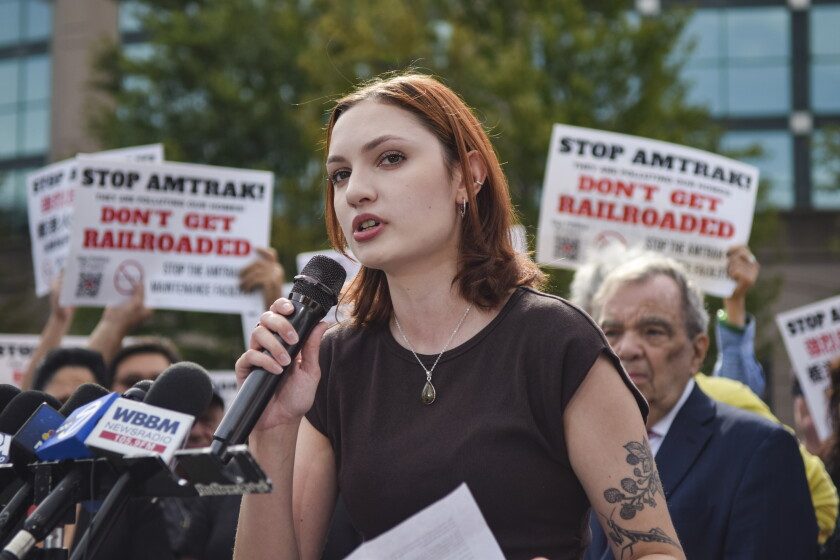
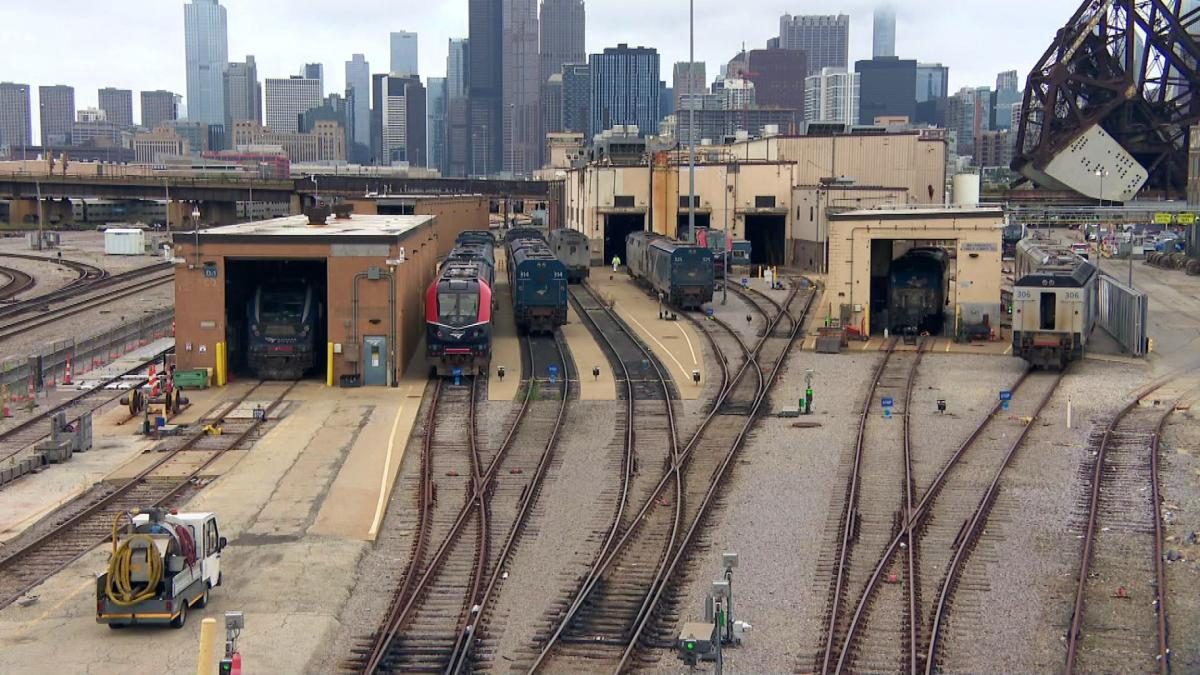
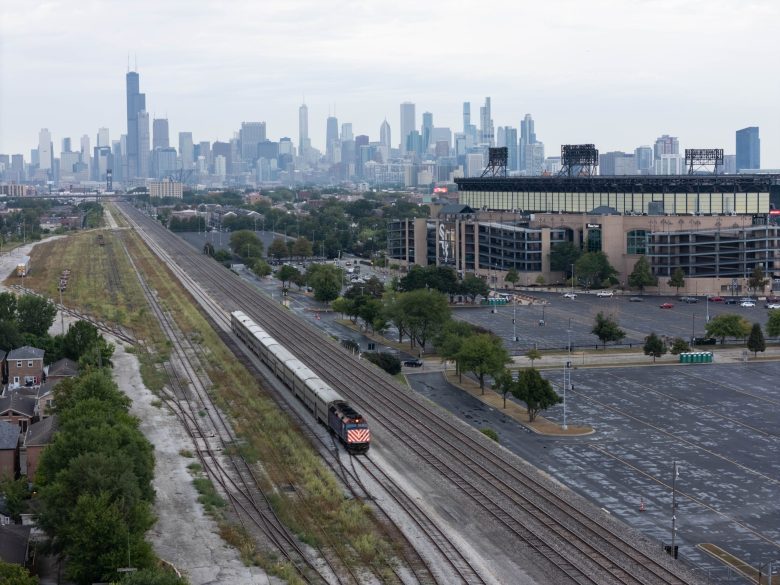
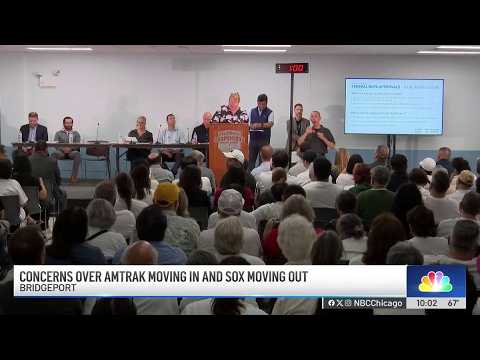
Amtrak's plan for a 24-hour maintenance railyard beside Rate Field will now go through the federal environmental review neighbors have demanded for months. The Federal Railroad Administration reversed its earlier fast-track approval after Amtrak expanded the project to include repairs to 17 aging viaducts.

The shift moves the project from a categorical exclusion, the quickest route under the National Environmental Policy Act, to an environmental assessment with a 30-day public comment period and at least two public meetings. The review is expected to finish by year's end. It gives Bridgeport, Chinatown and Armour Square residents a formal say over a facility they say will bring noise, fumes and traffic to thousands of homes, and it slows a project linked to the White Sox stadium plan.

Why it matters

A $915 million railyard slated for a dense Chicago neighborhood now faces documented environmental review and a public comment period before construction can start.

Monday: what changed in Chicago, IL

One short email a week with the openings, closings, permits and council votes we covered. Free. Unsubscribe in one click.

Questions about this story

Free account needed to ask — your question is kept and asked for you right after sign-up. Answers are public.

No questions yet — be the first to ask.

Key Indicators

$659M
Federal grant for railyard relocation
Awarded by the FRA in August 2026 to move Amtrak's maintenance facility from the 14th Street yard.
$915M
Total project cost
Includes the railyard plus repairs to 17 viaducts supporting Canal Street Yard.
17
Viaducts added to project scope
The added repairs prompted the FRA to require a fuller environmental review.
~7,000
Residents near the proposed site
Figure from Bridgeport Environmentalists, more than 200 times the population around the current yard.
30
Public comment period
Opens once the environmental assessment is drafted, with at least two public meetings.

Voices

Curated perspectives — historical figures and your fellow readers.

Ever wondered what historical figures would say about today's headlines?

Sign up to generate historical perspectives on this story.

People Involved

Organizations Involved

Timeline

2019 October 2026

8 events Latest: Today
Tap a bar to jump to that date
  1. FRA confirms review includes public comment

    Today Regulatory

    Assessment will include a 30-day comment period and at least two public meetings.

  2. FRA begins environmental assessment

    Regulatory

    Federal Railroad Administration lists Oct. 8 as the review's start date.

  3. Council hearing on the railyard

    Hearing

    Transportation committee hears testimony from community organizations.

  4. News conference outside Rate Field

    Protest

    Community groups decry the railyard and the White Sox stadium plan.

  5. City Council demands pause

    Political

    Council passes resolution demanding a halt until environmental studies are public.

  6. FRA awards $659 million grant

    Funding

    Federal Railroad Administration grants Amtrak $659 million to relocate its maintenance facility.

  7. Amtrak holds first community meeting

    Community

    Residents say the session was notification, not real input.

  8. Canal Street Yard goes dormant

    Background

    Union Pacific stops using the freight yard in Bridgeport.

Scenarios

1

FRA clears project, railyard construction moves ahead

Likely Resolves by Q2 2027

Discussed by: Amtrak and Canal Edge, which welcomed the additional review

The environmental assessment finds no significant impacts, the FRA issues a Finding of No Significant Impact, and the project proceeds with likely mitigation conditions on noise and construction. This is the most common outcome when a site already operated rail, the Canal Street Yard ran freight trains until 2019.

2

Assessment finds real impacts, triggers full environmental impact statement

Possible Resolves by End of 2027

Discussed by: Hannah Dembosky and Bridgeport Environmentalists, who are pressing for a fuller review

If the assessment concludes the 24/7 facility would significantly affect air quality, noise or traffic, the FRA would escalate to a full Environmental Impact Statement, the most thorough review under federal law. That adds years and would likely push the project past the White Sox stadium timeline tied to the current 14th Street yard.

3

Community lawsuit blocks or reshapes the project

Possible Resolves by Q2 2028

Discussed by: Residents who said in late August they were considering legal action

After the assessment is issued, community groups sue, arguing the review is inadequate or the categorical exclusion was wrongly granted. A federal court could order a new review or block construction, echoing the Dakota Access Pipeline ruling that overturned an agency's fast-track exclusion.

Historical Context

3 moments from history that rhyme with this story — and how they unfolded.

July 2016 – June 2017

Dakota Access Pipeline (2016-2017)

The U.S. Army Corps of Engineers granted the Dakota Access Pipeline a series of categorical exclusions for river crossings. The Standing Rock Sioux Tribe sued, and in June 2017 a federal judge ordered the Corps to conduct a full environmental impact statement.

Then

The pipeline was largely built before the ruling, but the court forced a fuller review of the river crossing.

Now

The case established that categorical exclusions are vulnerable when a project's scope, location or public stakes change.

Why this matters now

Same mechanism: a federal agency's fast-track exclusion gave way to a fuller review after public pressure. Bridgeport residents cite this precedent as they push for an even more detailed assessment.

2015-2017

Keystone XL route change (2015-2017)

When Keystone XL's route through Nebraska changed, the State Department had to prepare supplemental environmental reviews instead of relying on its earlier analysis. The added review delayed the project for years.

Then

The project faced repeated legal and regulatory setbacks before being cancelled.

Now

Shows how a scope or route change can force a repeat of environmental review, even after a project was initially cleared.

Why this matters now

Amtrak's decision to add 17 viaduct repairs to the Bridgeport project was the scope change that triggered the FRA's reversal.

1865-1971

Chicago Union Stock Yards (1865-1971)

Bridgeport grew up beside the Union Stock Yards and its dense web of rail lines, which brought jobs along with noise, pollution and slaughterhouse waste. The yards closed in 1971 and were demolished, leaving a vast contaminated site.

Then

The site was redeveloped, but the neighborhood lived with the industrial legacy for generations.

Now

Residents' memory of heavy rail and industrial use shapes current resistance to a new 24/7 facility.

Why this matters now

The railyard fight is, in part, a debate over whether Bridgeport's industrial past should define its future.

Sources

(4)