

Pull to refresh
Logo
Amtrak taps HNTB to design replacements for two aging Maryland rail bridges

Amtrak taps HNTB to design replacements for two aging Maryland rail bridges

Built World

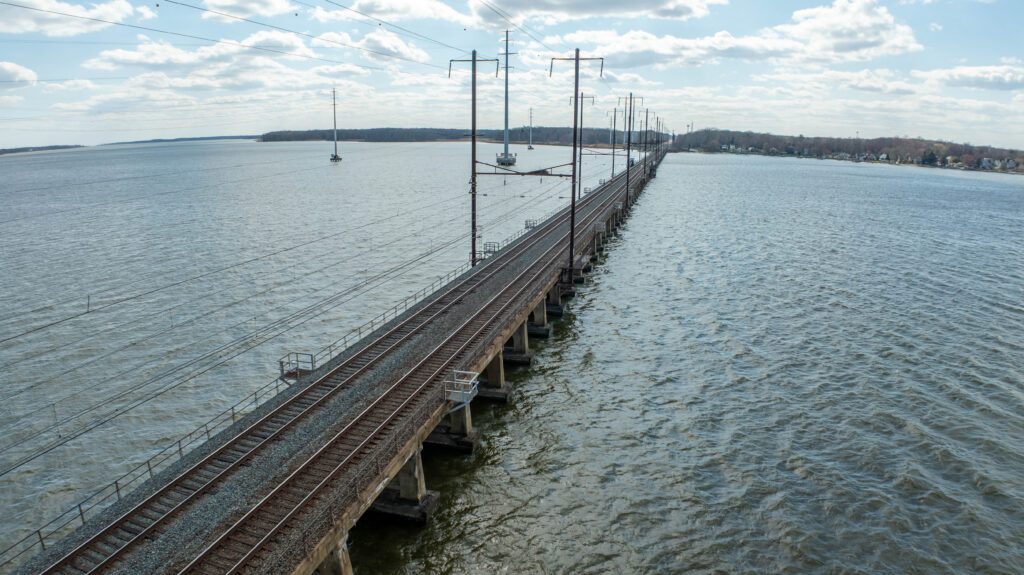
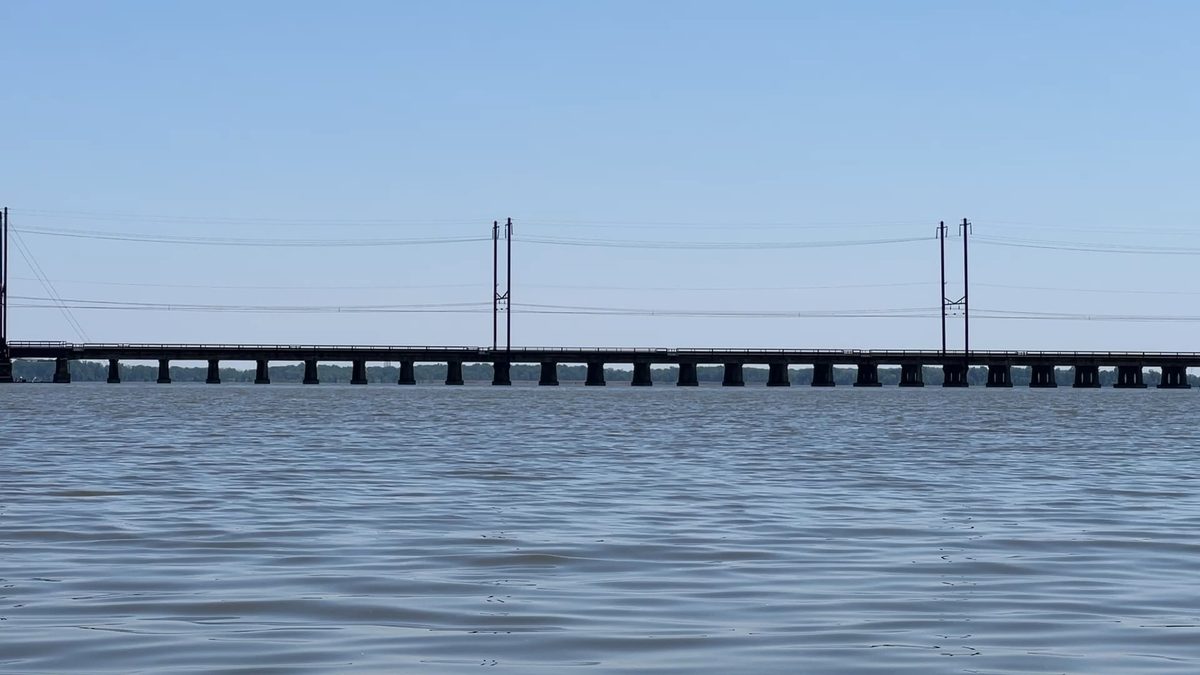
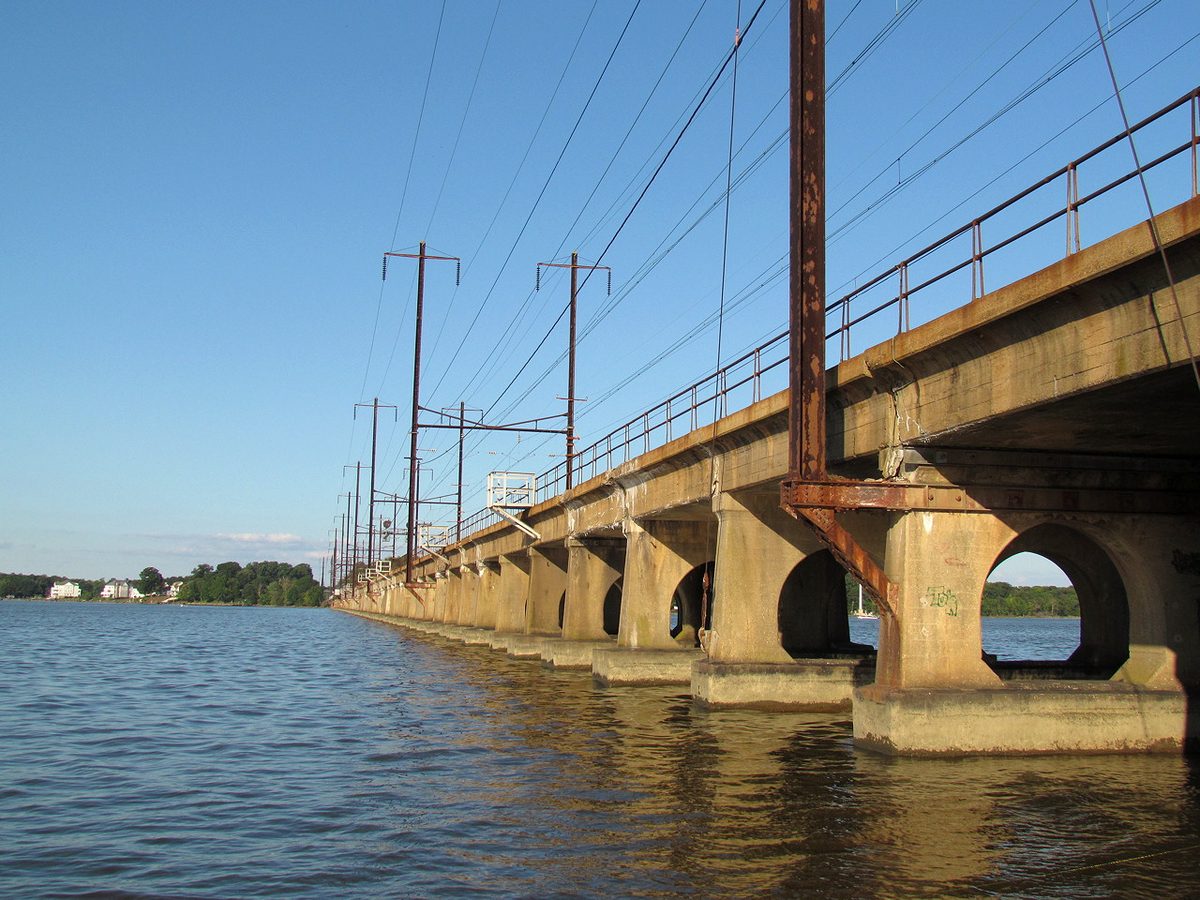
Bush River and Gunpowder River spans on the Northeast Corridor could carry trains up to 160 mph once rebuilt.

Yesterday: Amtrak selects HNTB for both bridge replacements

Overview

Updated 2 hours ago

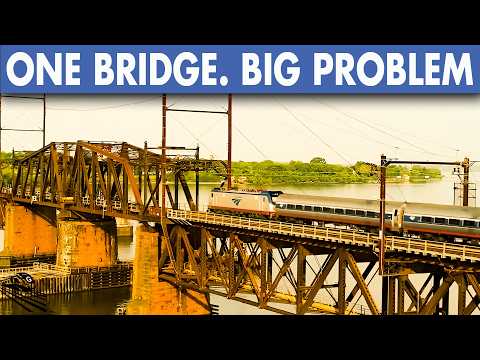
Amtrak picked HNTB on October 9, 2026 to design replacements for two Maryland bridges on the Northeast Corridor. The Bush River and Gunpowder River spans, both about 113 years old, carry more than 100 trains a day between Baltimore and Wilmington.

The new designs target train speeds up to 160 mph, up from 125 today. A fixed Bush River span would also replace a movable bridge that needs a 20-person crew to hand-crank open for boats. Only preliminary engineering is funded so far; final design and construction await future federal grants.

Why it matters

A stuck Bush River span stalls every Amtrak train between New York and Washington, and the bridge already caused 72 hours of delays in 2019.

Questions about this story

Free account needed to ask — your question is kept and asked for you right after sign-up. Answers are public.

No questions yet — be the first to ask.

Key Indicators

100+
Daily trains crossing both bridges
Amtrak intercity, MARC commuter and Norfolk Southern freight services combine for over 100 trains each day.
145–160 mph
Target train speeds after replacement
Up from the 125 mph limit the aging spans allow today.
72+ hours
Train delays caused by Bush River Bridge in 2019
Failures of the movable span accounted for the lost time in a single year.
113
Years since both bridges were completed
Gunpowder River Bridge opened in 1913; Bush River Bridge followed the same year.

Voices

Curated perspectives — historical figures and your fellow readers.

Ever wondered what historical figures would say about today's headlines?

Sign up to generate historical perspectives on this story.

People Involved

Organizations Involved

Timeline

1913 2029

4 events Latest: Yesterday
Tap a bar to jump to that date
  1. Preliminary engineering scheduled to conclude

    Upcoming Milestone

    Design and environmental review for both bridges are on track to finish in 2029, pending future construction funding.

  2. Amtrak selects HNTB for both bridge replacements

    Latest Contract Award

    HNTB wins the architectural and engineering services contract for the Bush River and Gunpowder River bridges, covering a 20-mile stretch of the Northeast Corridor.

  3. Bush River Bridge failures cause 72-plus hours of delays

    Incident

    Failures of the movable span delay Amtrak and MARC trains across multiple days in a single year.

  4. Gunpowder River and Bush River bridges open

    Construction

    Both spans complete as part of the Pennsylvania Railroad's main line through Maryland.

Scenarios

1

Amtrak lands construction funding, both bridges replaced by 2035

Possible Resolves by End of 2035

Discussed by: Federal Railroad Administration's NEC Project Inventory lists both bridges as key priorities; Amtrak and HNTB frame the design phase as advancing higher-speed rail service.

The FRA grant covers only preliminary engineering and environmental review. If Congress or the FRA later obligates final design and construction money, the project moves from the drawing board to the field. A fully replaced corridor would lift speed limits to 145 mph on Gunpowder River and 160 mph on Bush River, and the fixed Bush River span would eliminate the 20-person opening crew.

2

Preliminary engineering ends in 2029 with no construction money

Possible Resolves by End of 2029

Discussed by: Amtrak's own release notes that additional future funding would be required for final design and construction.

The current grant funds design and NEPA review only. If no construction appropriation arrives, the project stalls at the design table. The bridges keep operating under their current restrictions, speeds stay at 125 mph, and the Bush River crew keeps hand-cranking the span open for boat traffic.

3

Bush River Bridge failure shuts the corridor before replacement

Unlikely Resolves by End of 2029

Discussed by: Amtrak's documented record: the bridge caused 72-plus hours of delays in 2019 and has failed to close after openings.

The movable Bush River span has a history of jamming open, which stops every Amtrak and MARC train between New York and Washington until it is cleared. A failure that takes days to fix would produce the kind of corridor-wide disruption the replacement is designed to prevent. This is the risk scenario that motivates the project's priority status.

Historical Context

2 moments from history that rhyme with this story — and how they unfolded.

2010 – November 2026

Portal North Bridge replacement, New Jersey (2010–2026)

The old Portal Bridge, a roughly 116-year-old swing span over the Hackensack River, was a notorious single-point failure on the Northeast Corridor. HNTB, in a tri-venture with two other firms, designed the replacement: a fixed high-level arch bridge that stands 50 feet above the water. The first track entered service in 2026, and the final track transfer began October 9 that year, with full service scheduled to resume November 15.

Then

Five weeks of adjusted rail schedules while crews transfer the final track to the new bridge, ending a century of swing-span operations.

Now

A fixed span removes the old bridge's opening mechanism, the corridor's recurring failure point, and supports higher speeds and more frequent service.

Why this matters now

Portal North Bridge is the template for what Amtrak and HNTB are doing in Maryland: replacing a century-old movable bridge with a fixed span to eliminate a single-point failure on the busiest passenger rail corridor in the U.S.

Ongoing as of 2026

Susquehanna River Rail Bridge replacement, Maryland (ongoing)

Amtrak is replacing a movable bridge over the Susquehanna River in Maryland with two 4,000-foot, two-track fixed twin bridges. HNTB leads the design. The project doubles the crossing from two tracks to four and replaces the aging movable structure.

Then

The new fixed spans are under construction, with HNTB delivering conceptual and final design.

Now

Four tracks over the Susquehanna lift capacity and lay groundwork for higher-speed rail integration on the corridor.

Why this matters now

Same HNTB-Amtrak partnership, same movable-to-fixed bridge pattern, and same state: the Susquehanna work gives HNTB an active design playbook in Maryland that the Bush River and Gunpowder River projects will follow.

Sources

(7)