
Pull to refresh
Logo
Chicago issues full building permit for DuSable Park

Chicago issues full building permit for DuSable Park

Built World Chicago, IL local

A 3.44-acre lakefront site named for the city's founder in 1987 finally moves into construction, targeting a summer 2028 opening

Overview

Updated 1 hour ago

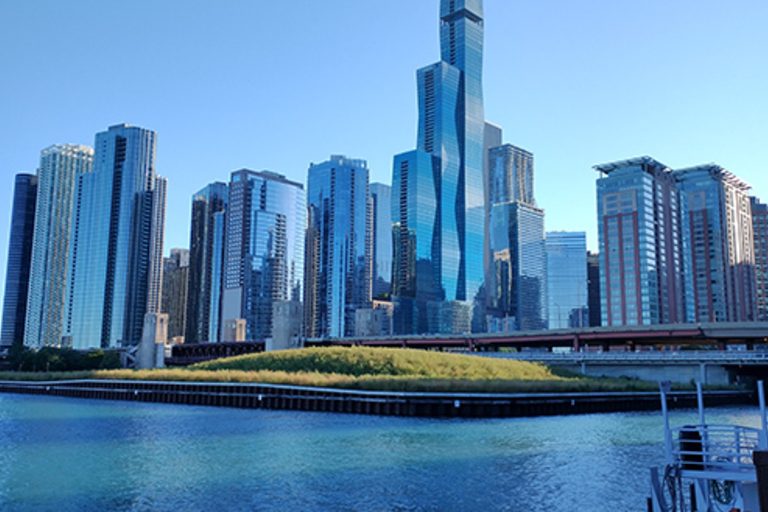
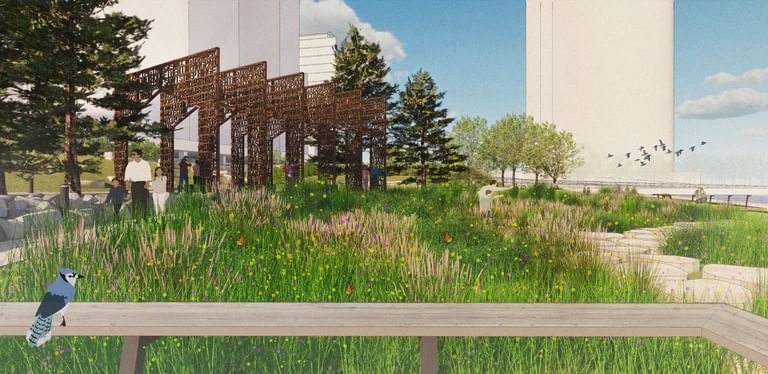
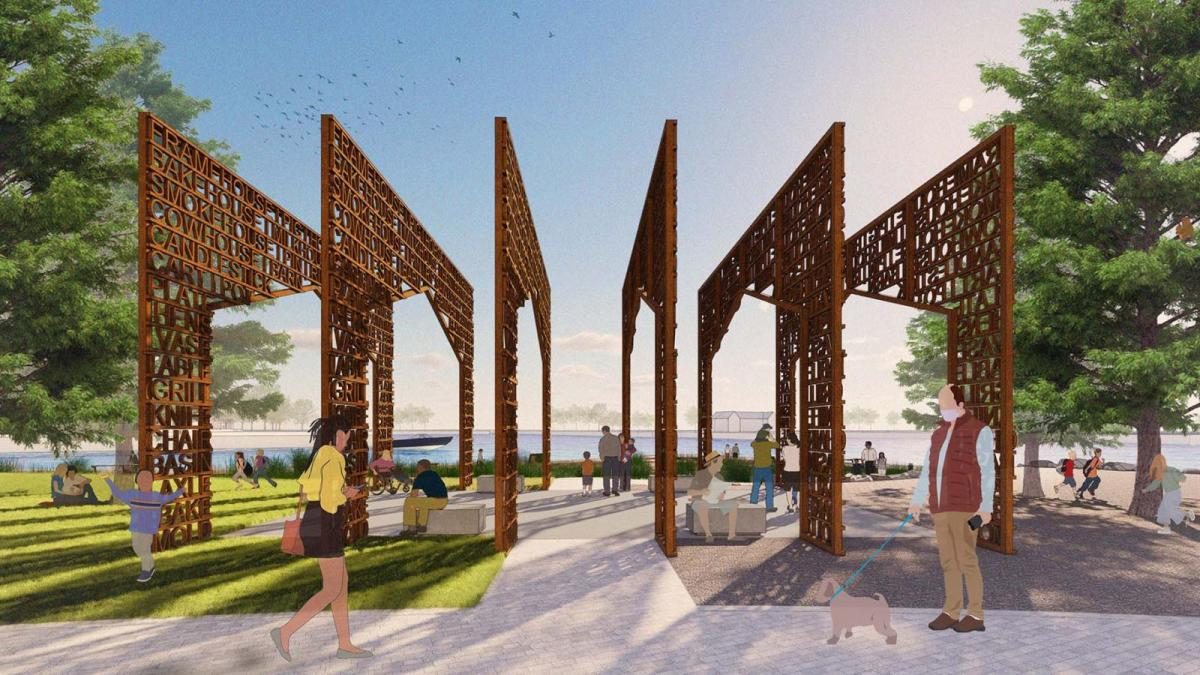
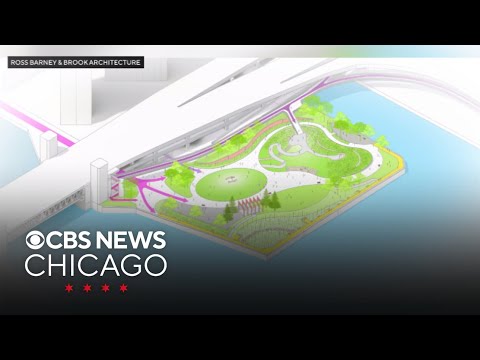
Chicago issued a full building permit on Nov. 27 for DuSable Park, a 3.44-acre site at 451 N. Lake Shore Dr. where the Chicago River meets Lake Michigan. The permit lets construction proceed on the $15 million project, which includes an entry plaza, a waterfront boardwalk, a pavilion shaped around the footprint of DuSable's cabin, and a commissioned statue.

The land was named for Chicago's founder in 1987 and has been empty ever since. Thorium contamination held it up for years, and the Park District had no construction budget until a neighboring developer agreed to pay for most of it. Related Midwest's $10 million, negotiated as part of its 400 Lake Shore Drive towers, covers the bulk of the cost.

Why it matters

A lakefront lot named for Chicago's founder in 1987 has sat empty since. The permit starts turning it into public green space.

Last Monday's email for Chicago, IL

Sent Nov 23. It carried:

Get next Monday's: one short email a week. Free. Unsubscribe in one click.

Questions about this story

Free account needed to ask — your question is kept and asked for you right after sign-up. Answers are public.

No questions yet — be the first to ask.

Key Indicators

3.44 acres
Park size
Lakefill parcel at the river's original mouth, east of Lake Shore Drive.
$15M
Estimated construction cost
Total project cost cited at the October groundbreaking.
$10M
Developer contribution
Related Midwest's commitment negotiated through the 400 Lake Shore Drive development.
$5M
Open Space Impact Fee grant
City funds earmarked by 42nd Ward Alderman Brendan Reilly.
39 years
Years from dedication to construction
The site was named DuSable Park in 1987 and broke ground in 2026.
$6.8M
EPA cleanup settlement
Awarded to the Park District in 2017 after thorium was found in the soil.

Voices

Curated perspectives — historical figures and your fellow readers.

Sign up to generate historical perspectives on this story.

People Involved

Organizations Involved

Timeline

1987 November 2026

8 events Latest: Today
Tap a bar to jump to that date
  1. Full building permit issued

    Today Permit

    The city issues the full building permit for the park, allowing construction of its structures to proceed.

  2. Groundbreaking ceremony held

    Construction

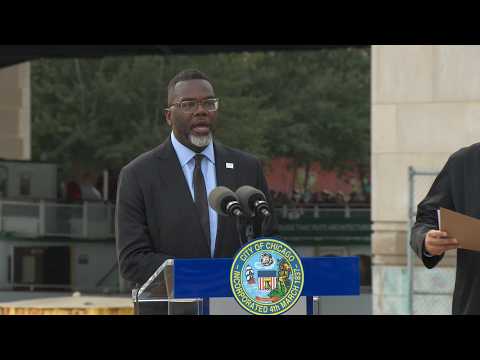
    Mayor Brandon Johnson and Park District officials mark the start of construction on the long-vacant site.

  3. Remediation completed

    Environment

    The Park District finishes on-site cleanup, clearing the way for design and construction.

  4. Framework plan published

    Planning

    The Park District and local stakeholders set out a vision: plaza, promenade, boardwalk and outdoor classroom.

  5. Thorium found in the soil

    Environment

    The EPA discovers soil contamination, including thorium, left by the site's industrial history.

  6. Park District takes the deed

    Land transfer

    A quitclaim for 3.44 acres transfers the parcel to the Chicago Park District.

  7. Site dedicated as DuSable Park

    Dedication

    Mayor Harold Washington names the vacant lakefill parcel for Chicago's first permanent non-Indigenous settler.

Scenarios

1

DuSable Park Opens in Summer 2028

Likely Resolves by Q3 2028

Discussed by: Chicago Park District and Related Midwest, which both name summer 2028 as the target opening

Construction runs roughly 18 months from the October 2026 groundbreaking, the Branly Cadet statue is finished in time, and the Park District cuts a ribbon at the river mouth before the 2028 season ends. The park would become the northern endcap of the Chicago Riverwalk and the first public use of the parcel since it was named in 1987.

2

Construction Slips Past 2028

Possible Resolves by End of 2028

Discussed by: Commenters on local development coverage, who note that the site's history is a sequence of missed dates

A park promised for decades carries schedule risk: weather, material costs, or the sequencing of the adjacent 400 Lake Shore Drive work could push completion. A slip would repeat the pattern set by the 39 years between the site's naming and its groundbreaking.

3

Riverwalk Extension Opens With the Park

Possible Resolves by End of 2028

Discussed by: Related Midwest, which says Founders Way and the Riverwalk extension will be completed with 400 Lake Shore Drive

The park's main access is planned through a new riverwalk segment, called Founders Way, built as part of the neighboring tower development, plus a connection to the Navy Pier flyover. If that link opens alongside the park, the Chicago Riverwalk gains its northern terminus and pedestrians get a continuous route from downtown to the lakefront.

Historical Context

2 moments from history that rhyme with this story — and how they unfolded.

1998–July 2004

Millennium Park, Chicago (1998–2004)

Chicago set out to build a landmark park over rail yards and a new parking garage at the northwest edge of downtown, originally timed to open for the year 2000. Construction ran into redesigns, cost overruns and disputes over who would pay, and the park opened four years late, at several times its original budget.

Then

The delays and overruns drew heavy criticism while the site sat fenced off from Grant Park for years.

Now

The finished park became one of the city's most visited attractions, and the episode became the standard reference for how Chicago's big civic projects run late.

Why this matters now

DuSable Park follows the same arc: a civic park announced with a schedule, funded through a mix of private and public money, and delivered well after the date first promised.

June 2009–September 2014

The High Line, New York (2009–2014)

An abandoned elevated freight line on Manhattan's West Side was converted into a linear park, opening in sections over five years. A nonprofit conservancy raised private money to build and operate it, and the park's presence let adjacent property owners buy and transfer development rights, tying new construction to the public space.

Then

The first section drew far more visitors than projected and pushed property values up along its route.

Now

It became the model for developer-financed public space in dense neighborhoods, with cities copying both the design and the funding structure.

Why this matters now

DuSable Park is being paid for largely by the developer building next door, the same mechanism that links new private construction to new public space on the High Line.

Sources

(4)