
Pull to refresh
Logo
Chicago zoning board clears 70-apartment conversion of 1912 LaSalle Street loft

Chicago zoning board clears 70-apartment conversion of 1912 LaSalle Street loft

Built World Chicago, IL local

Senco Properties' plan for the seven-story former printing building at Harrison and LaSalle has no car parking and 70 bike spaces

Overview

Updated 19 minutes ago

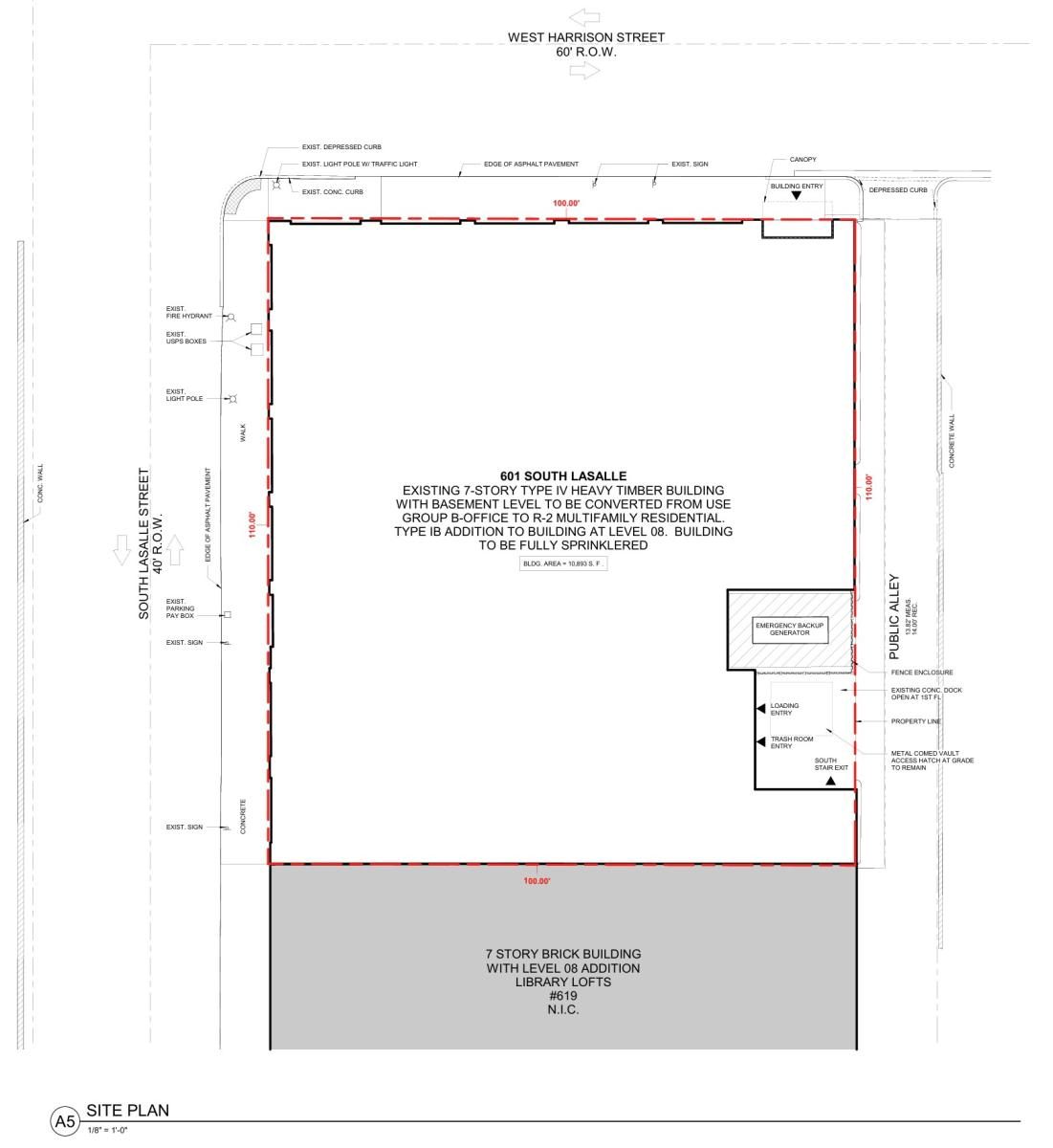
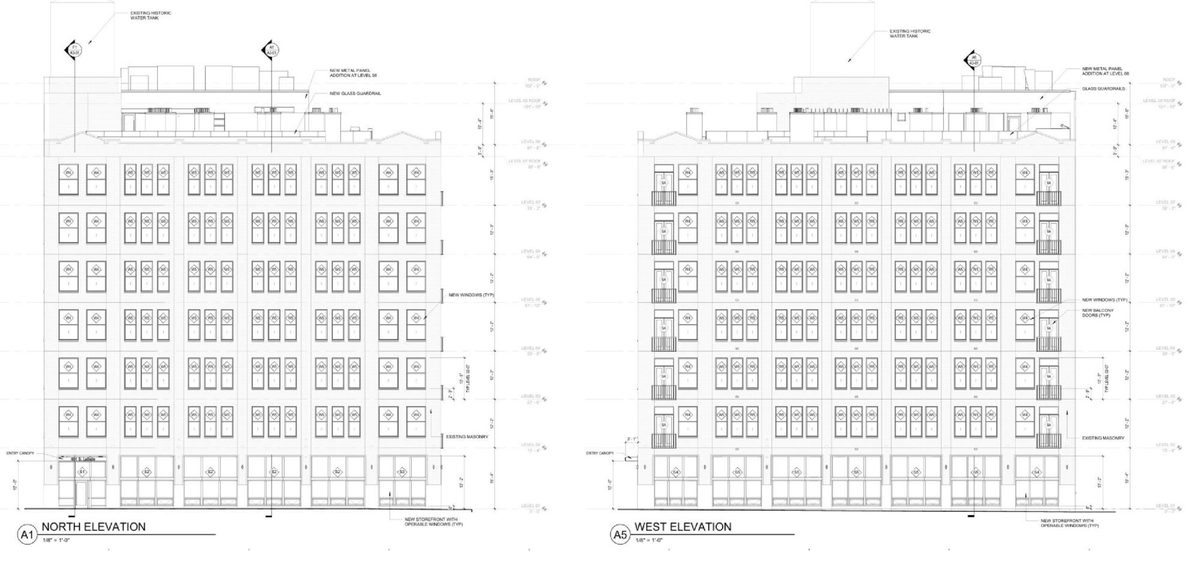
The seven-story loft at 601 S. LaSalle was built around 1912 for Chicago's printing trade and has been office space since. The city's Zoning Board of Appeals has now cleared its conversion into 70 apartments, with no car parking and no ground-floor retail.

The board granted a special use to convert the building to residential use and a variation dropping the required loading space. Senco Properties can now move to permitting and construction. The project is small and privately financed, which makes it a cleaner test than the subsidized LaSalle Street deals of whether these conversions pay for themselves.

Why it matters

Downtown Chicago has too much aging office space and too little housing. Each conversion tests whether the private math works without public money.

Last Monday's email for Chicago, IL

Sent Nov 23. It carried:

Get next Monday's: one short email a week. Free. Unsubscribe in one click.

Questions about this story

Free account needed to ask — your question is kept and asked for you right after sign-up. Answers are public.

No questions yet — be the first to ask.

Key Indicators

70
Apartments planned
The mix runs from 8 studios to a single four-bedroom unit.
70
Bike parking spaces
All bicycle storage is inside the building.
0
Car parking spaces
The plan leans on the LaSalle Blue Line and LaSalle Street Station nearby.
$3.3M
Reported purchase price
Senco Properties bought the building earlier in 2026, according to project coverage.
168
Units at the subsidized 208 S. LaSalle conversion
That project won $26 million in tax increment financing from City Council in April 2025.

Voices

Curated perspectives — historical figures and your fellow readers.

Sign up to generate historical perspectives on this story.

Organizations Involved

Timeline

October 2024 November 2026

6 events Latest: Today
Tap a bar to jump to that date
  1. ZBA approves the 601 S. LaSalle variances

    Today Zoning

    The board clears the path to building permits for a 70-unit conversion with no car parking.

  2. ZBA hearing set for 601 S. LaSalle

    Zoning

    A public notice lists the special use and loading-space variance for consideration.

  3. Fortress lends $64 million for 19 S. LaSalle

    Financing

    Envoi secures debt for its conversion of the former Central YMCA headquarters.

  4. Senco buys 601 S. LaSalle

    Acquisition

    The developer takes the 1912 loft building for a reported $3.3 million.

  5. City Council approves TIF for 208 S. LaSalle

    Policy

    Up to $26 million in tax increment financing backs 168 mixed-income units in the 1914 landmark.

  6. Envoi buys 19 S. LaSalle for conversion

    Acquisition

    Envoi Partners acquires the 1893 Jenney building for a $64 million plan of 175 apartments and 32 hotel rooms.

Scenarios

1

Building permit issued, work begins on 601 S. LaSalle

Likely Resolves by End of 2027

Discussed by: The developer's stated next step, as reported by Urbanize Chicago

With the special use and the loading-space variation in hand, Senco files for construction permits at the Department of Buildings. Because the project is a conversion rather than new construction, permitting is usually measured in months, not years. A permit converts the approval from a zoning decision into physical work.

2

Senco seeks city subsidy before construction

Possible Resolves by End of 2027

Discussed by: Analysts of the LaSalle corridor program, which subsidized 208 S. LaSalle

Conversion math in a soft downtown rental market often needs help. If Senco applies for tax increment financing or tax credits — as Prime Group did for 208 S. LaSalle — the project would move from a private bet to a subsidized one, and the affordability requirements that come with city money would apply.

3

The building is resold before any construction

Unlikely Resolves by Q2 2028

Discussed by: No published analysis; a common outcome for entitled but unbuilt conversions

A zoning approval raises the value of a building even if no hammer swings. If rental economics or financing costs turn unfavorable, Senco could sell the entitled project to another developer, which would keep the conversion alive but change who builds it.

Historical Context

2 moments from history that rhyme with this story — and how they unfolded.

1970s–1990s

Printers Row loft conversions (1970s–1990s)

As printing and publishing firms left the blocks south of the Loop, the heavy-timber loft buildings around Printers Row were converted to apartments and condominiums rather than demolished. Large windows, exposed wood and brick — liabilities for a modern office tenant — became selling points for residents.

Then

The blocks around Dearborn Station filled with renters and owners while keeping their 19th-century buildings.

Now

Printers Row became Chicago's template for reuse: keep the frame, change the use.

Why this matters now

601 S. LaSalle is the same bet, a block away and three decades later, on the same building type.

2021

Calgary downtown office conversion program (2021)

After oil prices fell and downtown Calgary's office vacancy climbed, the city began paying developers to turn empty towers into apartments instead of waiting for tenants. It became the reference case other North American cities cite when they debate office-to-residential policy.

Then

Several towers were stripped to their structural frames and rebuilt as rentals.

Now

The program is cited both as proof conversions can work and as a warning that they need subsidy in weak rental markets.

Why this matters now

Chicago's LaSalle Street incentives follow the same logic. The 601 S. LaSalle project is the version without the subsidy.

Sources

(4)