

Pull to refresh
Logo
Daily Brief
Following
Why
China's AI overhaul of traditional medicine

China's AI overhaul of traditional medicine

New Capabilities
By Newzino Staff |

Ancient healing meets machine learning in a state-backed effort to standardize and export TCM

November 4th, 2025: National AI Healthcare Strategy Released

Overview

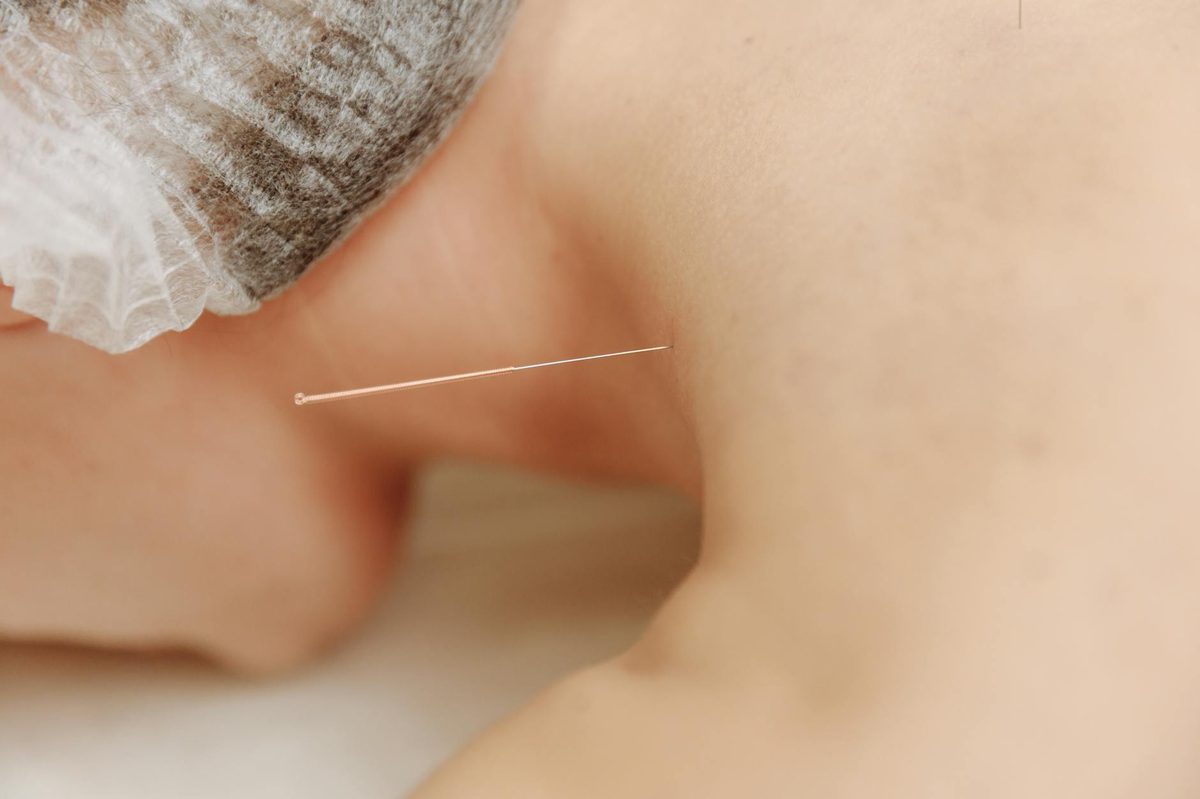
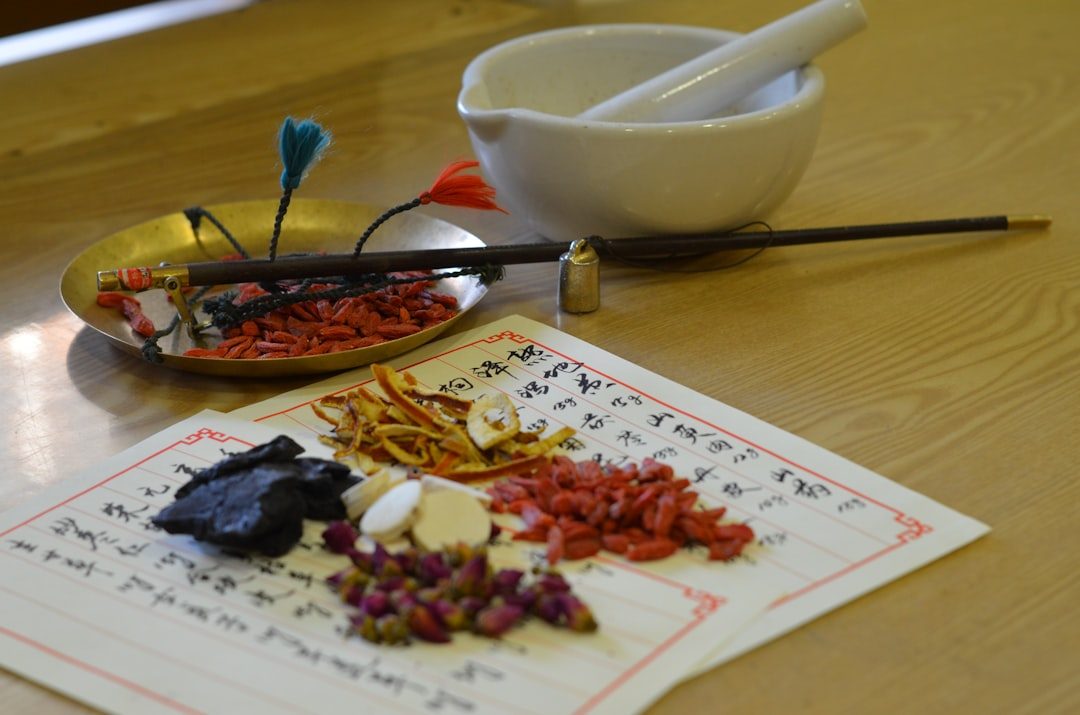
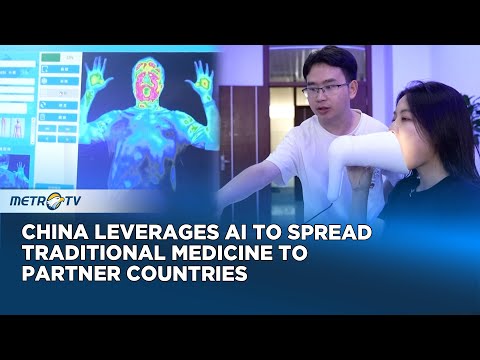
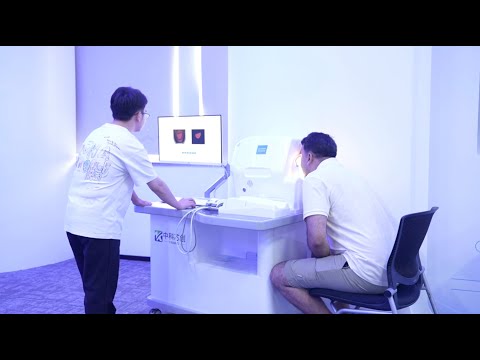
For over 2,000 years, traditional Chinese medicine practitioners have diagnosed patients by reading pulses and examining tongues—subjective skills that take decades to master. Now AI systems are doing it in under two minutes. Robots perform acupuncture, machine learning models classify patients by constitutional type, and chatbots trained on classical medical texts dispense herbal recommendations. China has poured 22 billion yuan ($3 billion) into TCM research platforms and aims to deploy AI-assisted diagnosis across village clinics nationwide by 2030.

The effort addresses a genuine problem: China has just 0.75 TCM practitioners per 10,000 people, and rural areas fare far worse. But it also serves geopolitical ambitions. Through the Health Silk Road, Beijing is positioning itself as a global healthcare provider, exporting AI-augmented TCM to 40 countries. The central question is whether machine learning can meaningfully standardize a system built on concepts like qi and yin-yang that Western science has found no evidence for—or whether it will simply automate the inconsistencies.

Key Indicators

22B
Yuan in TCM Funding (2024)
Record government investment in TCM research platforms, up substantially from previous years
0.75
TCM Practitioners per 10,000
Severe shortage driving AI adoption to extend diagnostic reach
1B+
Annual TCM Patients
People treated with traditional Chinese medicine in China each year
180
Domestic Standards by 2026
China's target for TCM standardization, plus 30 international standards

Interactive

Exploring all sides of a story is often best achieved with Play.

Ever wondered what historical figures would say about today's headlines?

Sign up to generate historical perspectives on this story.

Sign Up

Debate Arena

Two rounds, two personas, one winner. You set the crossfire.

People Involved

Tu Youyou
Tu Youyou
Nobel Laureate, Pharmacologist (Symbolic figurehead for TCM modernization)
Xi Jinping
Xi Jinping
President of China (Chief advocate for TCM modernization as national strategy)
Zhou Bin
Zhou Bin
TCM Physician and Researcher (Advocate for AI-TCM integration)

Organizations Involved

National Health Commission of China
Government Agency
Status: Lead regulator for AI healthcare integration

China's top health authority, coordinating the national AI healthcare strategy across five government bodies.

National Administration of Traditional Chinese Medicine
Government Agency
Status: Primary TCM regulatory body

Government body overseeing TCM policy, education, research, and international promotion.

Chinese University of Hong Kong
Academic Institution
Status: Developer of OpenTCM knowledge system

Hong Kong university whose researchers developed the OpenTCM system for extracting and querying classical TCM texts.

DeepSeek
DeepSeek
AI Company
Status: Leading Chinese AI model integrated into TCM platforms

Chinese AI startup whose large language models are being integrated into TCM diagnostic and recommendation systems.

Timeline

  1. National AI Healthcare Strategy Released

    Policy

    National Health Commission announces comprehensive AI healthcare roadmap targeting universal AI-assisted diagnosis at primary care by 2030. Plan includes specific provisions for TCM standardization and intelligent diagnostic equipment.

  2. WHO, ITU, WIPO Report on AI in Traditional Medicine

    International

    The World Health Organization, International Telecommunication Union, and World Intellectual Property Organization release a joint report examining AI applications in traditional medicine systems globally, highlighting China's leading role.

  3. DeepSeek Integration Accelerates

    Technology

    Multiple TCM platform developers announce integration of DeepSeek AI models for chatbots and prescription recommendations. Concerns emerge about regulatory oversight of rapid adoption.

  4. Reference Guide for AI Healthcare Released

    Policy

    China's Reference Guide for AI Application Scenarios in the Healthcare Industry identifies 84 use cases, including specific provisions for TCM administration and industry development.

  5. FOCAC Health Partnership Announced

    Diplomacy

    At the Forum on China-Africa Cooperation, China commits to establishing hospital alliances, sending 2,000 medical personnel to Africa, and launching 20 malaria treatment programs.

  6. TCM Funding Reaches Record 22 Billion Yuan

    Investment

    Government funding for TCM research platforms hits $3 billion, with over 1,200 platforms established across Chinese provinces.

  7. Guangzhou Pilots AI-TCM Devices

    Technology

    Guangzhou begins piloting AI-powered TCM Constitution Identification Devices in community health centers. By October 2023, 11 communities deploy the devices, serving over 12,000 residents.

  8. TCM Heritage and Innovation Directive

    Policy

    Government directive issued to 'strengthen the heritage and innovative development of TCM culture,' signaling increased emphasis on AI and technology integration.

  9. TCM Strategic Plan and First TCM Law

    Policy

    China enacts its first law specifically governing TCM and releases the Outline of the Strategic Plan on the Development of Traditional Chinese Medicine (2016-2030), formalizing long-term development goals.

  10. Health Silk Road Announced

    Policy

    President Xi Jinping unveils the Health Silk Road as a pillar of the Belt and Road Initiative, positioning China as a global healthcare provider with TCM as a key export.

  11. Tu Youyou Wins Nobel Prize

    Recognition

    Chinese pharmacologist Tu Youyou receives the Nobel Prize in Physiology or Medicine for discovering artemisinin, an antimalarial derived from traditional herbal medicine. The award is celebrated as validation of TCM's scientific potential.

  12. TCM Elevated to National Strategy

    Policy

    The 18th National Congress of the Communist Party of China makes TCM development a national strategic priority. Nearly 30 major policy decisions will follow over the next decade.

Scenarios

1

AI-Standardized TCM Gains Global Traction

Discussed by: Chinese government planning documents, WHO traditional medicine reports, Belt and Road analysts

Machine learning enables sufficient standardization that AI-diagnosed TCM passes regulatory muster in more countries. The International Organization for Standardization (ISO) adopts additional TCM standards beyond the current 123 items. Export markets expand beyond Asia, with Africa emerging as a major recipient through Health Silk Road partnerships. This scenario depends on China demonstrating clinical efficacy through trials that meet international standards—something that has consistently eluded TCM therapies to date.

2

Domestic Expansion, International Resistance

Discussed by: Western medical journals, Cochrane systematic reviews, Nature editorials

AI extends TCM's reach within China, addressing practitioner shortages in rural areas and standardizing diagnosis enough for domestic scalability. However, fundamental questions about efficacy—the lack of rigorous clinical trial evidence for core TCM concepts—prevent meaningful adoption in Western regulatory environments. TCM remains primarily a Chinese and diaspora phenomenon, with AI creating a more efficient version of an unvalidated system rather than a scientifically credible one.

3

AI Extracts Validated Compounds from TCM

Discussed by: Pharmaceutical researchers, artemisinin researchers, drug discovery analysts

Following the Tu Youyou model, AI-powered analysis of TCM's vast pharmacopeia identifies additional compounds with genuine therapeutic value. These are isolated, standardized, and subjected to conventional clinical trials. The result isn't 'AI-enhanced TCM' but rather new pharmaceutical compounds that happen to originate from traditional sources—similar to how aspirin derives from willow bark without validating humoral medicine. This would be a significant outcome but would not vindicate TCM's theoretical framework.

4

Regulatory Backlash and Safety Concerns

Discussed by: Medical AI ethicists, China's food and drug regulators, international health policy researchers

Rapid deployment of AI-TCM systems in community clinics leads to adverse events or misdiagnoses that trigger regulatory intervention. China's own food and drug regulator has previously uncovered widespread data fabrication in clinical trials. If AI systems trained on questionable data produce harmful recommendations, or if the 'black box' nature of diagnosis creates accountability gaps, the government may be forced to slow implementation. This scenario is heightened by concerns about algorithmic bias affecting rural and ethnic minority populations.

Historical Context

Artemisinin Discovery (1971-2015)

1971 - October 2015

What Happened

During China's Cultural Revolution, pharmacologist Tu Youyou led a secret military project to find antimalarial treatments for North Vietnamese soldiers. She screened 2,000 traditional recipes, ultimately isolating artemisinin from sweet wormwood based on a 4th-century text. She tested it on herself before human trials began. The compound has since saved an estimated 6.2 million lives.

Outcome

Short Term

Artemisinin became the World Health Organization's recommended malaria treatment and reduced global malaria deaths by 60% by 2015.

Long Term

Tu's 2015 Nobel Prize became China's primary evidence that TCM contains scientifically extractable value, shaping policy arguments for the modernization campaign.

Why It's Relevant Today

The artemisinin case is both proof of concept and cautionary tale: it showed that individual compounds can be isolated and validated from TCM sources, but it required applying Western scientific methods (isolation, standardization, controlled trials) rather than validating TCM theory itself.

Japan's Kampo Medicine Integration (1970s-Present)

1970s - Present

What Happened

Japan integrated its traditional Kampo medicine into the national health system differently than China. Rather than creating separate Kampo hospitals and licensing, Japan allows any licensed physician to prescribe Kampo formulations. The government covers 148 standardized Kampo preparations under national health insurance, but physicians practice Western and traditional medicine interchangeably.

Outcome

Short Term

Kampo became widely accessible without creating a parallel medical system or separate professional track.

Long Term

Japan has focused on standardizing herbal preparations rather than diagnostic methods, avoiding many of the philosophical conflicts that arise when trying to systematize concepts like 'qi' or constitutional types.

Why It's Relevant Today

Japan's approach shows an alternative path: standardize the medications rather than the diagnosis. China's AI push attempts something more ambitious—systematizing the diagnostic philosophy itself—which may prove either groundbreaking or fundamentally misconceived.

WHO Traditional Medicine Inclusion Controversy (2019)

June 2019

What Happened

The World Health Organization included traditional Chinese medicine in its International Classification of Diseases (ICD-11), a global diagnostic compendium. Chinese officials celebrated the move as international endorsement. Critics argued it legitimized unproven practices. A WHO spokesman clarified the inclusion was 'not an endorsement of the scientific validity of any Traditional Medicine practice.'

Outcome

Short Term

The decision sparked a Nature editorial warning that China's TCM programs 'have only given a veneer of legitimacy to treatments that have not been rigorously tested.'

Long Term

The controversy established fault lines that persist: Chinese officials interpret international recognition as validation, while Western medical establishment views standardization efforts with skepticism.

Why It's Relevant Today

The ICD-11 debate previews likely international responses to AI-enhanced TCM: classification and standardization will be interpreted very differently by proponents and skeptics, with little common ground on what constitutes scientific validity.

12 Sources: