1
India Becomes Third AI Pole Alongside US and China
Possible
Discussed by: Rest of World, World Economic Forum analysts, Indian government officials framing India as offering a 'third way'
India's sovereign AI investments mature into a competitive alternative for the Global South. Countries uncomfortable with US Big Tech data practices or Chinese government ties adopt Indian AI infrastructure as a neutral option. The combination of democratic governance, multilingual capability, and open-source ethos creates a distinct model that attracts partnerships across Africa, Southeast Asia, and Latin America. India's digital public infrastructure approach—treating AI as shared infrastructure like roads—becomes a template for developing nations.
2
Sovereign Models Power Government Services, Big Tech Dominates Consumer AI
Likely
Discussed by: McKinsey, EY India analysis, industry observers noting parallel adoption patterns
Indian sovereign AI models achieve their primary goal of powering government services—citizen helplines, Aadhaar authentication, rural welfare programs—but struggle to compete with OpenAI, Google, and Meta for consumer applications. A bifurcated market emerges: sovereign models handle sensitive public sector use cases where data must stay in India, while Western AI dominates entertainment, productivity, and enterprise software. The talent gap persists as top researchers continue migrating to US companies offering higher compensation.
3
Hardware Constraints Stall Sovereign AI Progress
Possible
Discussed by: Technology analysts, venture capital observers, researchers noting GPU scarcity
Despite government investments, India's sovereign AI ambitions hit a wall: advanced AI chips remain controlled by NVIDIA and subject to US export regulations, while domestic chip development lags by years. The 38,000 GPUs deployed prove insufficient as model sizes grow, forcing Indian startups to either scale down ambitions or depend on cloud computing from American hyperscalers—undermining the sovereignty rationale. China's progress despite US chip restrictions offers lessons, but India lacks comparable manufacturing capacity.
4
Multilingual Voice AI Unlocks Mass Digital Participation
Possible
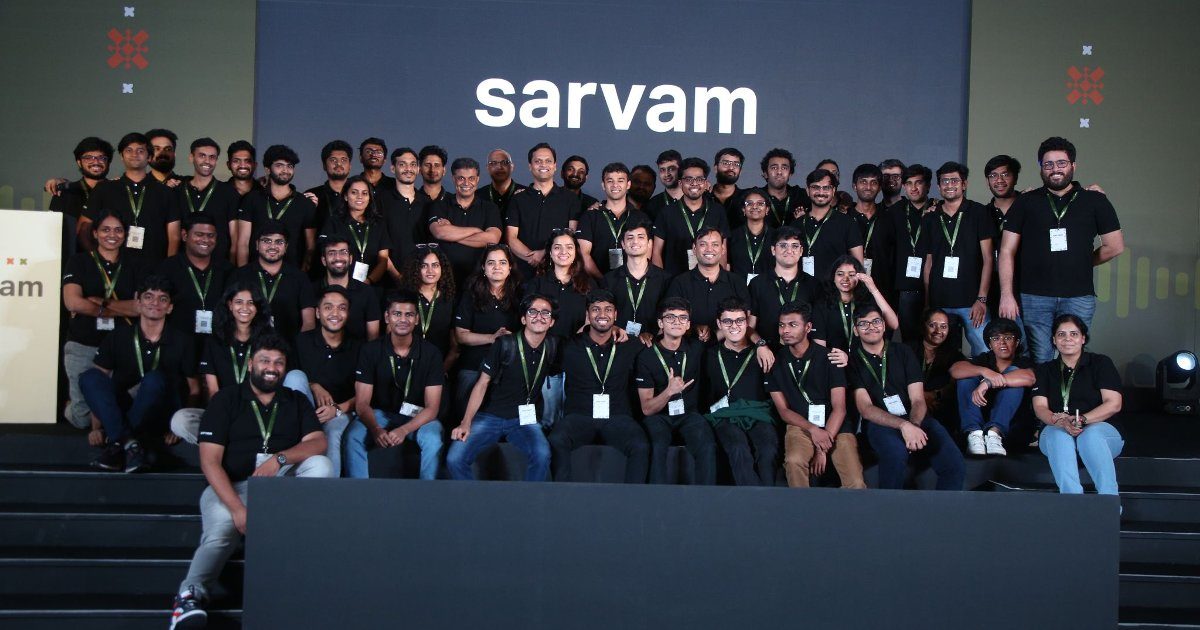
Discussed by: Sarvam AI leadership, government officials, rural development analysts
Voice-first AI interfaces in regional languages bring hundreds of millions of Indians into the digital economy for the first time. Farmers access government schemes in Bhojpuri, small business owners manage accounts in Tamil, and rural healthcare workers consult AI diagnostics in Malayalam. The digital divide shrinks faster than any infrastructure program could achieve. India's experience becomes a case study for how AI can drive inclusion rather than concentration, though questions persist about data privacy and surveillance capabilities enabled by universal voice interfaces.
5
Sovereign AI Becomes the Default for India's Banks and Regulated Industries
Likely
Resolves by Q2 2027
Discussed by: TelecomDrive, Navana.ai, Gnani.ai positioning
Models like Evon 3.3 and Bodhi TTS run on a single server inside an institution's own data centre, which lets banks, insurers and government bodies meet DPDP, RBI and IRDAI data-residency rules without sending customer data to foreign cloud providers. If regulated sectors adopt sovereign models as their default, Indian AI companies get a protected home market while US firms keep consumer apps. Gnani.ai's on-prem pitch and Navana's small-footprint design both point this way.