
Pull to refresh
Logo
Daily Brief
Following
Why Ranks Sign Up
China detains Liushenyu mine executives after deadliest coal disaster in over a decade

China detains Liushenyu mine executives after deadliest coal disaster in over a decade

Rule Changes

About 90 dead in Shanxi gas blast at a mine that regulators had flagged for severe hazards in 2024

Yesterday: Rescue operation expands

Overview

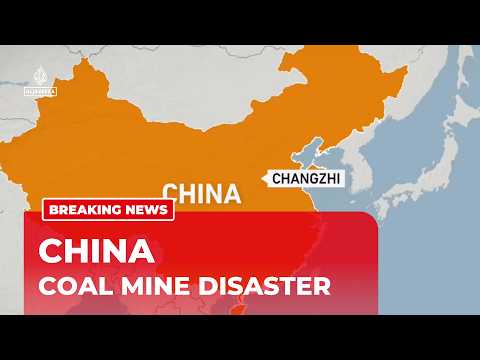
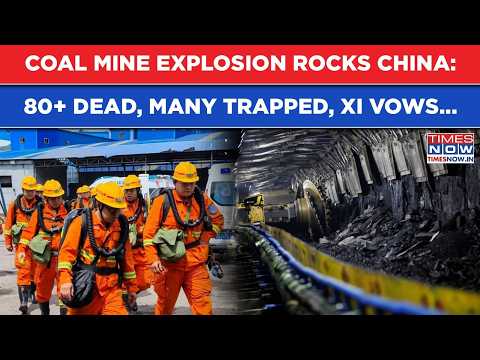
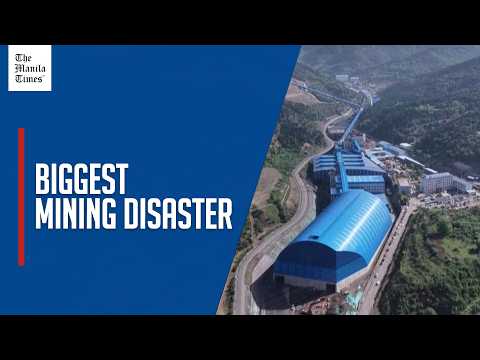
A gas explosion ripped through the Liushenyu coal mine in Shanxi Province on the evening of May 22, when 247 workers were underground. By the next day, state media reported roughly 90 dead, more than 100 hospitalized, and the mine's executives in detention.

The mine was already on a list. In 2024, China's National Mine Safety Administration named it among 1,128 sites with 'severe safety hazards.' Coal still produces most of China's electricity, and the gap between knowing a mine is dangerous and stopping it from killing people is now Xi Jinping's problem.

Why it matters

China runs most of its power grid on coal, and the deadliest mine disaster in 16 years happened at a site regulators had already flagged.

Key Indicators

~90
Confirmed dead
Death toll reported by Xinhua on May 23; rescuers still searching.
247
Workers underground at blast
At least 201 were evacuated by dawn on May 23.
1,128
Mines flagged as severe-hazard in 2024
Liushenyu was on this National Mine Safety Administration watchlist.
16+ years
Since China's last deadlier mine disaster
The 2009 Xinxing explosion in Heilongjiang killed 108.
~55%
Share of China's electricity from coal
Coal is still the backbone of the grid despite a fast renewables build-out.

Voices

Curated perspectives — historical figures and your fellow readers.

Ever wondered what historical figures would say about today's headlines?

Sign up to generate historical perspectives on this story.

Play

Exploring all sides of a story is often best achieved with Play.

Log in to play. Track your picks, climb the leaderboards. Log in Sign Up
Predict 4 ways this could play out. Contrarian picks score more — points lock when the scenario resolves. Log in to play
Higher or Lower Two numbers from this story. Guess which is bigger. 5 rounds to set a streak. Log in to play
Timeline Five events from this story — drag them oldest to newest. Log in to play
Connections Sixteen names from the news. Find the four hidden groups of four. Log in to play

People Involved

Organizations Involved

Timeline

January 2024 May 2026

6 events Latest: Yesterday
Tap a bar to jump to that date
  1. Rescue operation expands

    Latest Response

    At least 201 workers are evacuated. Six rescue teams and roughly 400 people work the shaft.

  2. Death toll climbs to about 90

    Casualty update

    Xinhua reports roughly 90 dead and more than 100 hospitalized, making this the deadliest Chinese mine disaster in 16+ years.

  3. Carbon monoxide alarm at the mine

    Incident

    Local authorities are alerted that an underground CO sensor at Liushenyu has triggered, indicating gas levels above limits.

  4. Gas explosion underground

    Incident

    An explosion tears through the mine while 247 workers are below ground. Initial reports put the dead at 8.

  5. Liushenyu mine named on national hazard list

    Regulatory

    China's National Mine Safety Administration includes Liushenyu among 1,128 sites cited for severe safety hazards.

Historical Context

3 moments from history that rhyme with this story — and how they unfolded.

November 2009

Xinxing mine explosion, Heilongjiang (2009)

A gas blast at the state-run Xinxing mine near Hegang killed 108 workers when 528 were underground. A preliminary probe blamed trapped pressurized gas and poor ventilation. Then-President Hu Jintao and Premier Wen Jiabao publicly directed the rescue.

Then

The mine's director, vice director, and chief engineer were removed. Prosecutors opened a criminal negligence investigation.

Now

Beijing tightened safety rules, shut thousands of smaller and illegal mines, and built a more centralized inspection regime that eventually became the National Mine Safety Administration in 2021.

Why this matters now

Xinxing was the last Chinese mine disaster deadlier than Liushenyu. It is the template Beijing uses for executive prosecution and structural reform after a high-casualty blast.

February 2005

Sunjiawan mine explosion, Liaoning (2005)

A gas explosion at the state-owned Sunjiawan mine in Fuxin killed 214 miners, the deadliest single Chinese coal accident of the 2000s. It came in a year that also saw the Daxing flood (123 dead) and Dongfeng blast (around 170 dead).

Then

Top mine managers were sacked; the State Administration of Work Safety was strengthened and given new powers.

Now

The 2005 wave triggered the first sustained national push to close small private mines and consolidate the sector around larger state operators.

Why this matters now

Sunjiawan shows that even big, state-run mines have been the worst killers in China. That weakens the easy argument that Liushenyu is a private-sector outlier.

August 2015

Tianjin port chemical explosions (2015)

Warehouse blasts at the port of Tianjin killed 173 people, mostly firefighters and residents. The operator was found to have stored hazardous chemicals in violation of zoning and safety law, with local officials taking bribes to look away.

Then

Forty-nine people were convicted, including the company's chairman and senior Tianjin port and work-safety officials.

Now

It became the standard reference case for how Chinese disasters with known regulatory red flags can produce a wave of prosecutions reaching well beyond the company.

Why this matters now

Liushenyu shares Tianjin's central feature: regulators had documented the hazard before the blast. That fact pattern historically pulls local officials, not just company executives, into the prosecution.

Sources

(6)