


Pull to refresh
Logo
China's central bank cuts rates and shifts to an overnight benchmark

China's central bank cuts rates and shifts to an overnight benchmark

Money Moves

A new 1.25% overnight policy rate and lower lending costs aim to revive weak household and corporate borrowing.

Overview

Updated 40 minutes ago

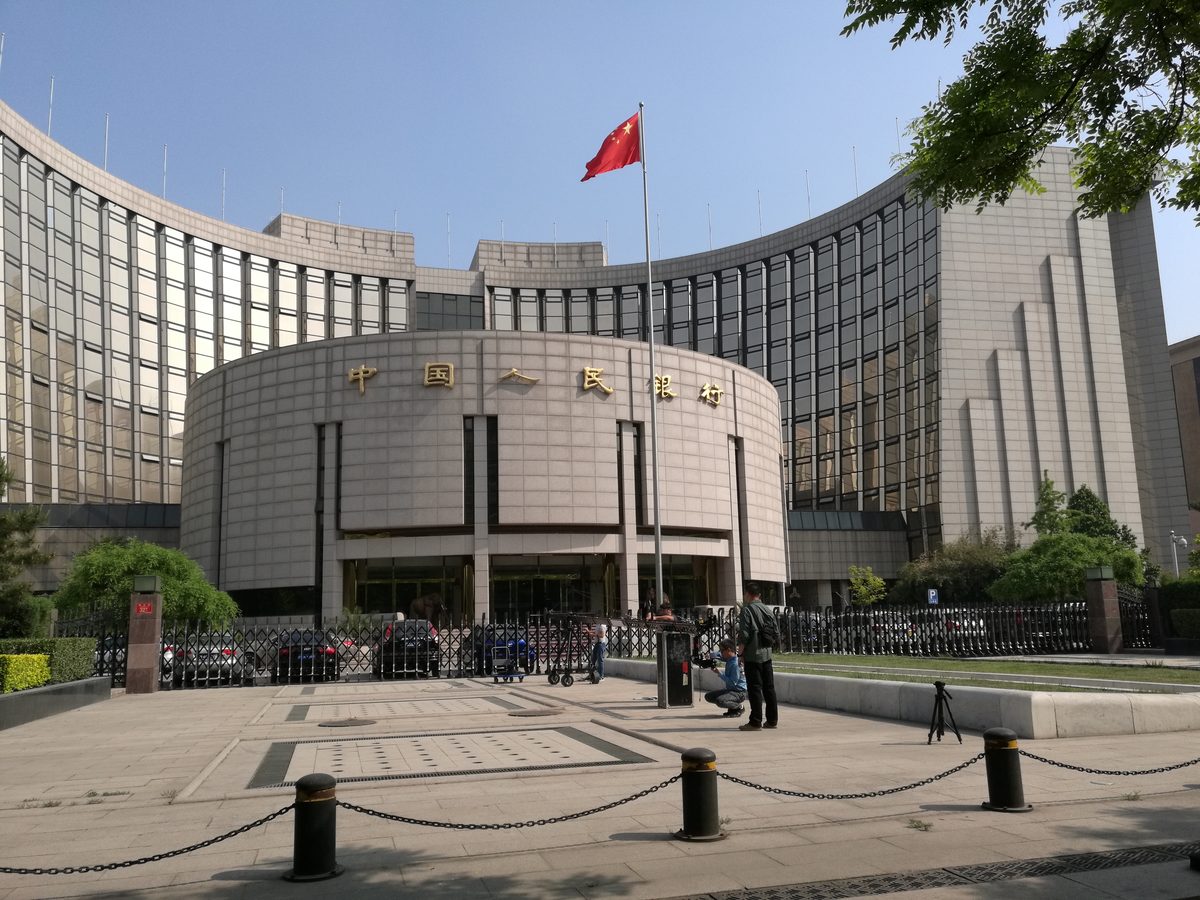
China's central bank lowered its policy lending rates on November 16, two weeks after moving the anchor for its main policy rate to an overnight reverse repurchase rate of 1.25%. The change lowers the floor of the country's interest-rate framework by 15 basis points, making overnight funding cheaper for banks.

The easing targets weak demand. New yuan loans shrank by 100 billion yuan in October, the third decline this year, while retail sales grew 2.1% and the economy expanded 4.2% against a 5% target. Cheaper credit only helps if households and firms feel secure enough to borrow.

Why it matters

China's rate cuts lower borrowing costs across the world's second-largest economy, but weak demand means cheaper loans may not become spending.

Questions about this story

Free account needed to ask — your question is kept and asked for you right after sign-up. Answers are public.

No questions yet — be the first to ask.

Key Indicators

1.25%
New overnight policy rate
The PBoC's benchmark overnight reverse repo rate, effective November 2.
4.2%
Third-quarter GDP growth
Year-on-year, below the official 5% target.
2.1%
October retail sales growth
Year-on-year, showing weak household demand.
−100B yuan
October net new yuan loans
Loans shrank for the third time in 2026.
1.00–1.50%
Interest-rate corridor
Lowered by 15 basis points in the framework shift.

Voices

Curated perspectives — historical figures and your fellow readers.

Sign up to generate historical perspectives on this story.

People Involved

Organizations Involved

Timeline

June 2026 November 2026

7 events Latest: Yesterday
Tap a bar to jump to that date
  1. PBoC lowers primary lending rates

    Latest Policy

    The central bank cut rates to encourage borrowing and counter weak consumer spending.

  2. October data shows new yuan loans shrank

    Economic data

    New loans fell by 100 billion yuan, the third decline of 2026.

  3. Quarterly report pledges appropriately loose policy

    Report

    The PBoC said it would adjust tools in a timely manner and support demand.

  4. PBoC shifts main policy rate, injects 541 billion yuan

    Policy

    The central bank conducted overnight reverse repos at 1.25%.

  5. PBoC confirms 1.25% overnight rate

    Policy

    The new benchmark was set to take effect on November 2.

  6. Governor Pan outlines shift to overnight policy rate

    Statement

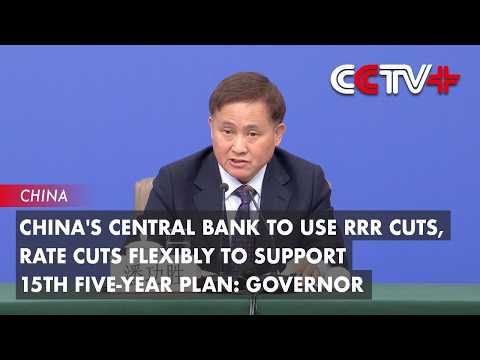
    At the Financial Street Forum, Pan Gongsheng described a new benchmark and liquidity tool.

  7. PBoC narrows rate corridor and starts routine overnight repos

    Policy

    The central bank cut its corridor to 50 basis points and began regular overnight operations.

Scenarios

1

PBoC cuts policy rates again in 2027

Likely Resolves by Q2 2027

Discussed by: Citi analysts, cited by Reuters

Citi said it sees 2027 as the more likely window for rate cuts, arguing the November move was a mark-to-market adjustment rather than a de facto cut. Continued credit stress from developers such as Zhuhai Huafa would keep liquidity loose and add pressure for more easing.

2

New loans keep shrinking into 2027

Possible Resolves by Q1 2027

Discussed by: Reuters, citing PBoC credit data

October new yuan loans shrank for the third time in 2026 as households and firms stayed cautious. If cheaper credit does not reverse that, the easing will have failed to restart borrowing.

3

PBoC creates a backstop for non-bank redemptions

Possible Resolves by Q2 2027

Discussed by: J.P. Morgan Asset Management

Governor Pan flagged a new liquidity tool to help non-bank institutions handle large redemptions and reduce bond-market instability. If deployed, it would extend the central bank's safety net beyond commercial banks.

Historical Context

2 moments from history that rhyme with this story — and how they unfolded.

August 2019

Loan prime rate reform (2019)

The People's Bank of China introduced a revamped loan prime rate tied to its medium-term lending facility, aiming to make lending costs more responsive to policy. The old benchmark lending rate was eventually retired.

Then

The new rate edged lower and became the reference for many corporate loans.

Now

The loan prime rate became China's main loan pricing benchmark, though transmission to actual borrowing costs stayed uneven.

Why this matters now

The overnight rate shift is the same kind of framework change: moving the anchor so policy rates pass through faster to real borrowing costs.

2015

China's 2015 easing cycle

Facing a growth slowdown and stock-market turmoil, the People's Bank of China cut benchmark interest rates five times and lowered reserve requirements. The yuan was devalued in August 2015.

Then

Credit rebounded and property prices rose in major cities.

Now

The stimulus added to corporate debt and housing inventory, setting up a later deleveraging campaign.

Why this matters now

It shows how cheap credit can revive activity quickly but leave lasting balance-sheet problems, a trade-off behind today's more cautious easing.

Sources

(7)