
Pull to refresh
Logo
China's economy rebounds to 4.5% growth in third quarter

China's economy rebounds to 4.5% growth in third quarter

Money Moves

AI-driven exports carry a lopsided recovery as retail spending and property stay weak

Yesterday: Q3 GDP beats forecasts at 4.5%

Overview

Updated 1 hour ago

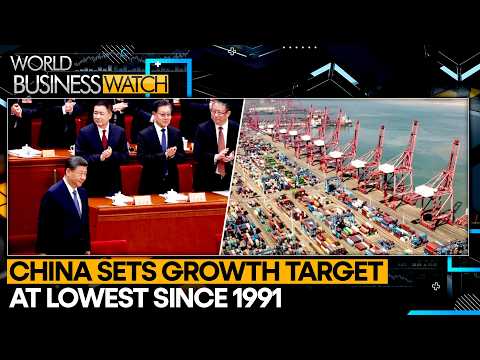
China's economy grew 4.5% in the third quarter of 2026, beating the 4.4% forecast and lifting first-nine-month growth to 4.6%. That puts the full year inside Beijing's 4.5%-5% target range, provided the fourth quarter holds up.

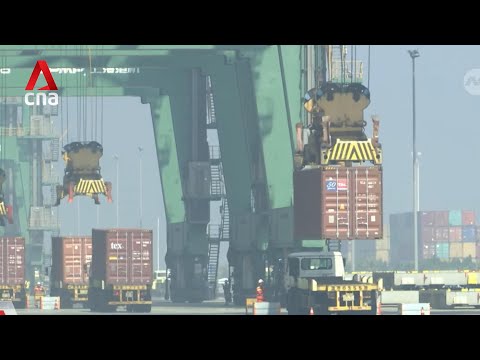
The recovery is lopsided. September exports jumped 29.6% year on year on AI hardware demand, while retail sales rose just 1.1% and property investment fell 20.6% over the first nine months. Households are still saving rather than spending after years of falling home prices.

The central question for 2027 is whether Beijing can turn this export-led momentum into self-sustaining domestic demand. A cooling AI investment cycle and an EU deal to curb Chinese hybrid-vehicle exports are the biggest risks to the trade engine.

Why it matters

The world's second-largest economy now depends on AI-driven exports while households hold back — a balance that shapes global trade tensions and 2027 growth.

Questions about this story

Free account needed to ask — your question is kept and asked for you right after sign-up. Answers are public.

No questions yet — be the first to ask.

Key Indicators

4.5%
Q3 2026 GDP growth, year on year
Beat the 4.4% median forecast; up from 4.3% in the second quarter.
4.6%
GDP growth, first nine months of 2026
First-nine-month pace sits inside the official 4.5%-5% annual target.
29.6%
September exports growth, year on year
Exports of 3.03 trillion yuan powered by global AI hardware demand.
1.1%
September retail sales growth, year on year
Came in ahead of the 0.6% forecast but far below pre-downturn norms.
-20.6%
Jan-Sep property investment growth, year on year
Worse than the 19.9% drop in the first eight months; no floor in sight.
5.2%
September surveyed urban jobless rate
Improved from 5.3% in August, a rare bright spot in the labor market.

Voices

Curated perspectives — historical figures and your fellow readers.

Ever wondered what historical figures would say about today's headlines?

Sign up to generate historical perspectives on this story.

People Involved

Organizations Involved

Timeline

2025 October 2026

5 events Latest: Yesterday
Tap a bar to jump to that date
  1. Q3 GDP beats forecasts at 4.5%

    Latest Economic data

    Q3 data shows 4.5% GDP growth, beating forecasts, as AI-driven exports surge.

  2. Q2 growth slows to 4.3%

    Economic data

    Second-quarter GDP growth slows to 4.3%, a more-than-three-year low.

  3. Q1 GDP grows 5.0%

    Economic data

    First-quarter GDP grows 5.0% year on year, the strongest pace of 2026.

  4. PBOC cuts policy rate

    Monetary policy

    China's central bank cuts its policy rate for the last time; rates hold steady through 2026.

  5. 2025 growth reaches 5.0%

    Economic data

    China's economy grows 5.0% for the full year, setting the baseline for the 2026 target.

Scenarios

1

China closes out 2026 inside its growth target

Likely Resolves by Feb 15, 2027

Discussed by: Reuters; Bloomberg-surveyed economists

The Q3 beat and strong September exports carry the fourth quarter. Full-year 2026 growth lands within the 4.5%-5% target when the NBS releases annual data in January 2027. First-nine-month growth already sits at 4.6%, so the fourth quarter needs limited momentum to deliver the target.

2

AI export boom cools and China misses the target

Possible Resolves by Feb 15, 2027

Discussed by: Reuters, which flags cooling AI investment demand and the EU hybrid-vehicle deal

A slowdown in global AI capital spending cuts demand for chips, servers, and components — the biggest engine of China's export surge. The EU pact to curb Chinese hybrid-vehicle shipments adds another headwind. With domestic demand still weak, full-year growth slips below 4.5%.

3

Beijing rolls out a new fiscal stimulus package

Possible Resolves by End of 2026

Discussed by: ANZ's Xing Zhaopeng; moneycontrol reporting on the policy debate

The policy debate shifts from monetary to fiscal. The PBOC holds rates while the government boosts spending to lift domestic demand and stabilize property. A package could emerge from the National People's Congress Standing Committee session in late October or from 2027 budget work in early January.

Historical Context

3 moments from history that rhyme with this story — and how they unfolded.

November 2008 - 2009

China's 4 trillion yuan stimulus (2008-2009)

When the global financial crisis crushed China's exports, Beijing launched a 4 trillion yuan (about $586 billion) stimulus in November 2008, flooding credit into infrastructure and property. Growth rebounded to 9.4% in 2009, among the fastest in the world.

Then

The package pulled growth back above 9% within a year and kept millions employed.

Now

It left local governments and banks with heavy debt that took years to unwind and cemented a reliance on investment over consumption.

Why this matters now

In 2008 the shock came from collapsed exports and the fix was stimulus. Today exports are the bright spot and the weak link is domestic demand — the opposite problem, raising the question of whether Beijing must now stimulate consumption directly.

1991 - 2000s

Japan's asset-price bust (1990s)

Japan's real estate and stock bubbles burst in 1990-91, wiping out household wealth and leaving banks with enormous bad loans. Home prices fell for more than a decade and consumers stopped spending.

Then

Growth collapsed and Japan entered a balance-sheet recession where households and firms paid down debt instead of spending.

Now

Deflation and weak consumption persisted for two decades, a cautionary tale for any economy with a property-led wealth shock.

Why this matters now

China's property downturn since 2021 has cut existing home prices about 40%, squeezing household wealth and lifting savings. The parallel with Japan highlights the risk of a prolonged drag on consumption.

June 2015 - 2016

China's 2015-2016 slowdown

After years of debt-fueled investment, growth slowed and a stock-market crash in mid-2015 triggered capital outflows and depreciation pressure on the yuan. Beijing responded with currency management, capital controls, and later stimulus.

Then

The authorities stabilized markets and prevented a disorderly capital flight.

Now

The episode showed both the reach and the limits of China's policy toolkit when internal demand weakens.

Why this matters now

It is the clearest recent case of how Beijing handles a demand shortfall — combining exchange-rate control, managed deleveraging, and eventual stimulus — the same levers likely to be tested again into 2027.

Sources

(8)