

Pull to refresh
Logo
China’s mangrove restoration expands coastal bird habitat

China’s mangrove restoration expands coastal bird habitat

Built World

A 22-year study links a 166% increase in mangrove area to a rise from 148 to 397 recorded bird species.

Overview

Updated 1 hour ago

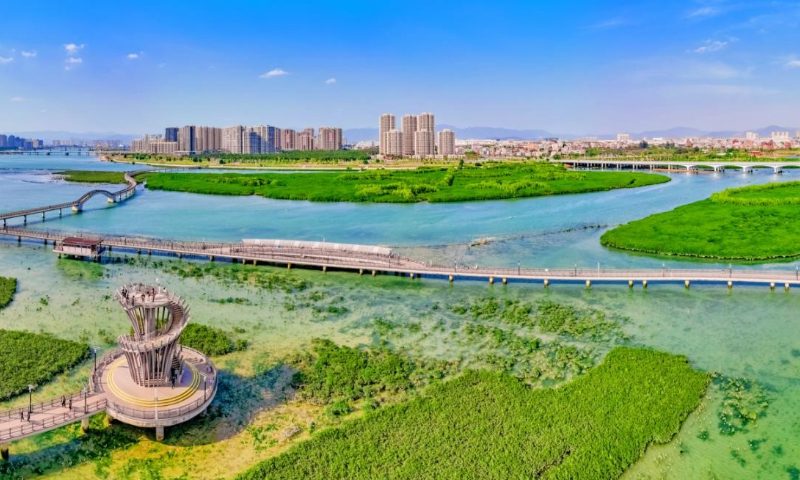
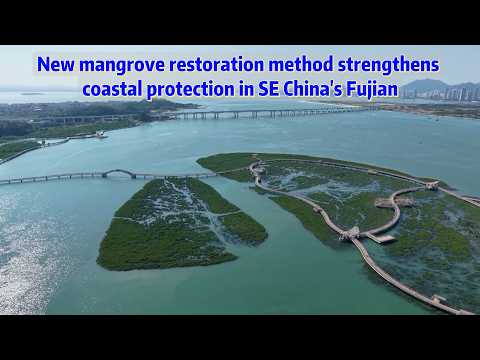
China lost roughly half its mangroves in the second half of the 20th century. By 1998, the remaining stands covered 10,617 hectares. By 2020, they covered 28,194 hectares, a 166% increase.

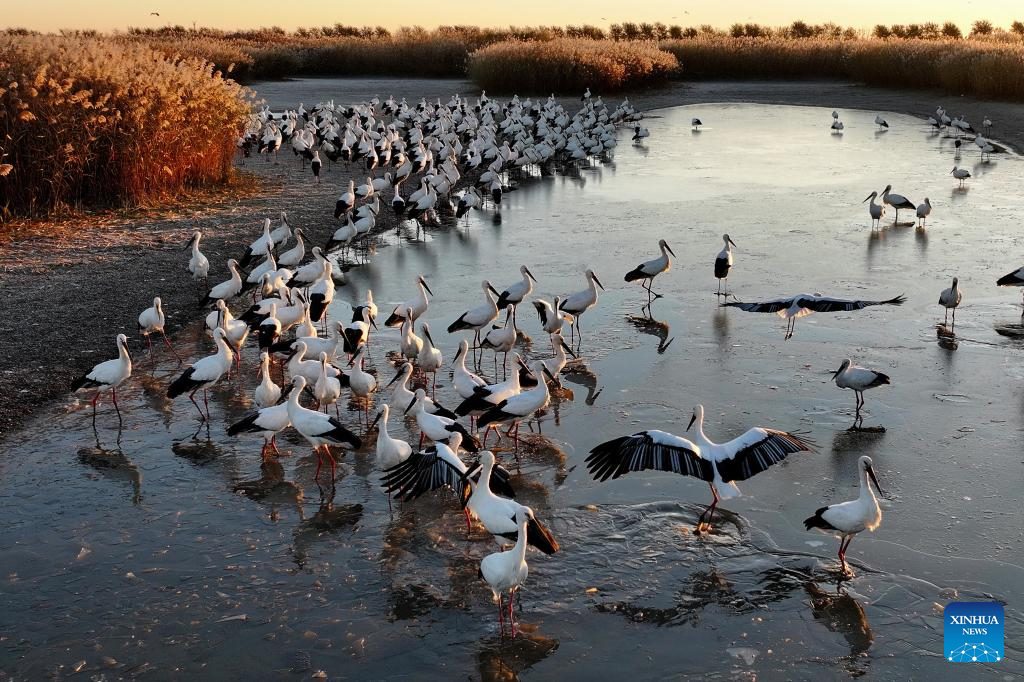
A study in The Innovation used 22 years of bird records to test whether that restoration changed ecosystem function. Recorded bird species rose from 148 to 397, and threatened species on the International Union for Conservation of Nature (IUCN) Red List rose from 11 to 21.

Why it matters

The study offers evidence that coastal restoration can raise biodiversity, but it also shows the gains depend on protecting mudflats and young mangrove edges.

Questions about this story

Free account needed to ask — your question is kept and asked for you right after sign-up. Answers are public.

No questions yet — be the first to ask.

Key Indicators

166%
Mangrove area growth, 1998–2020
China’s mangrove area rose from 10,617 hectares to 28,194 hectares over 22 years.
28,194 ha
Mangrove area in 2020
The study’s final-year estimate for China’s mangrove coverage.
397
Recorded bird species in 2020
Up from 148 species recorded in 1998.
21
Recorded threatened bird species in 2020
Up from 11 species on the IUCN Red List in 1998.
31,700 ha
National mangrove area in 2025
A national land use survey reported a 44% increase since the start of the century.

Voices

Curated perspectives — historical figures and your fellow readers.

Sign up to generate historical perspectives on this story.

Organizations Involved

Timeline

1998 November 2026

5 events Latest: 2 days ago
Tap a bar to jump to that date
  1. Study links mangrove expansion to bird diversity

    Latest Research

    The Innovation published a 22-year analysis of mangrove area and avian records.

  2. National mangrove area reaches 31,700 hectares

    Policy

    A national land use survey reported a 44% increase since the start of the century.

  3. Mangrove area reaches 28,194 hectares

    Restoration

    Recorded bird species rose to 397 and threatened species to 21.

  4. Largest five-year mangrove gain

    Restoration

    Mangrove area rose by 6,715 hectares from 2003 to 2008.

  5. Mangrove baseline recorded

    Baseline

    China’s mangrove area stood at 10,617 hectares.

Scenarios

1

China’s mangrove area passes 40,000 hectares by 2030

Possible Resolves by End of 2030

Discussed by: National Forestry and Grassland Administration surveys

If restoration and protection policies continue at the pace reported in 2025, China’s national mangrove area could exceed 40,000 hectares by the end of the decade. The 2025 survey already showed 31,700 hectares, up 44% from the start of the century.

2

Follow-up study finds shorebird declines as mangrove canopy closes

Possible Resolves by End of 2028

Discussed by: The Innovation study authors and coastal ecologists

The study notes that shorebirds and other waterbirds favor open mudflats and young mangrove edges. As mangrove coverage and stand density increase, those open foraging areas could shrink, reducing habitat for birds that feed on benthic animals.

3

China designates mudflats for protection alongside mangroves

Uncertain Resolves by End of 2027

Discussed by: Coastal restoration researchers

The study’s finding that young mangroves and open mudflats support different bird groups points to a policy question: whether China will protect intertidal mudflats as part of coastal restoration, not just the trees.

Historical Context

2 moments from history that rhyme with this story — and how they unfolded.

1900s–1990s

Global mangrove loss (20th century)

Over the past half-century, about one-third of the world’s mangroves were lost. Coastal development, aquaculture and land conversion drove the decline across tropical and subtropical coastlines.

Then

Mangrove-dependent wildlife lost habitat, and coastal communities lost storm buffers and water filtration.

Now

Global restoration efforts increased, but many countries still struggle to reverse mangrove loss.

Why this matters now

China’s 166% increase from 1998 to 2020 runs against the global trend of mangrove decline.

2000s–2020s

China’s mangrove protection policies (2000s–2020s)

China implemented targeted mangrove restoration policies to comply with international conventions. The policies supported planting, protection and restrictions on coastal development.

Then

Mangrove area expanded in Guangdong, Hong Kong, Macao and Guangxi, which accounted for over 88% of national growth.

Now

The national mangrove area reached 31,700 hectares by 2025, and researchers linked the expansion to higher bird diversity.

Why this matters now

The study tests whether those policy-driven restoration efforts improved ecosystem function, using birds as an ecological proxy.

Sources

(4)