

Pull to refresh
Logo
Niger Delta women restore millions of mangroves to oil-damaged wetlands

Niger Delta women restore millions of mangroves to oil-damaged wetlands

Built World

Community-led effort revives fish and crabs in wetlands stripped by oil pollution

October 2nd, 2026: 3 million mangroves, 190 hectares restored

Overview

Updated 1 hour ago

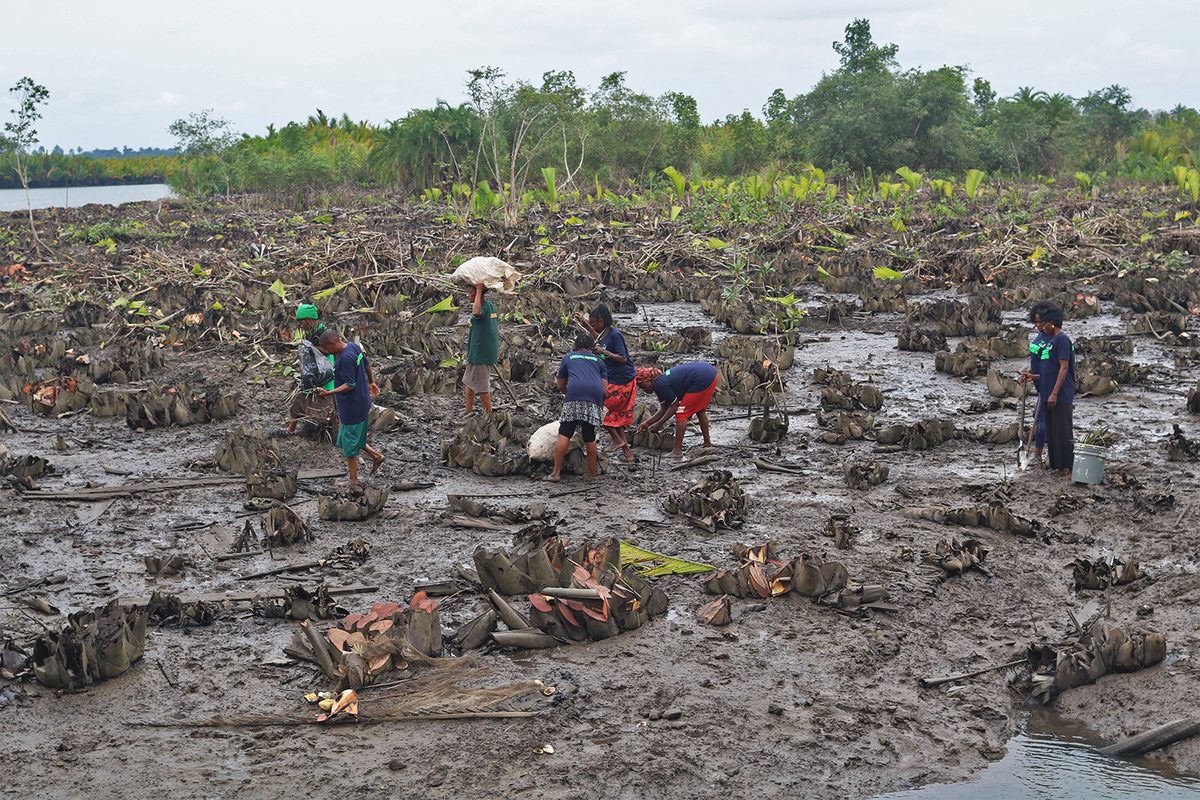
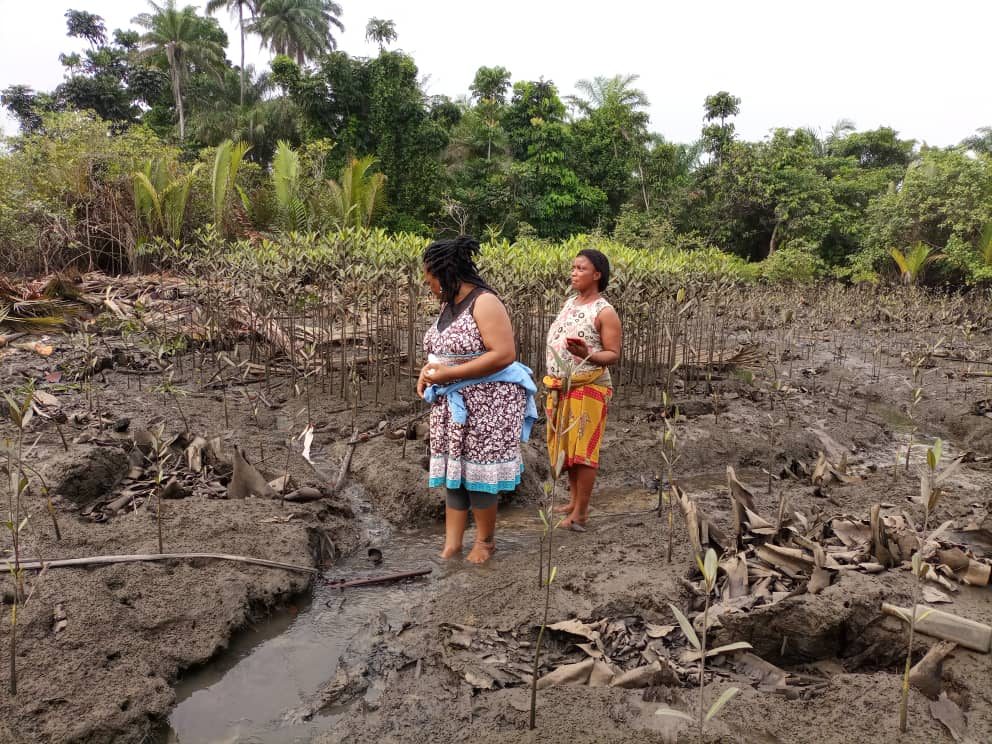
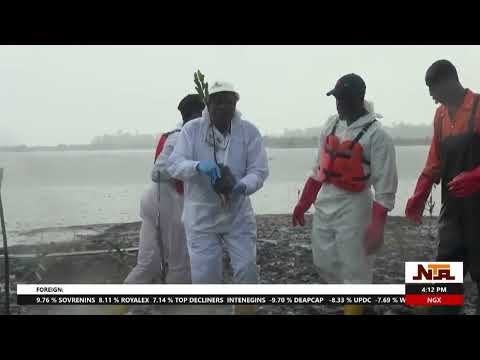
Periwinkles, crabs, and fish are back in Ogoniland's creeks after years without them. Women planted 3 million mangrove saplings to restore 190 hectares of swamp forest that oil pollution had stripped bare.

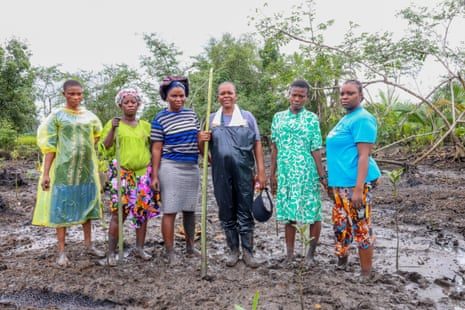
The effort is led by the Lokiaka Community Development Centre, founded in 2003 by Martha Agbani, and has trained more than 400 Ogoni women in restoration work. Sapling survival runs 80 to 96 percent, and the government has hired some trained women for its own rehabilitation projects. Whether the model spreads depends on funding, monitoring, and an end to the oil spills that caused the damage.

Why it matters

If the mangroves survive, Niger Delta fisheries recover and coastal communities regain lost livelihoods — a model for oil-affected regions worldwide.

Questions about this story

Free account needed to ask — your question is kept and asked for you right after sign-up. Answers are public.

No questions yet — be the first to ask.

Key Indicators

3,000,000
Mangrove saplings planted
Planted since 2018 across Ogoniland swamps, including Bodo Creek, Yaataa, and Teenama.
190 hectares
Swamp forest restored
Bare swamp land brought back to green by the Lokiaka Centre since 2018.
400+
Women trained
Ogoni women trained in mangrove restoration and biodiversity management across four communities.
80-96%
Sapling survival rate
Lokiaka's own estimate of survival for planted trees depending on site conditions.

Voices

Curated perspectives — historical figures and your fellow readers.

Ever wondered what historical figures would say about today's headlines?

Sign up to generate historical perspectives on this story.

People Involved

Organizations Involved

Timeline

2003 October 2026

6 events Latest: October 2nd, 2026 · 1 week ago
Tap a bar to jump to that date
  1. 3 million mangroves, 190 hectares restored

    Latest Milestone

    Lokiaka reaches 3 million mangroves planted and 190 hectares of swamp forest restored; 400+ women trained. Fish and shellfish return to creeks.

  2. 2.6 million mangroves counted

    Milestone

    Lokiaka reports 2.6 million mangroves planted since 2018 and about 300 women trained in reforestation.

  3. Project expands to new site

    Milestone

    More than 100 women planters join the launch of restoration work at a new site, clearing invasive nipa palms.

  4. Planting starts in Ogoniland

    Milestone

    Restoration planting begins in swamps in Bodo Creek, Yaataa, and Teenama in Ogoniland.

  5. Mangrove training begins

    Program

    Lokiaka begins training women affected by oil spills in mangrove reforestation across four Ogoni communities.

  6. Lokiaka Centre founded

    Founding

    Martha Agbani establishes the Lokiaka Community Development Centre to support female Ogoni farmers after her mother's death.

Scenarios

1

Niger Delta mangrove restoration expands beyond Ogoniland

Possible Resolves by End of 2027

Discussed by: The Guardian, African Leadership Magazine

The Guardian notes Agbani's success has drawn attention across the oil-affected Niger Delta. Expansion would require sustained funding, continued monitoring, and no major new spills. Government bodies like HYPREP hiring more women trained by Lokiaka would signal the model is being adopted.

2

New oil spills damage restored mangrove wetlands

Possible Resolves by End of 2027

Discussed by: FairPlanet, African Leadership Magazine

Conservation groups cite ongoing oil spills as a threat to restoration that nonprofits cannot control. A significant spill in a restored area would reverse gains, killing trees, fish, and the income they support. African Leadership Magazine notes that community restoration cannot substitute for addressing the pollution that caused the damage.

3

Blue carbon credits fund large-scale Niger Delta restoration

Possible Resolves by End of 2027

Discussed by: African Leadership Magazine

Blue carbon projects could fund restoration by selling carbon credits from restored mangroves. Credible projects require evidence that trees survive, ecosystems stay protected, and communities keep access to benefits. No such project is registered yet in the Niger Delta, and African Leadership Magazine cautions that a large planting figure does not automatically translate into equivalent climate benefit.

Historical Context

2 moments from history that rhyme with this story — and how they unfolded.

1977 onward

Green Belt Movement (1977)

Wangari Maathai founded the Green Belt Movement in Kenya, organizing women to plant trees to combat deforestation and soil erosion. The movement planted tens of millions of trees while paying rural women a small stipend for raising seedlings.

Then

Restored forests in degraded areas across Kenya and gave rural women a source of income.

Now

Maathai won the Nobel Peace Prize in 2004, and the movement became a global model for community-led reforestation.

Why this matters now

Both projects show that women-led tree planting can restore degraded environments and rebuild livelihoods at the same time.

March 1989

Exxon Valdez oil spill (1989)

The tanker Exxon Valdez spilled roughly 11 million gallons of crude oil into Alaska's Prince William Sound, killing seabirds, sea otters, and salmon. Cleanup crews removed some oil, but much remained in the environment for years.

Then

Wildlife populations crashed, and the cleanup cost billions while removing only a fraction of the oil.

Now

The spill demonstrated that oil damage persists for decades and that passive recovery alone is not enough.

Why this matters now

It frames why active restoration, not just stopping pollution, is needed to bring back ecosystems destroyed by oil.

Sources

(10)