0
what are some good examples of a few specific animals?
Tigers, bluefin tuna, southern African elephants, and green sea turtles are the report's headline examples of species that recovered under sustained, coordinated conservation.
Why it matters: They show targeted action can reverse steep declines, even as the overall average keeps falling.
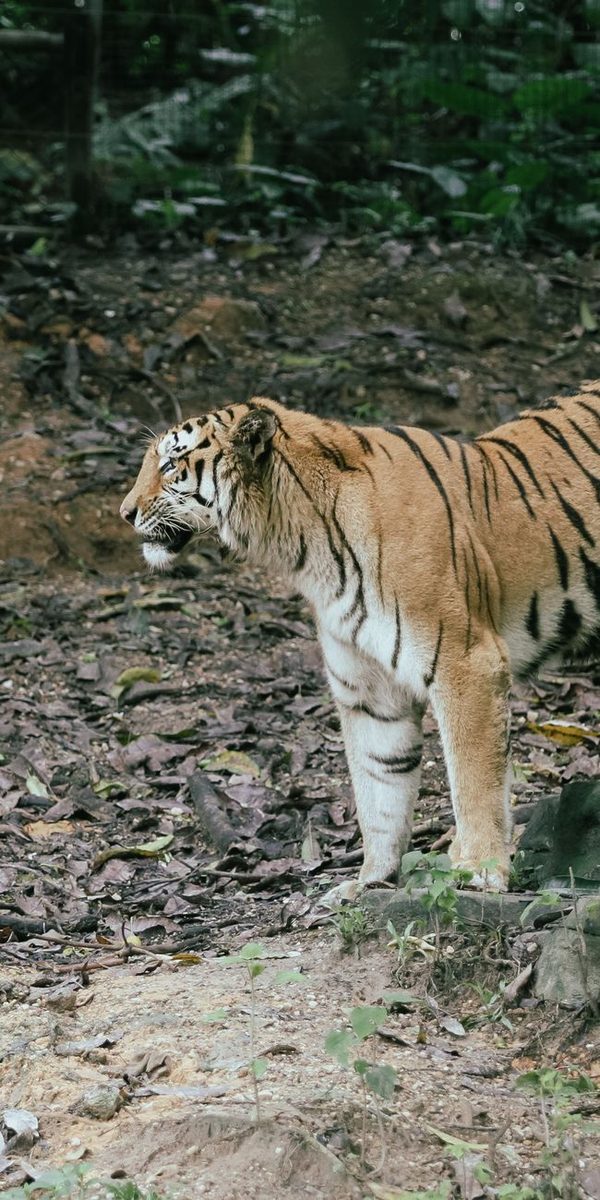
- Wild tigers: about 3,200 in 2010 to roughly 5,700 by 2025, up more than 70%, after national recovery plans, ranger units, protected areas, and anti-trafficking work; they still occupy less than 8% of their historic range.
- Atlantic bluefin tuna had fallen 80% by 2010; Pacific bluefin collapsed to 2% of unfished levels. Coordinated quotas, size limits, spawning-area protections, and dockside monitoring brought both back — neither is now considered overfished.
- Green sea turtles: downlisted from Endangered to Least Concern on the IUCN Red List in 2025, the first marine turtle to make that move, after 50 years of work across some 80 nesting countries; monitored nesting rose from about 419,000 clutches in 2011 to roughly 526,000 in 2024.
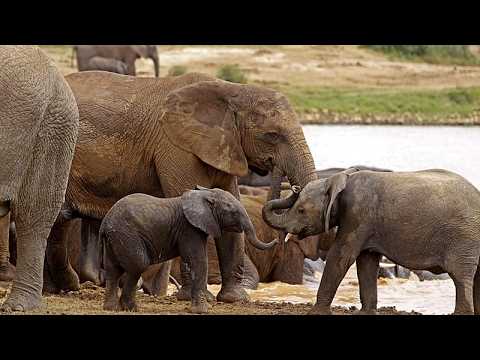
- Southern African elephants: stable or growing in places where local communities lead land management through community-based natural resource management, though African savannah elephants remain Endangered overall.
Room for disagreement
- Some researchers caution the 73% headline is an average of monitored populations, not a measure of total animals lost; The Conversation notes many species aren't monitored at all, so the index may miss a large part of the picture.
- WWF uses the recoveries to argue for hope, but the report itself warns conservation alone cannot reverse the overall decline — it calls for transforming the food, energy, and finance systems driving habitat loss.
AI-generated with web search — may be wrong. Check the linked sources.