
Pull to refresh
Logo
Kindergarten owner sentenced to life in China lead paint poisoning case

Kindergarten owner sentenced to life in China lead paint poisoning case

Rule Changes

Six jailed after 247 children in Gansu were poisoned by food made with lead-laced paint pigments

Today: Court sentences six in lead poisoning case

Overview

Updated 4 hours ago

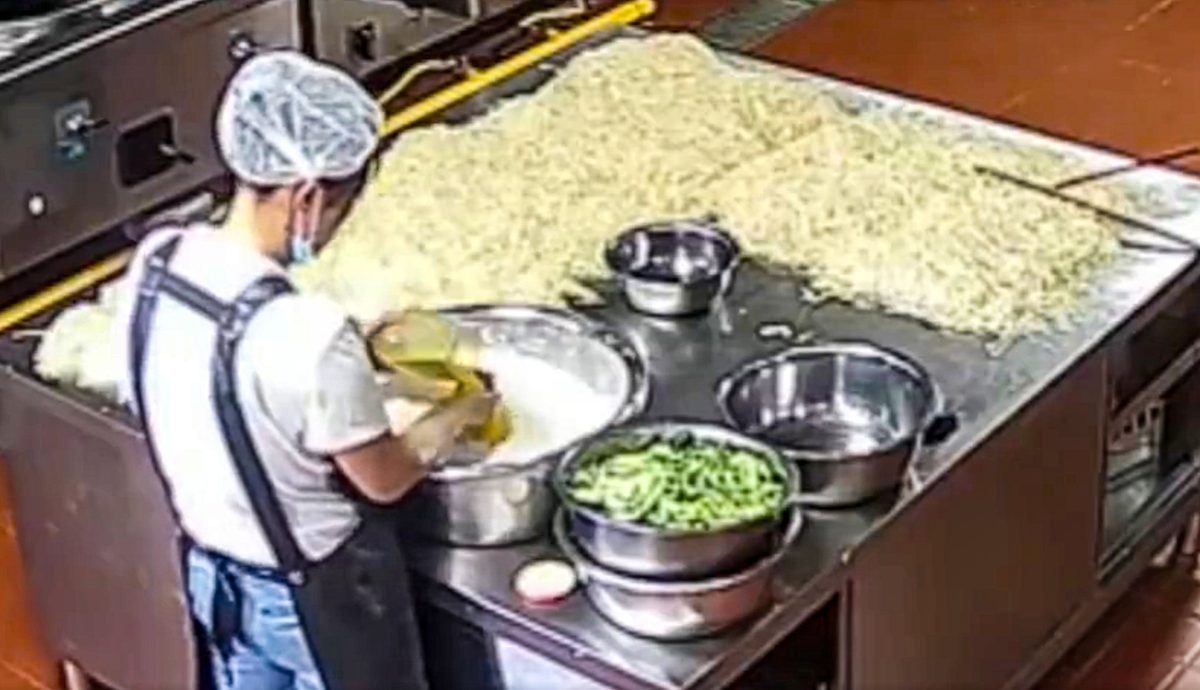
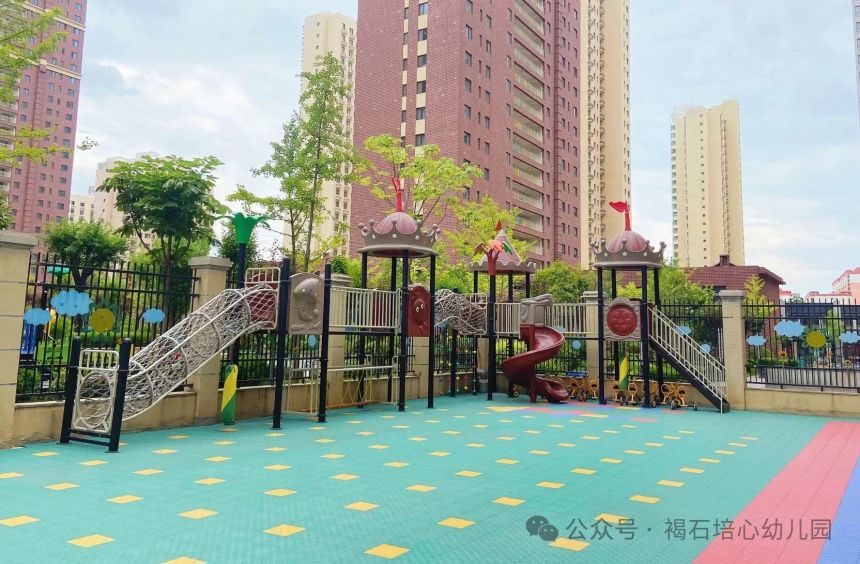
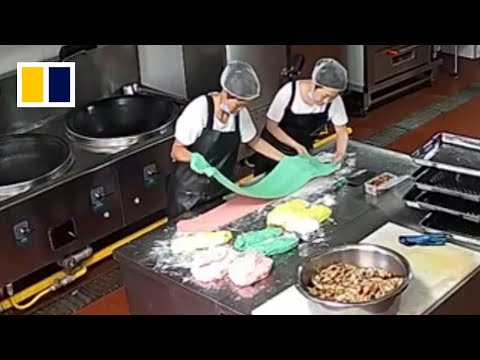
A court in western China sentenced the operator of a private kindergarten to life in prison for poisoning 247 children with lead-laced paint pigments. Staff mixed the inedible pigments into pastries to make meals look more colorful in photos used to recruit students.

The case is China's worst food-safety scandal involving children in nearly two decades. It exposed a cover-up that included bribed local officials and hospital staff who altered blood test results before the truth emerged.

Why it matters

Life sentences for poisoning school food change the calculus for China's thousands of private kindergartens that compete on meal appearance.

Questions about this story

Free account needed to ask — your question is kept and asked for you right after sign-up. Answers are public.

No questions yet — be the first to ask.

Key Indicators

247
Children with abnormal blood lead levels
Of 251 children tested at the kindergarten, 247 showed abnormal lead levels.
6
People sentenced
Operator, principal, and four kitchen workers convicted of producing and selling toxic food.
40.21%
Average drop in children's blood lead after treatment
Clinical evaluation showed treated children's lead levels fell by 40.21% on average.
2,000x
Food contaminant level above national safe limit
Food samples from the kindergarten exceeded China's national limit by more than 2,000 times.

Voices

Curated perspectives — historical figures and your fellow readers.

Ever wondered what historical figures would say about today's headlines?

Sign up to generate historical perspectives on this story.

People Involved

Organizations Involved

Timeline

May 2024 October 2026

4 events Latest: Today
Tap a bar to jump to that date
  1. Kitchen begins adding paint pigments to food

    Incident

    Staff begin serving pastries made with inedible lead pigments monthly.

Scenarios

1

Defendants appeal to Gansu High Court

Likely Resolves by Q2 2027

Discussed by: Standard practice in Chinese criminal cases; appeals routinely follow heavy first-instance sentences

The Lanzhou verdict was a first-instance ruling, so Li Huifang or co-defendants can appeal to the Gansu High People's Court. The high court can uphold, reduce, or overturn sentences. Chinese courts rarely overturn food-safety convictions of this severity, but an appeal would delay final resolution and could adjust individual sentences.

2

Affected families pursue compensation

Likely Resolves by End of 2027

Discussed by: Parents' activism documented in Chinese and international media coverage

Families of the 247 affected children push for compensation beyond criminal fines, covering medical costs and long-term care. Lead exposure can damage children's brains and nervous systems, so monitoring needs extend for years. Criminal fines go to the state, not victims, which pressures families to seek civil remedies.

3

National school food-safety rules tightened

Possible Resolves by End of 2027

Discussed by: Chinese state media and food-safety observers

The scandal could push the State Council or State Administration for Market Regulation to issue new binding food-safety rules for kindergartens and schools, including stricter inspections and penalties. China's food-safety law itself followed the 2008 melamine scandal, so high-profile poisoning cases have driven reform before. The Gansu provincial government has already pledged full support for children's medical care.

Historical Context

2 moments from history that rhyme with this story — and how they unfolded.

September 2008

Sanlu melamine scandal (2008)

Sanlu Group, one of China's largest dairy makers, added melamine to infant formula to fake higher protein readings on tests. Six infants died and roughly 300,000 were sickened before the company recalled its products.

Then

Sanlu went bankrupt. The company chairwoman got life in prison, and a dairy supplier who sold adulterated raw milk was executed.

Now

The scandal produced China's Food Safety Law of 2009 and became the benchmark for food-adulteration prosecutions.

Why this matters now

The same pattern of deliberate adulteration for profit, followed by harsh criminal sentences, appears in the kindergarten lead paint case. It is the benchmark against which this scandal's severity is measured.

2006

Tianshui industrial lead pollution (2006)

Two factories near Tianshui, the same city as the kindergarten, polluted the local water system, sickening more than 200 children with lead poisoning. The factories were shut down after the scandal.

Then

The factories closed, but no major criminal prosecutions were reported.

Now

The episode faded without the regulatory overhaul that followed the 2008 milk scandal, leaving enforcement gaps.

Why this matters now

It shows lead exposure has been a recurring threat in Tianshui, and that weak enforcement allowed a similar poisoning of children two decades later.

Sources

(8)