

Pull to refresh
Logo
Utah officials recall broccoli seeds linked to salmonella outbreak

Utah officials recall broccoli seeds linked to salmonella outbreak

Rule Changes Salt Lake City, UT local

Gardeners Basics product sold online across U.S. faces possible contamination

Today: Utah agriculture department issues public warning

Overview

Updated 1 hour ago

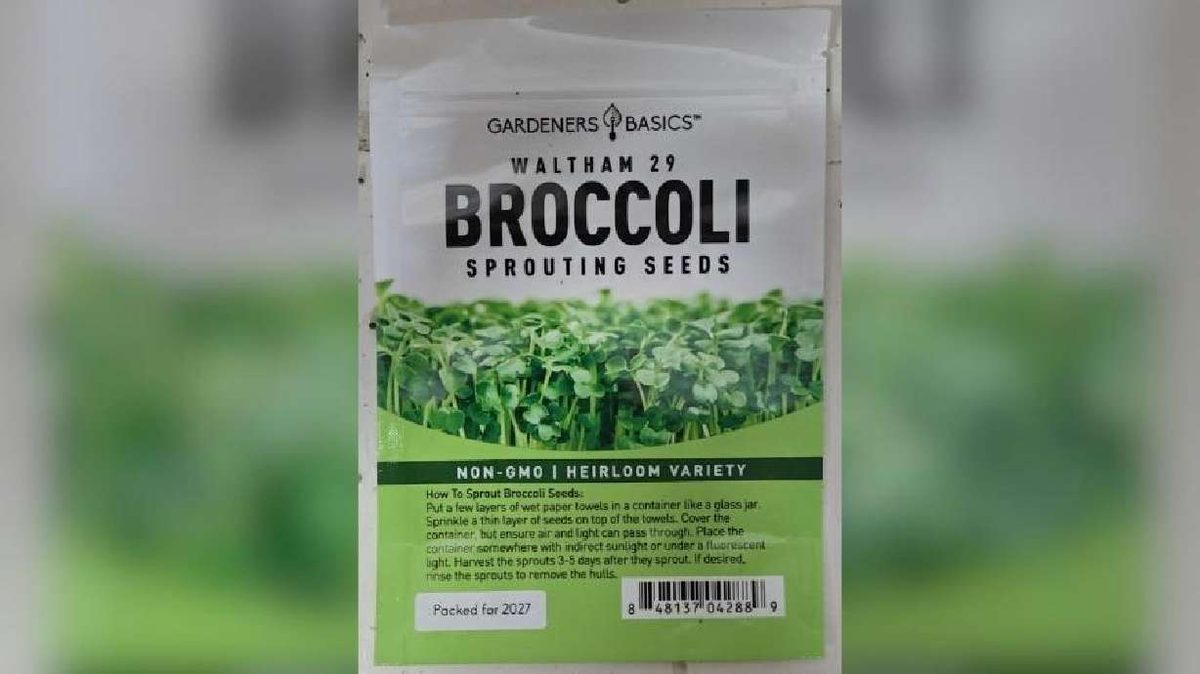
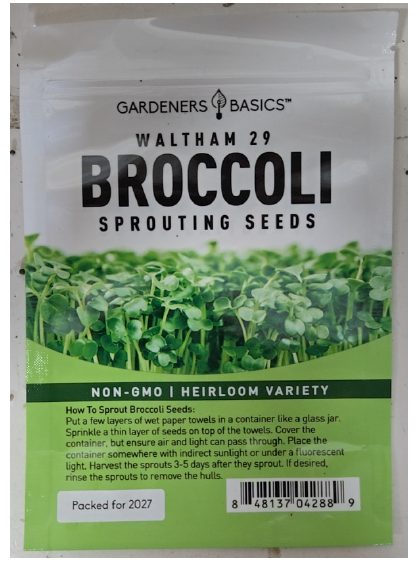
The Utah Department of Agriculture and Food issued a recall for one-pound bags of Gardeners Basics Waltham 29 Broccoli Sprouting Seeds after the U.S. Food and Drug Administration found salmonella in a bulk seed lot. The seeds were sold online nationwide through Amazon, TikTok Shop, Walmart, eBay, Etsy and the company's website.

The contamination is linked to a multistate salmonella outbreak that has sickened at least 32 people in six states. No illnesses have been reported directly from these seeds, but the FDA identified the lot as used by a sprout grower involved in the outbreak. Consumers are urged to discard the seeds and any sprouts grown from them.

Why it matters

Eating contaminated seeds or sprouts can cause salmonella infection, which is dangerous for children, the elderly and people with weakened immune systems.

Monday: what changed in Salt Lake City, UT

One short email a week with the openings, closings, permits and council votes we covered. Free. Unsubscribe in one click.

Questions about this story

Free account needed to ask — your question is kept and asked for you right after sign-up. Answers are public.

No questions yet — be the first to ask.

Key Indicators

32
Illnesses linked to outbreak
FDA investigation linked the seed lot to a multistate salmonella outbreak.
6
States affected by outbreak
At least six states have reported salmonella cases.
1 lb
Product weight
Recalled bags contain 1 pound (454g) of seeds.

Voices

Curated perspectives — historical figures and your fellow readers.

Ever wondered what historical figures would say about today's headlines?

Sign up to generate historical perspectives on this story.

People Involved

Organizations Involved

Timeline

September 2026 October 2026

3 events Latest: Today
  1. Utah agriculture department issues public warning

    Today Statement

    The Utah Department of Agriculture and Food urges residents to discard the recalled seeds and any sprouts grown from them.

  2. Gardeners Basics initiates recall

    Recall

    Company recalls one-pound bags of Waltham 29 Broccoli Sprouting Seeds after learning of the contamination. Sales stop.

  3. Supplier recalls seed lot after FDA detection

    Recall

    Gardeners Basics is notified that bulk broccoli seed lot #W4105 was recalled due to salmonella detected by the FDA.

Scenarios

1

No Further Illnesses Linked, Outbreak Declared Over

Likely Resolves by Mar 1, 2027

Discussed by: FDA recall notice and public health reporting

After the recall and public warnings, no additional salmonella cases are traced to these seeds. The FDA and CDC close the outbreak investigation, confirming the recall prevented further spread.

2

Outbreak Expands as More Cases Reported

Possible Resolves by Mar 1, 2027

Discussed by: Food Poisoning Bulletin and public health officials

Additional salmonella illnesses emerge in states beyond the original six, linked to the same seed lot. The recall proves insufficient, and regulators expand the investigation to other products or suppliers.

Historical Context

One moment from history that rhymes with this story — and how it unfolded.

May–July 2011

European E. coli Outbreak from Sprouts (2011)

A deadly E. coli outbreak in Germany sickened over 4,000 people and killed 53, ultimately traced to fenugreek seeds used to grow sprouts. Authorities initially misidentified the source, and the investigation took weeks.

Then

The recall of sprout seeds across Europe halted sales and led to widespread public caution about raw sprouts.

Now

The outbreak prompted tighter testing protocols for seed lots and highlighted the risk of sprout cultivation where contamination can multiply rapidly.

Why this matters now

Sprout seeds are a known vector for bacterial contamination because the warm, moist conditions used to germinate them also allow pathogens like salmonella to thrive. This recall underscores that even raw seeds carry risk and require rigorous screening.

Sources

(4)