

Pull to refresh
Logo
Chord Energy completes Marcellus sale, narrowing to the Williston Basin

Chord Energy completes Marcellus sale, narrowing to the Williston Basin

Money Moves

The $550 million sale to South Korea's POSCO International ends Chord's Appalachian gas business and tilts its production toward oil

Overview

Updated 2 hours ago

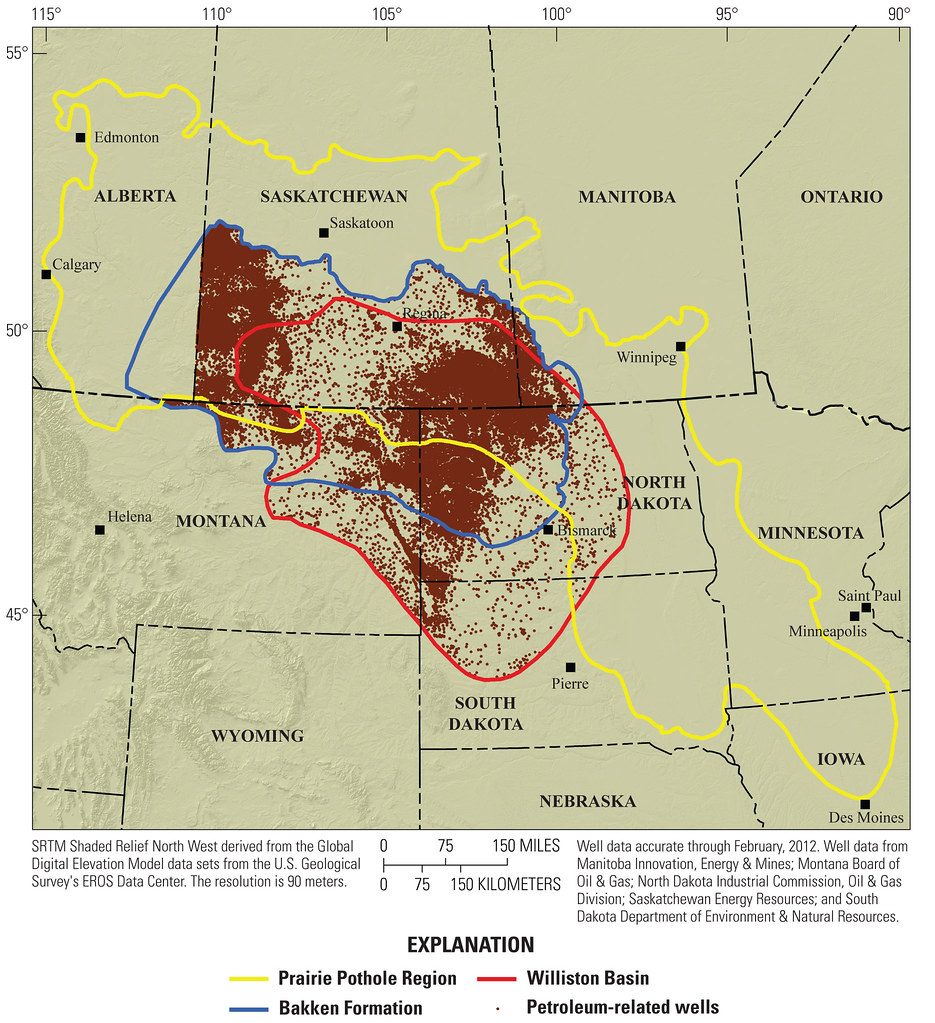
Chord Energy closed the sale of its entire non-operated Marcellus Shale position to POSCO International on Nov. 20, 2026, for $550 million in gross consideration. The Houston producer now operates in one basin, the Williston. The acreage was non-operated: another company drilled and ran the wells while Chord paid its share of the bills.

Chord got the position through its May 2024 purchase of Enerplus and called it non-core from the start. Selling it shifts 4 to 5 percentage points of production toward oil, raises lease operating expense by 70 to 80 cents per barrel of oil equivalent, and trims annual capital spending by about $25 million. What the proceeds buy is still open.

Why it matters

Shale producers are narrowing to their best basins. Chord's exit shows the trade-off: less gas revenue, more oil exposure, higher unit costs.

Questions about this story

Free account needed to ask — your question is kept and asked for you right after sign-up. Answers are public.

No questions yet — be the first to ask.

Key Indicators

$550M
Gross sale price
Total consideration for Chord's entire non-operated Marcellus position, before purchase-price adjustments.
$55M
Deposit received
Paid by POSCO International in September 2026 and credited against the price at closing.
~6x
Price to adjusted EBITDA
Multiple on the assets' estimated trailing earnings, assuming a $3.50 per million British thermal units Henry Hub gas price.
121 MMcfpd
Trailing gas production
Average daily output over the 12 months before the sale, all dry gas with no natural gas liquids.
~32,000
Net acres sold
Chord's entire non-operated acreage position in the Marcellus Shale.
$25M
Annual capital spending removed
Chord's expected yearly reduction in capital requirements after the divestiture.

Voices

Curated perspectives — historical figures and your fellow readers.

Sign up to generate historical perspectives on this story.

People Involved

Organizations Involved

Timeline

May 2024 November 2026

4 events Latest: 2 days ago
Tap a bar to jump to that date
  1. Sale closes; Chord is Williston-only

    Latest Divestiture

    Cash at closing reflects purchase-price adjustments and is net of the earlier deposit.

  2. Chord agrees to sell the Marcellus position

    Deal announced

    POSCO International will pay $550 million, with a $55 million deposit received.

  3. Economic effective date set for the sale

    Transaction

    Cash flows from the Marcellus assets accrue to the buyer from this date, ahead of closing.

  4. Chord closes Enerplus purchase

    Merger

    The deal brings Chord a non-operated Marcellus position in Pennsylvania alongside Williston Basin acreage.

Scenarios

1

Chord uses the proceeds to pay down debt

Likely Resolves by Q1 2027

Discussed by: Chord management, which said the divestiture would push net leverage lower and keep it below peers

Chord entered the sale with net leverage already below peer levels, and management said the deal would reduce it further. Applying proceeds to borrowings would cut interest expense and preserve the balance sheet strength the company cites as a competitive advantage. The cost is opportunity: debt paydown does less for per-share value than buybacks if the stock trades below the value of Chord's reserves.

2

Chord raises the dividend or authorizes a new buyback

Possible Resolves by Q2 2027

Discussed by: Chord management, which said proceeds would be deployed within its existing capital allocation framework

Chord already returns cash through a base dividend and share repurchases. A $550 million sale gives the board room to raise either without stretching the balance sheet. The trigger would be a board decision announced alongside quarterly results, and the size of any increase would signal how management weighs returns against acquisitions.

3

Chord buys more Williston Basin acreage

Possible Resolves by End of 2027

Discussed by: Chord management, which framed the sale as a step toward value creation from its Williston position

A single-basin company with a stronger balance sheet is built to consolidate. Chord has a record of buying scale, and the Williston has a long list of smaller operators holding inventory that larger companies want. The sale proceeds could fund an acquisition, though Chord has not named a target or a size.

4

Unit costs rise as forecast, testing the pure-play case

Likely Resolves by Q1 2028

Discussed by: Chord's own pro forma disclosures in the September 2026 announcement

Chord told investors the sale would raise lease operating expense by 70 to 80 cents per barrel of oil equivalent, because the remaining barrels are oilier and costlier to lift than Marcellus gas. If 2027 results land in that range, the guidance was sound. If costs climb further, the argument that focus creates value gets harder to defend.

Historical Context

2 moments from history that rhyme with this story — and how they unfolded.

February–May 2024

Chord Energy buys Enerplus (2024)

Chord agreed in February 2024 to combine with Calgary-based Enerplus in an all-stock deal, closing it that May. The merger added Williston Basin acreage and a non-operated position in the Marcellus Shale that Chord had not been shopping for.

Then

Chord ran the Marcellus assets for cash and labeled them non-core in its portfolio.

Now

The position became the asset sold to POSCO International two years later.

Why this matters now

The sale is the unwind of the piece of that merger Chord never wanted, and it shows how acquirers dispose of what comes bundled with a target.

September–December 2021

Shell exits the Permian Basin (2021)

Shell sold its Permian Basin position to ConocoPhillips, ending its onshore US shale production in that basin. The company said it would direct capital toward other priorities, including low-carbon businesses.

Then

The sale removed a business Shell no longer wanted to fund from its books.

Now

Shell kept Gulf of Mexico production but stopped operating in the Permian, a retreat other European majors also made.

Why this matters now

Same logic at a smaller scale: sell acreage where the company does not set the drilling pace, and spend where it does.

Sources

(6)