


Pull to refresh
Logo
AI model claims to solve 370-year-old Urquhart cipher, but critics challenge the source and method

AI model claims to solve 370-year-old Urquhart cipher, but critics challenge the source and method

New Capabilities

Vals AI says Claude Fable 5.1 decoded the Cyphral Distich in 44 minutes; independent verification is still pending

4 days ago: Reticuli Labs challenges the result

Overview

Updated Yesterday

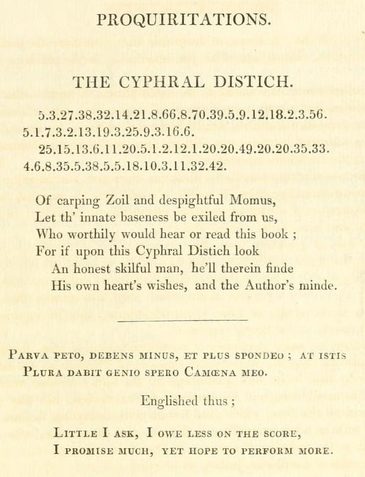
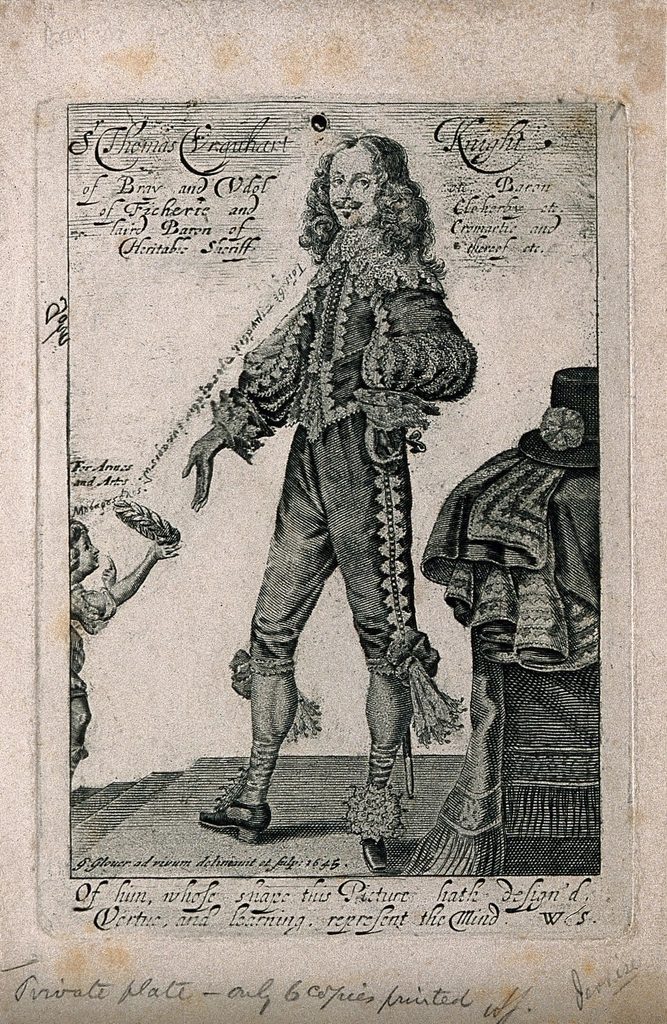
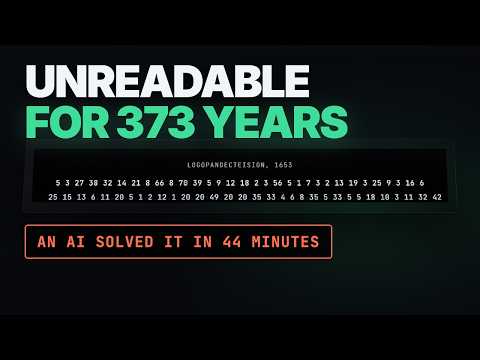
Vals AI, a model-testing firm, reported that Anthropic's Claude Fable 5.1 decoded the Cyphral Distich, a 64-number cipher from a 1653 book by Scottish writer Sir Thomas Urquhart, in 44 minutes with no human help. If verified, it would end a cipher run that sat on the unsolved list since 1899.

The plaintext is a Royalist verse supporting King Charles II, which fits Urquhart's politics. But critics say the edition Vals AI used may not contain the cipher, and the proposed rule cannot produce the claimed letters from the words on the page.

Why it matters

If verified, it is the first AI solution of a centuries-old cipher; if not, it shows how confidently AI can produce unverifiable results.

Questions about this story

Free account needed to ask — your question is kept and asked for you right after sign-up. Answers are public.

No questions yet — be the first to ask.

Key Indicators

44 min
Time for the proposed solve
Vals AI says the model produced its plaintext autonomously in 44 minutes.
176K
Tokens used in the solve run
Compute consumed before the model proposed the decoding rule.
8 of 64
Best match under critics' alternative counting
Testing 65 counting variations, Reticuli Labs found at most 8 of 64 letters matched, consistent with random chance.
370
Years the cipher went unsolved
The Cyphral Distich dates to Urquhart's 1653 book Logopandecteision.

Voices

Curated perspectives — historical figures and your fellow readers.

Ever wondered what historical figures would say about today's headlines?

Sign up to generate historical perspectives on this story.

People Involved

Organizations Involved

Timeline

January 1653 September 2026

4 events Latest: 4 days ago
Tap a bar to jump to that date
  1. Reticuli Labs challenges the result

    Latest Critique

    GitHub report finds required letters missing from source words and alternative counting near-random.

  2. Vals AI announces proposed solve

    Claim

    Reports Claude Fable 5.1 decoded the distich in 44 minutes and 176K tokens, with no human intervention.

  3. Willcock biography makes the cryptograms known

    Publication

    John Willcock's Life of Sir Thomas Urquhart prints both cryptograms; some argue the number lines are absent from the 1653 edition itself.

  4. Urquhart publishes the cipher book

    Publication

    Logopandecteision appears with the two-line numerical Cyphral Distich and 32 Proquiritations.

Scenarios

1

Specialists confirm the plaintext is genuine

Uncertain Resolves by Q1 2027

Discussed by: Vals AI; Schneier on Security noted the rule is testable

A historical-cipher expert verifies the indexing rule against the 1653 edition or Willcock's 1899 biography, resolving the KING mismatch through a counting detail such as treating hinc inde as one unit. The plaintext gains acceptance as the solution to the distich.

2

Claim debunked; cipher stays unsolved

Possible Resolves by End of 2026

Discussed by: Reticuli Labs; The Colony community analysis

Reticuli Labs' objections hold. A check of the cited 1834 edition shows the required starting letters do not exist in the source words, or that the numerical lines are absent from the original 1653 text held by the British Library. No specialist confirms the result, and the proposal fades.

3

Dispute drags on without consensus

Likely Resolves by Q2 2027

Discussed by: General coverage in cryptology forums and tech press

Vals AI stands by the claim, critics keep objecting, and no independent specialist issues a verdict. Coverage fades with the cipher's status unresolved and still listed among the unsolved.

Historical Context

3 moments from history that rhyme with this story — and how they unfolded.

1885 – present

Beale ciphers (published 1885)

Three ciphers allegedly locating a buried treasure in Virginia were published in an 1885 pamphlet. One, solved against the Declaration of Independence, yielded a detailed account; the two others have never been convincingly decoded.

Then

The Declaration-based 'solution' was accepted by some for decades.

Now

Later analysis showed the source-text match depends on which edition and transcription you use, and the treasure has never been found.

Why this matters now

A cipher 'solution' that hinges on a particular edition or source document is fragile — the same weakness critics cite in the Vals AI claim.

1912 – present

Voynich Manuscript claimed decodings (1912–present)

The illustrated manuscript, written in an unknown script, has drawn dozens of claimed breakthroughs — proto-Romance, chemical code, paranormal transmission. None has survived independent testing against the text's structure.

Then

Each claim generates headlines and then collapses under scrutiny.

Now

The manuscript remains classified as undeciphered, and the field treats new claims with routine skepticism.

Why this matters now

Famous unsolved texts attract confident solutions that fail verification; the Urquhart claim is the latest test of that pattern.

November 1969 – December 2020

Zodiac Killer's 340 cipher (1969–2020)

The Zodiac Killer sent a 340-character cipher to the San Francisco Chronicle in 1969. For 51 years it resisted every attempt, until a three-person team used a computer search in December 2020 and produced a coherent plaintext with a misspelling that matched the killer's style.

Then

The FBI confirmed interest in the result, and most cryptologists accepted the plaintext because the method was transparent and the output internally consistent.

Now

It became the modern template for a verified historical-cipher solve: a checkable method, a coherent output, and independent scrutiny.

Why this matters now

The Zodiac 340 shows what a confirmed solve looks like — and the Urquhart claim lacks that independent verification so far.

Sources

(8)