

Pull to refresh
Logo
Daily Brief
Following
Why
Capital One doubles down on business payments with $5.15B Brex acquisition

Capital One doubles down on business payments with $5.15B Brex acquisition

Money Moves
By Newzino Staff | |

The largest U.S. credit card lender buys an AI-native spend platform at nearly 60% below peak valuation as stock falls 6%

January 23rd, 2026: Market Reacts Negatively to Brex Deal

Overview

Capital One spent two decades as a credit card company that happened to be a bank. Now Richard Fairbank wants to become something else: a technology company that happens to issue cards. Eight months after closing its $35 billion Discover acquisition—making it America's largest credit card lender—Capital One announced it will pay $5.15 billion for Brex, the AI-native expense management platform that counts Anthropic, DoorDash, and Robinhood among its 25,000 corporate customers. The deal structure splits evenly: $2.75 billion in cash and 10.6 million Capital One shares.

The deal values Brex at nearly 60% below its January 2022 peak of $12.3 billion, reflecting a brutal reset for fintech valuations as higher interest rates dried up venture funding and investors demanded profitability over growth. Wall Street reacted coolly—Capital One shares fell 6% as Fairbank acknowledged the acquisition would dilute earnings initially, with $950 million in integration and retention costs spread over three years. For Brex's Brazilian-born founders, who built a billion-dollar company before age 23, the exit ends an increasingly difficult path to IPO while competitor Ramp's valuation soared from $13 billion to $32 billion in eight months. For Capital One, it represents a strategic bet that AI-powered spend management software—not just credit lines—will define the future of business payments.

Key Indicators

$40B+
Deal Value (12 months)
Capital One's combined acquisition spending on Discover and Brex
58%
Valuation Decline
Brex sold at $5.15B vs. $12.3B peak valuation in January 2022
25,000+
Brex Customers
Companies using Brex for corporate cards and expense management
-6%
Stock Reaction
Capital One shares fell as investors weighed earnings dilution and integration costs

Interactive

Exploring all sides of a story is often best achieved with Play.

Ever wondered what historical figures would say about today's headlines?

Sign up to generate historical perspectives on this story.

Sign Up

Debate Arena

Two rounds, two personas, one winner. You set the crossfire.

People Involved

Richard Fairbank
Richard Fairbank
Founder, Chairman & CEO, Capital One (Leading post-Discover integration while acquiring Brex)
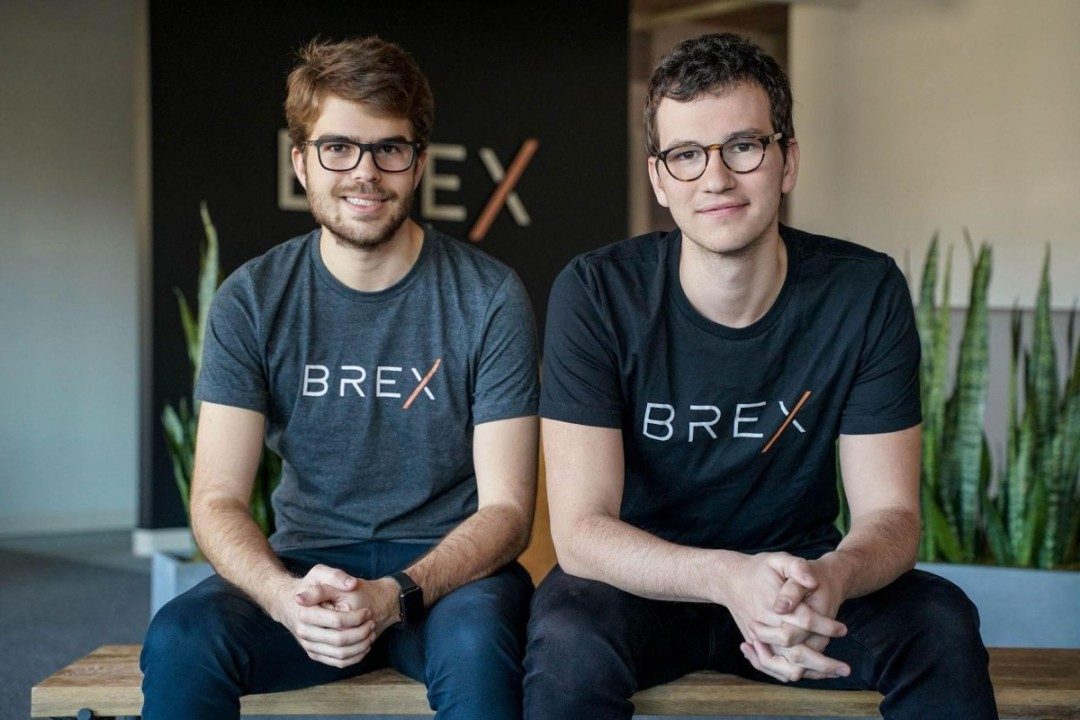
Pedro Franceschi
Pedro Franceschi
Co-Founder & CEO, Brex (Will continue leading Brex as part of Capital One)
Henrique Dubugras
Henrique Dubugras
Co-Founder & Executive Chairman, Brex; transitioning to Capital One board (Will join Capital One board of directors after acquisition closes)

Organizations Involved

Capital One Financial Corporation
Financial Institution
Status: Acquirer; largest U.S. credit card lender

The largest credit card lender in the United States with $669 billion in assets.

Brex
Brex
Financial Technology Company
Status: Target; to become Capital One subsidiary

AI-native corporate card and spend management platform serving startups and enterprises.

Timeline

  1. Market Reacts Negatively to Brex Deal

    Market

    Capital One shares fall 6% as analysts digest earnings miss alongside acquisition announcement. Fairbank acknowledges initial earnings dilution and $950M in integration costs over three years.

  2. Capital One Announces Brex Acquisition

    M&A

    Capital One agrees to buy Brex for $5.15 billion—50% cash, 50% stock—valuing the fintech at less than half its 2022 peak.

  3. Capital One Closes Discover Acquisition

    M&A

    Capital One completes its purchase of Discover, becoming the largest credit card lender in the United States.

  4. Regulators Approve Discover Deal

    Regulatory

    Federal Reserve and OCC grant final approval for Capital One's acquisition of Discover.

  5. Discover Shareholders Approve Merger

    Regulatory

    Over 99% of voting shareholders at both companies approve the Capital One–Discover deal.

  6. Brex Ends Co-CEO Model

    Leadership

    Brex abandons its co-CEO structure. Pedro Franceschi becomes sole CEO; Henrique Dubugras becomes Executive Chairman.

  7. Capital One Announces Discover Deal

    M&A

    Capital One agrees to acquire Discover Financial Services for $35.3 billion in stock, aiming to create a global payments platform.

  8. Brex Cuts 20% of Staff

    Corporate

    Brex lays off 282 employees, citing slowed growth and excessive management layers. Monthly cash burn was $17 million in Q4 2023.

  9. SVB Collapse Brings Surge

    Market

    Silicon Valley Bank fails. Brex gains 4,000+ customers and billions in deposits as panicked startups flee.

  10. Brex Abandons SMB Market

    Strategy

    Brex announces it will stop serving small businesses and focus exclusively on larger, enterprise customers.

  11. Brex Peaks at $12.3B

    Funding

    Greenoaks Capital leads $300 million Series D-2, valuing Brex at $12.3 billion—its all-time high.

  12. Brex Hits $1.1B Valuation

    Funding

    Brex raises $125 million Series C, becoming a unicorn within 18 months of founding.

  13. Brex Founded

    Corporate

    Dubugras and Franceschi pivot from a VR startup during Y Combinator to launch Brex, targeting corporate cards for startups.

Scenarios

1

Capital One Becomes Dominant B2B Payments Platform

Discussed by: Fintech analysts at American Banker, Bloomberg

Capital One successfully integrates Brex's AI-powered expense tools with its existing commercial card products and the Discover network. Enterprise customers gain a single platform for cards, expense management, and payments. Capital One captures significant share of the $120 trillion B2B payments market, challenging incumbents like SAP Concur and Amex GBT.

2

Integration Struggles Mirror Past Bank-Fintech Deals

Discussed by: Oliver Wyman research, BNP Paribas fintech analysis

Cultural friction between Capital One's regulated banking culture and Brex's startup ethos hampers integration. Key Brex engineers depart. The AI features that differentiated Brex stagnate under bank compliance requirements. Historical data shows 40% of bank-acquired fintechs close or get sold within five years.

3

Regulators Block or Delay the Deal

Discussed by: Competition law specialists, DOJ antitrust division watchers

Following Capital One's Discover approval, regulators take a harder look at further consolidation. The DOJ or FTC raises concerns about Capital One controlling both a major card network (Discover) and a leading corporate spend platform (Brex), particularly given concentrated power over startup and tech company finances.

4

Brex Founders Exit, Launch Competitor

Discussed by: Venture capital observers, startup ecosystem commentators

After retention periods expire, Franceschi and Dubugras—still in their early 30s with substantial liquidity—leave to start a new fintech. Their track record and network enable rapid funding. Capital One retains Brex's customer base but loses the entrepreneurial talent that built it.

Historical Context

Bank of America Acquires MBNA (2006)

January 2006

What Happened

Bank of America paid $35 billion for MBNA, then the largest independent credit card issuer, creating a company with 20% market share. MBNA pioneered affinity marketing—co-branded cards with 5,000+ organizations. The deal made Bank of America the top U.S. card issuer overnight.

Outcome

Short Term

Bank of America cut 6,000 jobs and saved $850 million annually. MBNA's brand was retired within months.

Long Term

Bank of America eventually sold MBNA's Canadian and UK operations. The acquisition delivered scale but not the differentiation Capital One now seeks through technology.

Why It's Relevant Today

Like the Discover deal, MBNA was about market share through consolidation. The Brex acquisition signals Capital One wants technology and talent, not just accounts—a fundamentally different bet.

Visa's Failed Acquisition of Plaid (2021)

January 2020 – January 2021

What Happened

Visa agreed to pay $5.3 billion for Plaid, a fintech connecting bank accounts to apps. The DOJ sued to block the deal, arguing Visa was eliminating a nascent competitor to protect its debit monopoly. Internal documents revealed Visa's CEO called it a 'strategic, not financial' move to protect their business.

Outcome

Short Term

Visa and Plaid abandoned the merger in January 2021 to avoid protracted litigation.

Long Term

Plaid remained independent, grew 60% in 2020, and continued building competitive payment infrastructure. The case signaled aggressive antitrust enforcement against 'killer acquisitions.'

Why It's Relevant Today

Capital One faces regulatory scrutiny after Discover. If DOJ views Brex as a nascent competitor to Capital One's commercial card business, similar arguments could emerge—though Capital One lacks Visa's monopoly position.

JPMorgan Acquires WePay (2017)

October – December 2017

What Happened

JPMorgan Chase paid $300–400 million for WePay, a payment platform for small business software. It was JPMorgan's first major fintech acquisition. WePay's technology let business apps integrate payments seamlessly—similar to what Brex offers for expense management.

Outcome

Short Term

WePay was integrated into Chase's commercial offerings, serving platforms like GoFundMe and FreshBooks.

Long Term

JPMorgan followed with the $500M+ InstaMed acquisition in 2019, building a fintech acquisition playbook. WePay became foundational infrastructure rather than a standalone product.

Why It's Relevant Today

JPMorgan's approach—acquire fintech capabilities, integrate them into existing commercial banking—mirrors what Capital One is attempting with Brex. The WePay deal showed integration can work when the acquirer commits to the technology rather than just the customer base.

15 Sources: