
Pull to refresh
Logo
Colorado wildlife overpass cuts I-25 collisions as habitat reconnects

Colorado wildlife overpass cuts I-25 collisions as habitat reconnects

Built World

North America's largest wildlife crossing delivered a 91 percent crash reduction in its first nine months

Yesterday: Study shows 91 percent collision reduction

Overview

Updated 1 hour ago

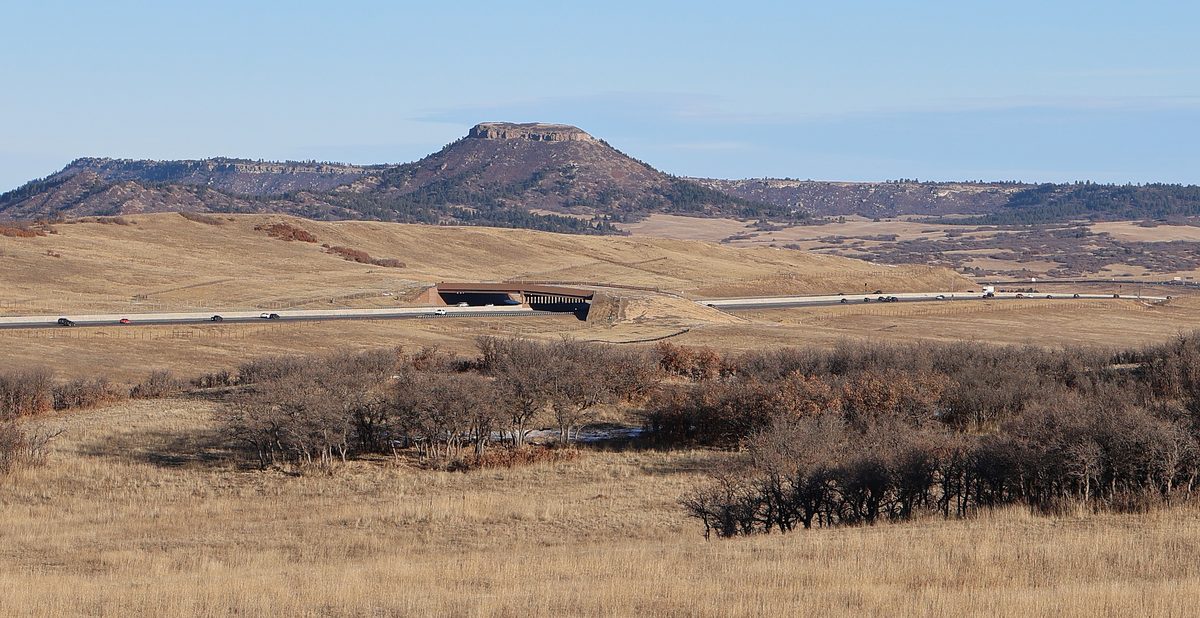
Interstate 25 near Colorado's Greenland exit split 39,000 acres of habitat, and for decades elk and pronghorn could not get across. The corridor averaged roughly one deer-vehicle crash per day in peak migration. Nine months after North America's largest wildlife overpass opened there, collisions have dropped 91 percent.

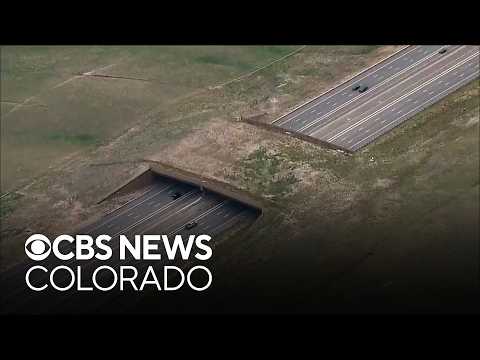
The 209-by-200-foot bridge works with five underpasses and 14 miles of fencing to guide animals across six lanes of traffic. Its early results, plus a new state law that raises about $3 million a year for mitigation, are feeding plans for more crossings. California's larger overpass on U.S. 101 is set to open this winter.

Why it matters

One crossing cut wildlife collisions by 91 percent; if Colorado repeats it, fewer drivers crash and split habitats reconnect.

Questions about this story

Free account needed to ask — your question is kept and asked for you right after sign-up. Answers are public.

No questions yet — be the first to ask.

Key Indicators

91%
Reduction in wildlife-vehicle collisions
Measured over the 2022-2024 study period, after most mitigation measures were built.
5
Wildlife underpasses in the system
Part of the mitigation network completed under the I-25 South Gap project.
$15M
Final construction cost of the overpass
Finished by contractor Kraemer North America at about half the funds allocated.
100,000+
Vehicles crossing this section of I-25 daily
Traffic volume on the corridor the overpass spans.

Voices

Curated perspectives — historical figures and your fellow readers.

Ever wondered what historical figures would say about today's headlines?

Sign up to generate historical perspectives on this story.

People Involved

Organizations Involved

Timeline

January 2018 September 2026

3 events Latest: Yesterday
  1. Study shows 91 percent collision reduction

    Latest Report

    CDOT research reports a 91 percent drop in wildlife-vehicle collisions on the corridor, with elk and pronghorn crossing for the first time in decades.

  2. Greenland wildlife overpass opens

    Opening

    North America's largest wildlife overpass opens near the Greenland exit, ahead of schedule and under budget.

  3. CDOT starts South Gap widening project

    Construction

    CDOT begins a five-year project to widen 18 miles of I-25 from Castle Rock to Monument, with wildlife mitigation built in.

Scenarios

1

CDOT breaks ground on next Colorado wildlife crossing

Possible Resolves by End of 2027

Discussed by: CDOT officials and the state's new mitigation funding stream

CDOT already keeps a priority list of corridors needing crossings, including Raton Pass on I-25 near the New Mexico border, US-40 near Empire, and State Highway 160 near Mesa Verde. A state law passed this year raises about $3 million annually for wildlife mitigation, which officials say they can use as match for larger federal grants. The open question is when the next project moves from planning to construction.

2

Colorado study confirms elk and pronghorn herds reconnected across I-25

Likely Resolves by Jul 1, 2027

Discussed by: CDOT and Colorado Parks and Wildlife researchers

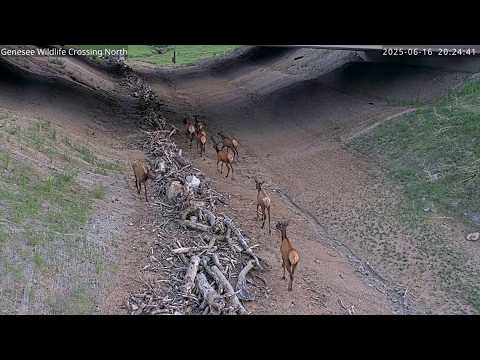
First results from a study on how animals adapt to the large overpass are expected in spring 2027. Cameras have already recorded elk herds and pronghorn crossing for the first time in decades. The study will show whether the structure genuinely connects herds on the east and west sides of the interstate.

3

I-25 wildlife collisions stay near record low in second year

Likely Resolves by Jan 31, 2027

Discussed by: CDOT crash monitoring

The 91 percent figure came from data spanning 2022 to 2024, after most mitigation measures were built. CDOT continues tracking crashes, cameras, and animal crossings. A sustained reduction would strengthen the case for building similar crossings across the state and the West.

Historical Context

2 moments from history that rhyme with this story — and how they unfolded.

1988 to present

Netherlands ecoducts (1988)

The Netherlands built its first ecoduct, a wildlife overpass near Arnhem, in 1988 to reconnect habitat split by roads and railways. The country has since constructed more than 600 wildlife crossings, some spanning hundreds of meters.

Then

The crossings reduced roadkill and let deer, wild boar, and small species move between protected areas.

Now

The Dutch network became the world's densest system of wildlife crossings and a reference for other nations.

Why this matters now

It shows what a mature network of wildlife crossings looks like and gives Colorado a long-term model beyond single projects.

Mid-1990s onward

Banff wildlife crossings (1996)

Canada's Banff National Park began installing wildlife overpasses and underpasses on the Trans-Canada Highway in 1996, among the first such large-scale crossings in the world. Over the following years, elk and deer deaths on the park's highway stretch dropped sharply as animals learned to use the structures.

Then

Wildlife-vehicle collisions in the monitored area fell by roughly 80 percent.

Now

Banff became the model for wildlife crossings across North America, including the Colorado project.

Why this matters now

Banff demonstrated the approach Colorado is now scaling, from single structures to statewide corridor programs.

Sources

(4)