
Pull to refresh
Logo
DOE selects Three Corners Connector for grid funding negotiations

DOE selects Three Corners Connector for grid funding negotiations

Built World

300-mile HVDC line would link eastern and western US grids, more than doubling transfer capacity

Today: Three Corners Connector enters funding negotiations

Overview

Updated 58 minutes ago

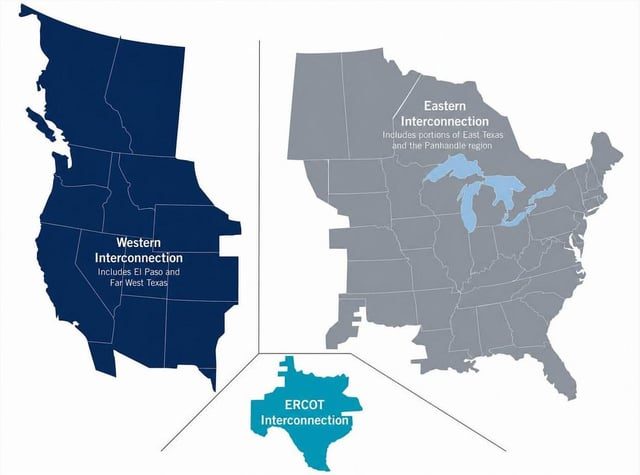
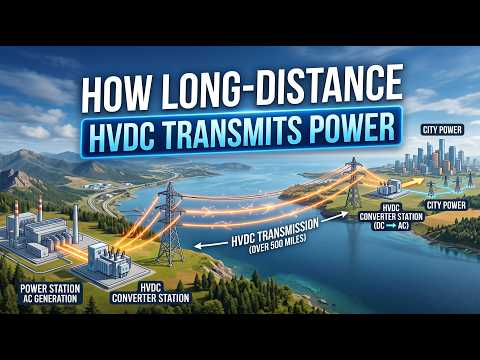
The U.S. Department of Energy selected the Three Corners Connector, a 300-mile high-voltage transmission line between Oklahoma and Colorado, to negotiate for up to $250 million in federal funding. The line would be the first high-capacity link between the eastern and western U.S. electric grids in decades.

The project, developed by Grid United with the Oklahoma Office of Management and Enterprise Services as the applicant, would more than double the 1,320 megawatts of transfer capacity that currently exists between the two grids. If built, it could be operational as early as 2031.

Why it matters

If built, this line would let power flow both ways between the eastern and western U.S. grids, easing reliability pressure and cutting electricity costs for consumers.

Questions about this story

Free account needed to ask — your question is kept and asked for you right after sign-up. Answers are public.

No questions yet — be the first to ask.

Key Indicators

$250M
Federal funding requested
Up to $250 million requested from DOE's SPARK program for transmission tower engineering and materials.
$832.2M
Total project value
Total cost of the Three Corners Connector project, including recipient cost-share.
483 km
Line length
300-mile high-voltage direct current line from Guymon, Oklahoma to Pueblo, Colorado.
1,800 MW
New transfer capacity
More than doubles the existing 1,320 MW capacity between eastern and western grids; expandable to 3,000 MW.

Voices

Curated perspectives — historical figures and your fellow readers.

Ever wondered what historical figures would say about today's headlines?

Sign up to generate historical perspectives on this story.

People Involved

Organizations Involved

Timeline

February 2026 October 2026

4 events Latest: Today
Tap a bar to jump to that date
  1. Three Corners Connector enters funding negotiations

    Today Negotiation

    Project celebrates selection, begins negotiations with DOE for up to $250 million.

  2. DOE selects Three Corners Connector

    Selection

    DOE announces 31 projects across 26 states selected for SPARK funding.

  3. SPARK application deadline passes

    Application

    OMES submits Three Corners Connector application for up to $250 million.

  4. DOE issues SPARK funding opportunity

    Announcement

    Department of Energy opens $1.9 billion SPARK program for transmission upgrades.

Scenarios

1

Three Corners Connector secures final SPARK award

Likely Resolves by Jan 31, 2027

Discussed by: DOE's SPARK program timeline and project announcements

DOE and OMES complete negotiations and sign a formal financial assistance agreement. The $250 million would support engineering and materials for transmission towers. DOE's stated award window is October 2026 through January 2027, making this the expected path.

2

Negotiations stall, funding reduced or withdrawn

Unlikely Resolves by Q2 2027

Discussed by: Risk inherent in the negotiation stage

The negotiation process stalls or the final award comes in well below the requested $250 million. DOE's expected award window is October 2026 to January 2027; if that passes without a deal, the project would need to find other funding or proceed without federal support.

3

Project delayed, operational date slips past 2031

Possible Resolves by End of 2028

Discussed by: Project timeline in Three Corners Connector materials

The project still needs final regulatory approvals (expected in 2026), remaining land rights, and construction. If any of these slip, the 2031 operational target could move. The project's own materials note construction starts only after land rights and approvals are secured.

Historical Context

2 moments from history that rhyme with this story — and how they unfolded.

2009-2016

Tres Amigas SuperStation (2009-2016)

A proposed 5-gigawatt hub in Clovis, New Mexico, that would have connected all three U.S. interconnections. It was announced with fanfare in 2009 but never secured the funding or regulatory approvals to be built.

Then

The project stalled and was eventually abandoned.

Now

It showed how difficult interconnecting the U.S. grids is, both technically and financially.

Why this matters now

Three Corners Connector faces the same challenge of linking the eastern and western grids, but with a more focused scope: a single point-to-point line rather than a multi-hub superstation.

1970

Pacific DC Intertie (1970)

The first major high-voltage direct current line in the U.S., running about 846 miles from the Columbia River in Oregon to Sylmar, California. It was built to move cheap hydroelectric power from the Pacific Northwest to Southern California.

Then

The line began operating in 1970 and was later upgraded from 1,440 to 3,100 megawatts.

Now

It has operated for over five decades and remains a critical link in the western grid.

Why this matters now

Shows the long-term value of HVDC infrastructure. Three Corners Connector would be a similar interregional link, but connecting the eastern and western grids rather than two points within the western grid.

Sources

(10)