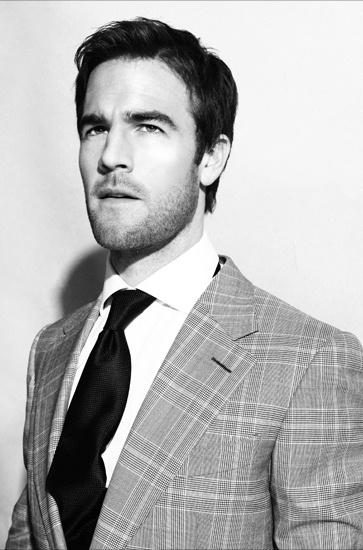
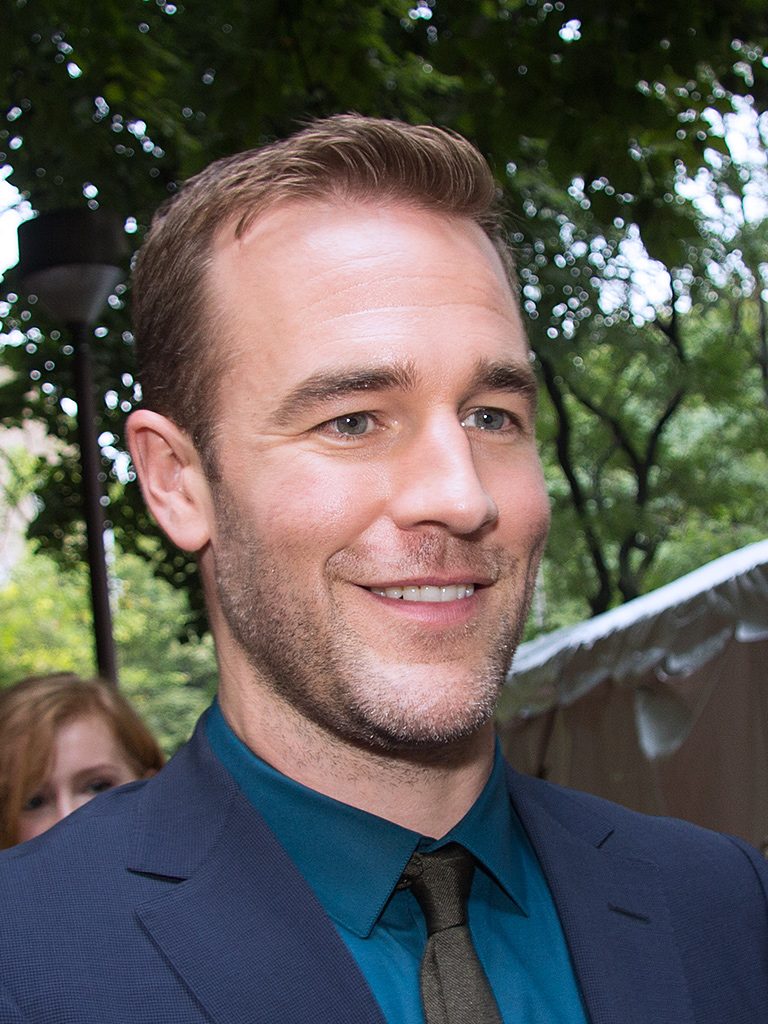
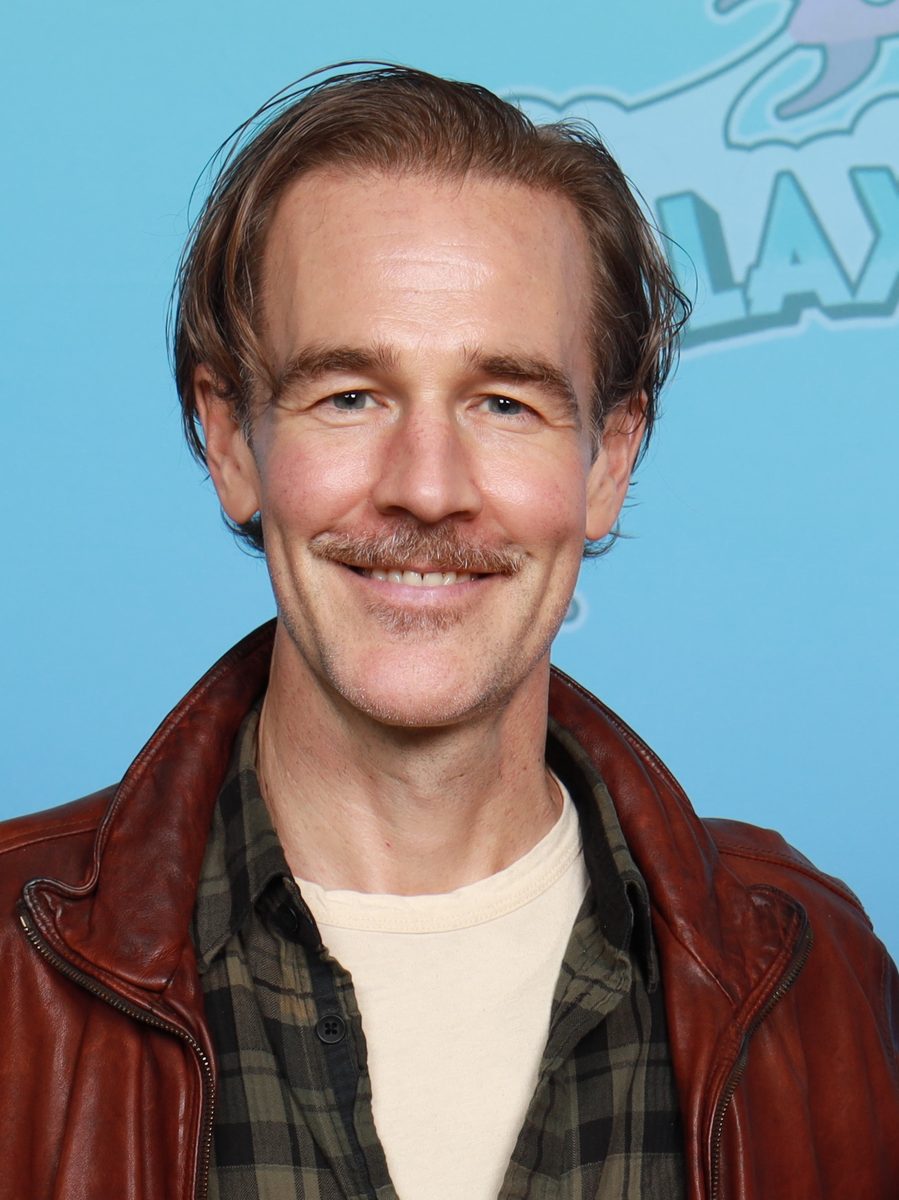
Colorectal cancer now kills more Americans under 50 than any other cancer. James Van Der Beek, who played Dawson Leery in the late-1990s teen drama Dawson's Creek, died February 11 at age 48 after a 30-month battle with colorectal cancer. He became the latest public figure to put a face on an epidemic that medical guidelines have only recently begun to address.
Van Der Beek's death follows a pattern: celebrities diagnosed young turn their platforms into advocacy for earlier screening. After Chadwick Boseman died of colon cancer at 43 in 2020, screening searches surged. Lowering the screening age to 45 in 2021 produced a 50% jump in early-stage cancer diagnoses for 45-to-49-year-olds within a year.
The advocacy mechanism works — it's driving more screening and diagnoses. Yet colorectal cancer incidence in younger adults is still rising by nearly 3% annually, and researchers don't fully understand why.
Questions about this story
Free account needed to ask — your question is kept and asked for you right after sign-up. Answers are public.
No questions yet — be the first to ask.
Key Indicators
154,270
Projected U.S. cases in 2025
Colorectal cancer is the third most common cancer diagnosed in both men and women
1 in 5
Diagnoses in adults under 55
Twenty percent of new colorectal cancer cases now occur in people younger than 55
91%
Five-year survival if caught early
When detected at the localized stage before spreading, survival rates are dramatically higher
2.9%
Annual increase in young-adult cases
Incidence rates in people under 50 have risen by nearly 3% per year from 2013 to 2022
16 events
Latest: February 11th, 2026 · 7 months ago
Showing 8 of 16
JK to step
Tap a bar to jump to that date
Jump to
February 2026
James Van Der Beek dies at 48
LatestDeath
Van Der Beek dies peacefully after weeks in hospice care, survived by his wife Kimberly and six children.
December 2025
Van Der Beek gives final TODAY interview
Statement
The actor describes feeling 'really fortunate in an unfortunate diagnosis' and discusses how cancer taught him he was 'worthy of love.'
November 2025
Harvard study links ultra-processed foods to cancer precursors
Research
Research finds women consuming the most ultra-processed foods had 45% higher risk of developing adenomas, potential precursors to colorectal cancer.
September 2025
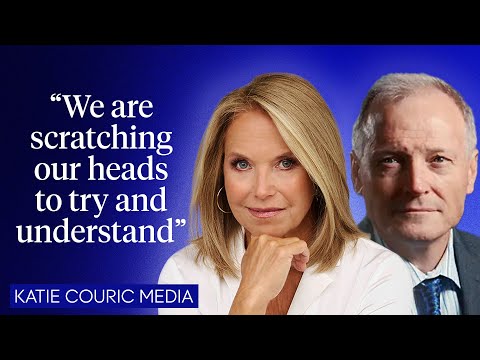
Katie Couric launches 'Lead From Behind' campaign
Awareness
On the 25th anniversary of her on-air colonoscopy, Couric partners with Ryan Reynolds' company and the Colorectal Cancer Alliance to destigmatize screening.
August 2025
Studies show screening guideline change working
Research
New research shows early-stage diagnoses in 45-to-49-year-olds jumped 50% after the screening age was lowered, indicating cancers are being caught earlier.
July 2025
Van Der Beek partners with Guardant Health
Advocacy
The actor promotes the Shield blood test as a less invasive alternative to colonoscopy for cancer screening.
December 2024
Van Der Beek appears on The Real Full Monty
Awareness
The actor joins other celebrities on FOX's special, stripping down to raise awareness for prostate, testicular, and colorectal cancer screening.
November 2024
Van Der Beek publicly reveals cancer diagnosis
Statement
More than a year after his diagnosis, Van Der Beek goes public and begins advocating for early screening.
July 2024
FDA approves Shield blood test for colorectal cancer screening
Medical Advance
Guardant Health's Shield becomes the first blood test approved by the FDA as a primary screening option for colorectal cancer.
August 2023
James Van Der Beek diagnosed with colorectal cancer
Diagnosis
The Dawson's Creek star receives a stage 3 diagnosis at age 46. He keeps the diagnosis private for over a year.
May 2021
USPSTF recommends screening at 45, triggering insurance coverage
Policy Change
The federal advisory panel's recommendation means insurers must cover screening without cost-sharing for adults starting at 45.
August 2020
Chadwick Boseman dies at 43
Death
Boseman's death from colon cancer is announced in what becomes the most-liked tweet in Twitter history, driving unprecedented awareness.
May 2018
American Cancer Society lowers screening age to 45
Guideline Change
The ACS becomes the first major organization to recommend screening begin at 45 instead of 50, citing rising incidence in younger adults.
January 2016
Chadwick Boseman privately diagnosed with colon cancer
Diagnosis
The Black Panther star receives a stage 3 diagnosis at age 39 but keeps it private, continuing to work through treatment.
March 2000
Couric undergoes colonoscopy live on TODAY
Awareness
The broadcast is credited with a measurable increase in screening rates, later dubbed the 'Couric Effect.'
January 1998
Katie Couric's husband dies of colon cancer at 42
Personal
Jay Monahan's death from colon cancer sparks Couric's advocacy work and eventually leads to her influential on-air colonoscopy.
Scenarios
1
Screening Rates Reach 80% Target for Adults 45+
Possible
Discussed by: American Cancer Society, Colorectal Cancer Alliance, and public health researchers
Sustained celebrity advocacy, improved blood test options like Shield, and mandatory insurance coverage combine to push screening rates toward the 80% goal set by health organizations. Early-stage diagnoses continue rising while late-stage diagnoses and deaths decline. The 'Van Der Beek effect' mirrors the earlier 'Couric Effect,' with his death prompting another measurable surge in screening appointments.
Discussed by: National Cancer Institute researchers, epidemiologists at The Lancet Oncology
While screening catches more cancers earlier, the underlying incidence in young adults continues climbing at 2-3% annually. Research into causes—including ultra-processed foods, microbiome changes, and generational exposures—produces no clear answers. Public health focus shifts from screening alone to prevention, with calls for dietary guidelines and food industry regulation.
3
Blood Tests Replace Colonoscopy as Primary Screening
As blood tests like Shield gain acceptance, colonoscopy rates drop while overall screening participation rises. The trade-off—blood tests are less accurate but more likely to be used—proves net positive for population health. Colonoscopy becomes a second-line diagnostic tool rather than first-line screening, fundamentally changing the gastroenterology field.
4
Screening Age Lowered Again to 40
Uncertain
Discussed by: Some oncologists and patient advocacy groups
As young-adult cases continue rising and high-profile deaths accumulate, pressure builds to lower the recommended screening age again. The American Cancer Society and USPSTF convene panels to review evidence. The debate centers on whether the benefits of earlier screening outweigh costs and whether screening alone can address a problem with unclear environmental causes.
Historical Context
3 moments from history that rhyme with this story — and how they unfolded.
1 of 3
1941-1996
Cervical Cancer Screening and the Pap Test (1940s-1990s)
The Pap smear, developed by George Papanicolaou, became widely adopted for cervical cancer screening starting in the 1940s. Over five decades, regular screening became standard care for women, integrated into routine gynecological visits.
Then
Cervical cancer detection shifted dramatically toward earlier stages.
Now
Cervical cancer death rates in the United States dropped by more than 70% between 1955 and 1992, making it one of public health's greatest screening success stories. The key was making screening routine and accessible.
Why this matters now
Colorectal cancer advocates point to cervical cancer as proof that screening programs can dramatically reduce deaths—if participation rates are high enough. The challenge is making colorectal screening as routine as the Pap smear became.
2 of 3
March 2000
The Couric Effect (2000)
Katie Couric, whose husband had died of colon cancer at 42 two years earlier, underwent a colonoscopy live on the TODAY show. The broadcast reached millions of viewers and was designed to demonstrate that the procedure was safe and manageable.
Then
Colonoscopy rates increased by 20% in the months following the broadcast, a phenomenon researchers later called the 'Couric Effect.'
Now
The broadcast established celebrity health advocacy as a measurable public health tool and launched Couric's decades-long role in colorectal cancer awareness. It demonstrated that visibility and destigmatization could move screening rates.
Why this matters now
Van Der Beek's advocacy followed the same playbook—using celebrity visibility to normalize screening and share personal experience. His death may produce a similar measurable effect on screening rates.
3 of 3
August 2020
Chadwick Boseman's Death (2020)
Boseman died of colon cancer at 43 after keeping his four-year battle private. He had continued working through surgeries and chemotherapy, completing films including Black Panther and Ma Rainey's Black Bottom. His family revealed the diagnosis only upon his death.
Then
The announcement became the most-liked tweet in history. Internet searches for colon cancer and screening surged. Awareness campaigns specifically targeted the Black community, where Boseman was an icon.
Now
Boseman's death accelerated policy changes already underway, providing emotional urgency behind the dry statistics showing rising young-adult cases. His private battle contrasted with later advocates who chose public disclosure.
Why this matters now
Van Der Beek chose the opposite approach—public disclosure and active advocacy—but both deaths underscore how the disease strikes people in apparent good health with minimal warning signs.