

Pull to refresh
Logo
Daily Brief
Following
Why
WHO quantifies preventable cancer burden

WHO quantifies preventable cancer burden

New Capabilities
By Newzino Staff |

New analysis shows 37% of global cancer cases linked to modifiable risk factors

2 days ago: Global Coverage of Prevention Findings

Overview

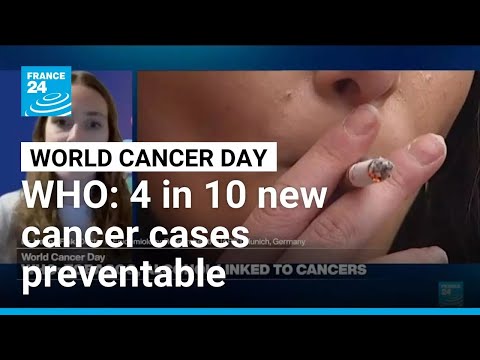
Four in ten cancer cases worldwide could be prevented. That finding, from the World Health Organization's International Agency for Research on Cancer, marks the first time researchers have quantified the combined burden of behavioral, environmental, occupational, and infectious causes of cancer using global data from 185 countries. The analysis, published in Nature Medicine ahead of World Cancer Day, estimates that 7.1 million cancer cases in 2022 were linked to just 30 modifiable risk factors.

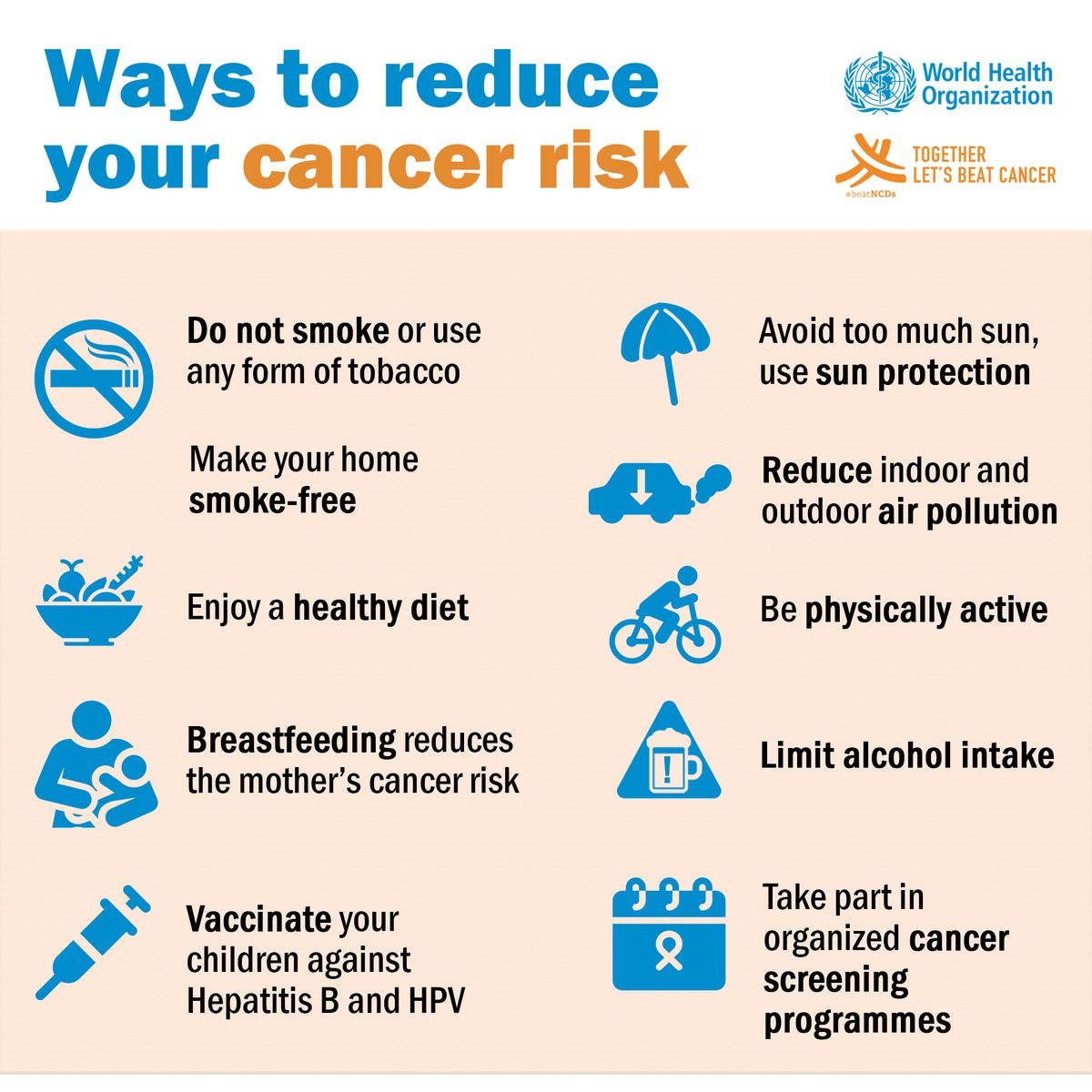
The practical implications are substantial: tobacco accounts for 15% of all new cancers, infections for 10%, and alcohol for 3%. Three cancer types—lung, stomach, and cervical—make up nearly half of all preventable cases. For health systems struggling with rising cancer costs, the data provides a roadmap: vaccines exist for the infections driving stomach and cervical cancers, and tobacco control policies have already proven effective where implemented. The gap between what's preventable and what's actually prevented represents millions of avoidable diagnoses annually.

Key Indicators

37%
Preventable cancer cases
Share of 2022 global cancer cases linked to modifiable risk factors
7.1M
Preventable cases annually
Absolute number of cancer cases attributable to preventable causes in 2022
15%
Tobacco-linked cancers
Leading preventable cause of cancer globally
10%
Infection-linked cancers
Including HPV, hepatitis B and C, and H. pylori
45% vs 30%
Gender gap
Preventable cancer burden in men versus women

Interactive

Exploring all sides of a story is often best achieved with Play.

Ever wondered what historical figures would say about today's headlines?

Sign up to generate historical perspectives on this story.

Sign Up

Debate Arena

Two rounds, two personas, one winner. You set the crossfire.

People Involved

Dr. Elisabete Weiderpass
Director, International Agency for Research on Cancer (Re-elected to second five-year term)
Tedros Adhanom Ghebreyesus
Director-General, World Health Organization (Serving second term as WHO Director-General)

Organizations Involved

International Agency for Research on Cancer (IARC)
UN Specialized Agency
Status: Published landmark preventable cancer analysis

WHO's specialized cancer agency, headquartered in Lyon, France, responsible for coordinating global cancer research and producing authoritative classifications of carcinogens.

WO
World Health Organization
UN Specialized Agency
Status: Leading global cancer prevention strategy

UN agency coordinating international public health, including the Framework Convention on Tobacco Control and the Cervical Cancer Elimination Initiative.

Timeline

  1. Global Coverage of Prevention Findings

    Media

    International media outlets amplify WHO/IARC findings, with coverage emphasizing regional variations and gender disparities in preventable cancer burden.

  2. World Cancer Day 2026

    Awareness

    WHO and IARC release findings ahead of annual awareness day, emphasizing actionable prevention opportunities.

  3. IARC Publishes Comprehensive Preventable Cancer Analysis

    Research

    Nature Medicine study quantifies 37% of global cancer cases as preventable, analyzing 30 risk factors across 185 countries for the first time.

  4. First World Cervical Cancer Elimination Day

    Milestone

    WHO announces 86 million girls vaccinated against HPV globally, with countries including Brazil, China, Indonesia, and Nigeria expanding programs.

  5. WHO Launches Cervical Cancer Elimination Strategy

    Policy

    World Health Assembly adopts 90-70-90 targets: 90% HPV vaccination by age 15, 70% screening by age 45, 90% treatment access.

  6. WHO Tobacco Convention Enters Force

    Policy

    Framework Convention on Tobacco Control becomes binding international law, eventually covering 182 parties and over 90% of the world's population.

  7. IARC Founded

    Institutional

    World Health Assembly establishes the International Agency for Research on Cancer in Lyon, France, as WHO's specialized cancer research body.

  8. US Surgeon General Links Smoking to Cancer

    Research

    Landmark US Surgeon General's report concludes smoking causes lung cancer, establishing a nine- to ten-fold risk increase for average smokers.

Scenarios

1

Prevention Targets Met: Cervical Cancer Near-Elimination by 2050

Discussed by: WHO modeling studies, Lancet Global Health projections, cervical cancer elimination initiative analysts

If countries achieve 90% HPV vaccination, 70% screening, and 90% treatment access by 2030, models project up to 97% reduction in cervical cancer incidence by 2120, with substantial declines visible by mid-century. This would represent the first cancer type eliminated through public health intervention. Current HPV vaccination coverage stands at 27% globally, well below target but rising from 20% in 2022.

2

Tobacco Decline Continues: Smoking-Related Cancers Fall Substantially

Discussed by: WHO FCTC implementation reports, tobacco control researchers, public health economists

More than 120 million people have quit tobacco since 2010. If current trends continue and low-income countries implement proven tobacco control measures—taxes, plain packaging, advertising bans—lung cancer incidence could decline significantly over the next two decades, following patterns already seen in countries with strong tobacco control. The 22 million deaths already prevented by MPOWER policies suggest this trajectory is achievable.

3

Prevention Gap Widens: Low-Income Countries Bear Rising Burden

Discussed by: Global Burden of Disease Study authors, health economists, low- and middle-income country health officials

High-income countries continue reducing cancer mortality through screening and treatment while low-income countries face rising incidence without matching prevention infrastructure. Current data shows mortality rates disproportionately higher in lower HDI countries. Without substantial investment in vaccines, screening, and health systems, the preventable cancer burden could concentrate increasingly in regions least equipped to address it.

4

Infection-Linked Cancers Decline Through Expanded Vaccination

Discussed by: IARC infection attribution researchers, Gavi the Vaccine Alliance, national immunization program directors

Hepatitis B vaccination programs have already reduced liver cancer incidence in high-coverage countries. If HPV and hepatitis B vaccines reach broader populations and H. pylori treatment becomes more widespread, the 10% of cancers attributable to infections could decline substantially. Key barriers include vaccine delivery infrastructure in remote areas and the cost of H. pylori screening and treatment.

Historical Context

1964 US Surgeon General's Report on Smoking

January 1964

What Happened

US Surgeon General Luther Terry convened an advisory committee that issued a 387-page report concluding cigarette smoking causes lung cancer and chronic bronchitis. The report estimated average smokers had a nine- to ten-fold risk of lung cancer compared to non-smokers; heavy smokers faced at least twenty-fold risk. Hammond's Cancer Prevention Study I, tracking over one million Americans, provided key data.

Outcome

Short Term

Congress required health warnings on cigarette packages by 1965. Television and radio cigarette advertising was banned by 1971.

Long Term

US adult smoking rates fell from 42% in 1964 to 11% by 2024. The report established the model for evidence-based public health policy that now informs global cancer prevention.

Why It's Relevant Today

The 2026 WHO/IARC analysis follows the same methodological approach—comprehensive data synthesis informing policy recommendations—that proved transformative for tobacco control.

WHO Framework Convention on Tobacco Control (2005)

February 2005

What Happened

The world's first public health treaty entered into force, committing 168 signing parties to implement tobacco control measures. The treaty addressed both supply and demand: banning advertising, requiring graphic health warnings, raising taxes, and creating smoke-free public spaces. WHO introduced the MPOWER implementation framework to guide national policies.

Outcome

Short Term

Countries rapidly adopted provisions, with 90% of the world's population covered within a decade.

Long Term

An estimated 22 million deaths were prevented between 2007-2014 in countries implementing at least one highest-level MPOWER policy. Over 120 million people quit tobacco since 2010.

Why It's Relevant Today

The FCTC demonstrates that international coordination can translate prevention evidence into policy change at scale—the model WHO now applies to the broader preventable cancer agenda.

Australia's Slip-Slop-Slap Campaign (1981-present)

1981 onwards

What Happened

Cancer Council Australia launched a public awareness campaign encouraging sun protection: slip on a shirt, slop on sunscreen, slap on a hat. The campaign expanded over four decades to include seeking shade and sliding on sunglasses. Australia became one of the first countries to ban commercial solariums in 2015 after successful lobbying linked tanning beds to skin cancer.

Outcome

Short Term

Significant decline in young Australians seeking sun tans; sun protection attitudes shifted measurably.

Long Term

Melanoma rates in Australians under 40 are now declining—a reversal achieved through sustained behavioral change messaging over decades.

Why It's Relevant Today

Australia's skin cancer prevention success shows that sustained public health campaigns can shift population behavior even for culturally entrenched habits—a model applicable to the behavioral risk factors identified in the WHO analysis.

10 Sources: