


Overview
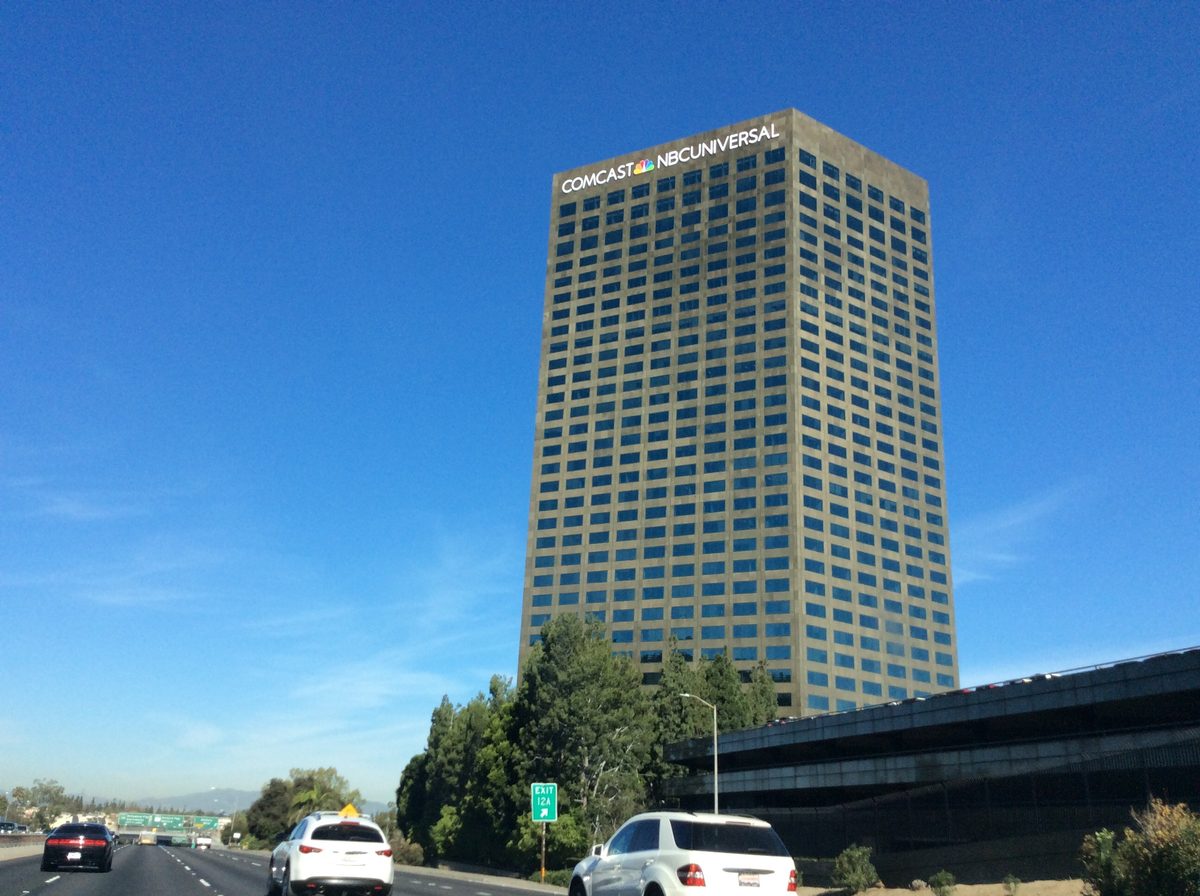
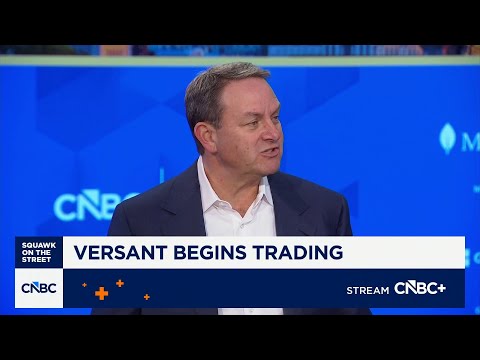
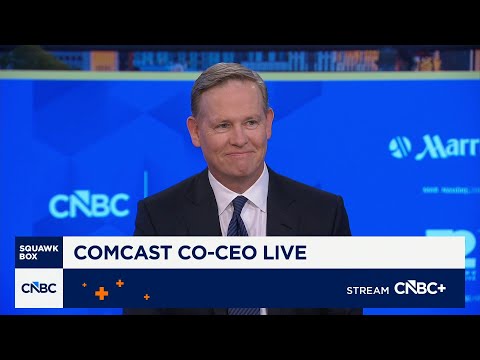
Comcast is cutting loose the part of its empire Wall Street has stopped romanticizing: legacy cable networks. On December 16, 2025, the spinoff hit its record date—meaning the shareholder list is now locked for who gets Versant stock.
The stakes are simple: Comcast wants its faster-growing businesses valued without cable’s drag, while Versant must prove it’s more than a slow-motion runoff. In a market that calls cable a “melting ice cube,” the new company’s first months will set the tone for dividends, dealmaking, and whether this becomes a consolidation target.
Key Indicators
People Involved
Organizations Involved
Comcast is spinning off a large slice of NBCUniversal’s cable networks to sharpen its growth narrative.
Versant is the standalone “cable bundle” Comcast is pushing into the public markets.
NBCUniversal stays with Comcast, while most cable networks move to Versant.
The SEC filings are where Versant’s real economics and governance details live.
Nasdaq is the venue where Versant’s price discovery starts before the shares are delivered.
Timeline
-
Versant Expected to Begin Regular-Way Trading
ExpectedVersant shares are expected to trade normally on Nasdaq under the new ticker.
-
Distribution Expected to Complete After Market Close
ExpectedComcast expects the pro rata distribution to be completed after trading ends.
-
Record Date Hits: The Shareholder List Is Locked
MilestoneOnly Comcast holders of record as of today are entitled to receive Versant shares.
-
When-Issued Trading Begins
MarketsA limited market starts pricing Versant before shares are fully distributed.
-
Versant Lines Up Its First Post-Spin Deal
M&AVersant agrees to acquire Free TV Networks to expand FAST and over-the-air reach.
-
Comcast Board Approves the Separation Mechanics
Money MovesComcast confirms the 1-for-25 distribution ratio and the early-January completion window.
-
Versant Updates Its SEC Registration
FilingAn amended Form 10 filing advances the regulatory setup for the spin.
-
Form 10 Disclosures Put Versant’s Financials and Structure on the Table
FilingSEC materials outline the separation, governance, and risk factors for the new company.
-
Versant Board Slate Revealed
GovernanceComcast names the initial board lineup for the future public company.
-
NBCU Agrees to Sell Ads for Versant (Temporarily)
CommercialA transition ad-sales deal keeps buyers in one system while Versant stands up.
-
Comcast Taps David Novak to Chair the Spinoff Board
PeopleComcast signals a shareholder-value play by naming Novak as chair-designate.
-
SpinCo Starts Hiring Its Own C-Suite
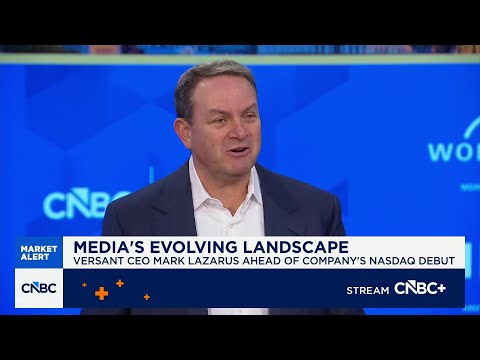
OrganizationMark Lazarus names key executives to build an independent operating model.
-
Comcast Announces the Cable Carveout
Money MovesComcast says it will spin off major NBCU cable networks into a new public company.
Scenarios
Versant Lists Cleanly, Turns Into a Dividend-and-Buyback Machine
Discussed by: Barron’s; investor commentary around free cash flow and cable valuations
The spin closes on schedule, when-issued pricing converges, and Versant leans into what cable still does well: predictable affiliate fees (even if shrinking) plus ad inventory that can be packaged smartly. If early quarters show disciplined cost control and stable cash generation, pressure builds for a clear capital-return policy—dividends and buybacks becoming the story instead of reinvention hype.
Versant Becomes the Roll-Up Platform for “Orphaned” Cable Networks
Discussed by: Reuters on industry deconglomeration; Barron’s on consolidation signals
Once independent, Versant uses its structure and relationships to do what a conglomerate couldn’t: buy unloved cable assets at cheap multiples and strip costs. The Free TV Networks deal becomes the template—add distribution and ad-supported scale—then look for more distressed cable/FAST assets as peers split themselves up. The trigger is simple: a stable stock price plus lenders willing to finance bolt-ons.
Cord-Cutting Accelerates, Versant Shrinks Fast: Layoffs, Asset Sales, and Brand Retreat
Discussed by: CNBC reporting on revenue declines in disclosed financials; broader analyst skepticism about linear networks
If affiliate fees fall faster than planned and ad markets soften, Versant’s first years look less like a standalone growth company and more like a liquidation-with-style. Management responds with deeper restructuring—more newsroom separation, fewer originals, potential network packaging changes, and selective asset sales (digital brands or smaller networks) to protect cash flow and credit metrics.
The Spinoff Slips: Tax, Market Shock, or Board Pullback Delays the Distribution
Discussed by: Comcast’s stated “customary conditions” language in filings and press release
A sudden market dislocation, a tax opinion snag, or an internal judgment call triggers a delay—especially because Comcast’s board explicitly reserves discretion if conditions make it “inadvisable” to proceed. This doesn’t kill the plan, but it changes sentiment: investors start modeling a longer transition period, higher costs, and more uncertainty around trading mechanics.
Historical Context
Time Warner Spins Off Time Warner Cable
2008–2009What Happened
Time Warner separated its cable distribution business from its media/content operations, arguing the pieces had different growth and capital needs. The split created a cleaner story for investors, but it also pushed the cable unit into a harsher market reality as video economics shifted.
Outcome
Short term: Two focused public companies emerged with distinct investor bases and strategies.
Long term: Time Warner Cable later became a consolidation target and was acquired by Charter.
Why It's Relevant
It shows how “focus” spinoffs often lead to the next chapter: consolidation.
News Corp Splits Into News Corp and 21st Century Fox
2013What Happened
Rupert Murdoch’s empire split publishing from entertainment, aiming to let markets value each business without cross-contamination. Investors could finally price slow-growth legacy assets separately from higher-growth media properties.
Outcome
Short term: The market assigned different multiples, changing capital-allocation incentives.
Long term: Both sides pursued deals and restructuring with fewer internal conflicts.
Why It's Relevant
Versant is built on the same bet: separate the multiple, then manage the narrative.
AT&T Spins WarnerMedia Into a New Company With Discovery
2021–2022What Happened
AT&T reversed course on vertical integration, shedding WarnerMedia and combining it with Discovery to form Warner Bros. Discovery. The move was framed as letting telecom focus while media merged to chase scale.
Outcome
Short term: A large media pure-play was created, but inherited leverage and integration costs.
Long term: The combined company faced ongoing pressure as linear TV declined and streaming competition intensified.
Why It's Relevant
It’s a cautionary parallel: separation is not a strategy by itself—execution is.
