




Pull to refresh
Logo
Landmark trial shows continuous glucose monitors cut A1c in type 2 diabetes patients not on insulin

Landmark trial shows continuous glucose monitors cut A1c in type 2 diabetes patients not on insulin

New Capabilities

New England Journal of Medicine study: CGM users spent five more hours a day in healthy blood sugar range

Yesterday: CONNECT study published in New England Journal of Medicine

Overview

Updated 1 hour ago

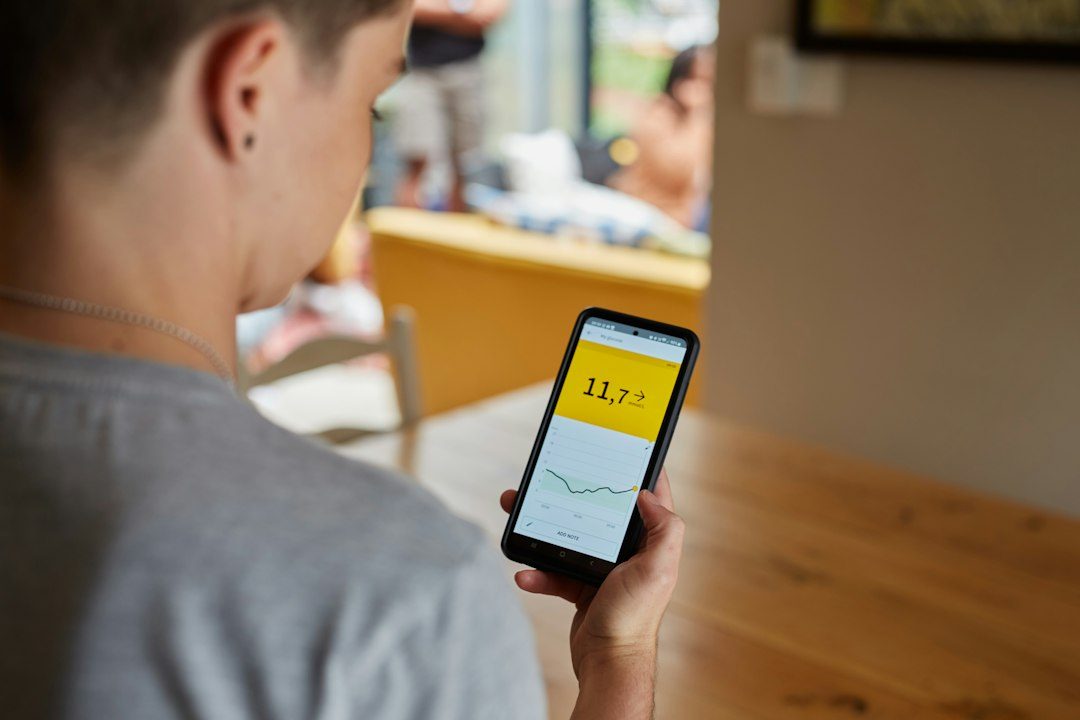
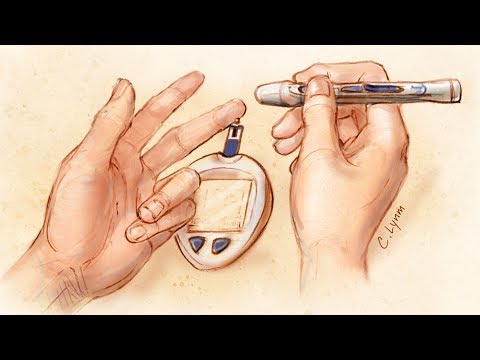
For millions of Americans with type 2 diabetes who don't take insulin, checking blood sugar has meant fingerstick tests a few times a day. A 26-week trial published in the New England Journal of Medicine shows that continuous glucose monitors (CGMs) — small sensors worn on the arm that stream glucose readings — kept patients in a healthy blood sugar range for about five extra hours each day.

CGM users cut their A1c (average blood sugar over three months) by an average of 1.6 percentage points from a baseline of 8.8%, a 0.9-point improvement over routine care — roughly double the threshold doctors consider clinically meaningful. If guidelines and insurers respond, the technology could become standard treatment for the roughly 30 million Americans with type 2 diabetes who don't take insulin, a group most insurers currently won't cover for CGMs.

Why it matters

If insurers expand coverage, millions of type 2 diabetes patients who don't take insulin could get daily glucose tracking that cuts A1c by a full percentage point.

Questions about this story

Free account needed to ask — your question is kept and asked for you right after sign-up. Answers are public.

No questions yet — be the first to ask.

Key Indicators

5 hours
Extra time per day in target glucose range
CGM users spent ~5 more hours daily in the 70–180 mg/dL range vs routine care.
0.9 percentage points
Greater A1c reduction vs routine care
Exceeds the 0.5-point threshold generally considered clinically meaningful.
1.6%
Average A1c reduction from baseline 8.8%
Dexcom G7 users achieved this reduction over 26 weeks.
46%
CGM users achieving A1c below 7.0%
Nearly twice the rate of the routine care group, a common treatment goal.
283
Adults enrolled in the CONNECT trial
Across 22 U.S. primary care practices; 440 were screened.
97%
Participants still using CGM at 26 weeks
Most wore the sensor daily, showing high adherence.

Voices

Curated perspectives — historical figures and your fellow readers.

Ever wondered what historical figures would say about today's headlines?

Sign up to generate historical perspectives on this story.

People Involved

Organizations Involved

Timeline

2026 October 2026

3 events Latest: Yesterday
  1. CONNECT study published in New England Journal of Medicine

    Latest Publication

    The 26-week randomized controlled trial of 283 adults across 22 U.S. primary care sites showed CGM users spent ~5 more hours daily in target range and cut A1c by 0.9 points more than routine care.

  2. CONNECT trial findings presented at ADA Scientific Sessions

    Conference presentation

    Researchers first presented the trial results at the American Diabetes Association's 2026 Scientific Sessions, where they generated attention from diabetes clinicians.

  3. Kaiser Permanente study links CGM use to kidney benefits

    Research

    Patients with poorly controlled type 2 diabetes who used CGMs had sustained A1c reductions over 3 years and less protein in urine, an early sign of kidney health.

Scenarios

1

ADA upgrades CGM recommendation to Level A for non-insulin type 2 diabetes

Likely Resolves by Jan 31, 2027

Discussed by: Diabetes researchers, primary care physicians, and the American Diabetes Association

The American Diabetes Association's Standards of Care are updated annually, typically in January. The CONNECT trial's publication in the NEJM provides the rigorous multicenter evidence the ADA previously lacked for non-insulin patients. An upgrade to Level A evidence would signal that CGMs are now a standard treatment option for this group, encouraging more primary care doctors to prescribe them.

2

CMS and private insurers expand CGM coverage to all type 2 diabetes patients

Possible Resolves by Q2 2027

Discussed by: Centers for Medicare & Medicaid Services, private insurers, DexCom investor communications

The Centers for Medicare & Medicaid Services (CMS) currently covers CGMs primarily for insulin-treated patients. The CONNECT results add to a growing evidence base that could prompt CMS to expand coverage to non-insulin type 2 diabetes patients, a change private insurers often follow. DexCom's investor materials and the prevalence of type 2 diabetes make this a high-stakes coverage decision.

3

Adoption stays limited; guideline changes lag behind evidence

Possible Resolves by Q2 2027

Discussed by: ACP reviewers who published a meta-analysis showing modest benefit

A 2026 American College of Physicians review of randomized trials found CGM use was linked to only about a 0.3% HbA1c reduction on average and limited evidence for patients not on glucose-lowering therapy. If this more cautious interpretation prevails, insurers and guideline bodies may hold off on broad coverage expansion, keeping CGMs a niche tool despite the CONNECT results.

Historical Context

2 moments from history that rhyme with this story — and how they unfolded.

1983-1993

Diabetes Control and Complications Trial (1993)

The NIH-sponsored DCCT followed 1,441 people with type 1 diabetes for up to a decade, proving that intensive glucose control dramatically reduced eye, kidney, and nerve complications. It transformed type 1 diabetes care from a 'just survive' approach to aggressive monitoring and insulin adjustment.

Then

Intensive insulin therapy and frequent blood sugar monitoring became the standard of care for type 1 diabetes.

Now

Established A1c as the gold-standard measure of diabetes control and justified the cost of monitoring technology.

Why this matters now

Like DCCT, the CONNECT trial uses rigorous randomized evidence to shift monitoring technology from optional to standard — this time for the far larger type 2 population.

1980s

Home blood glucose meters (1980s)

Portable fingerstick glucose meters became available and affordable in the 1980s, letting patients check blood sugar at home instead of relying on urine tests or clinic visits. Adoption was slow initially due to cost and questions about whether the data changed outcomes.

Then

Self-monitoring of blood glucose became routine for insulin users and eventually for many type 2 patients.

Now

Insurance coverage expanded over decades; meters became a standard diabetes tool rather than a luxury.

Why this matters now

CGMs are the next generation of this story: the technology exists and works, but coverage and prescribing practices lag behind the evidence.

Sources

(9)