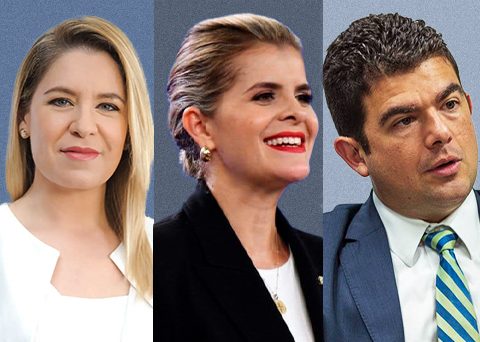
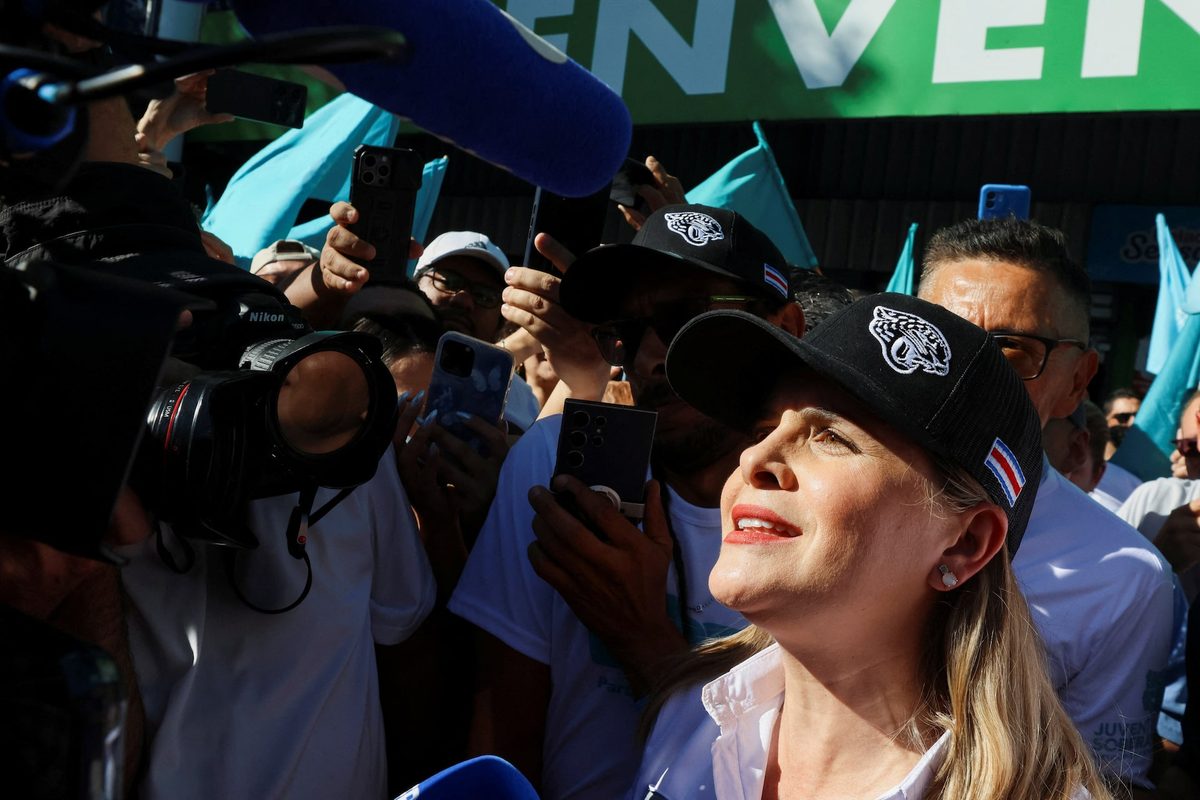
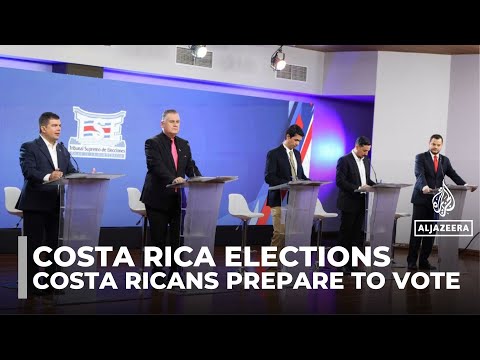
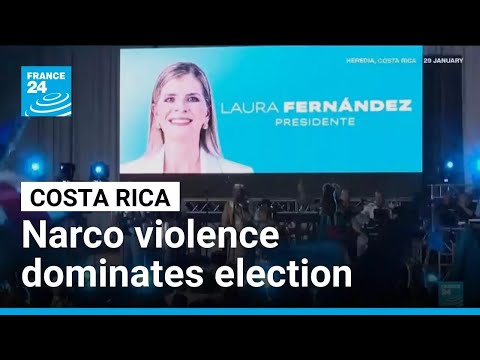
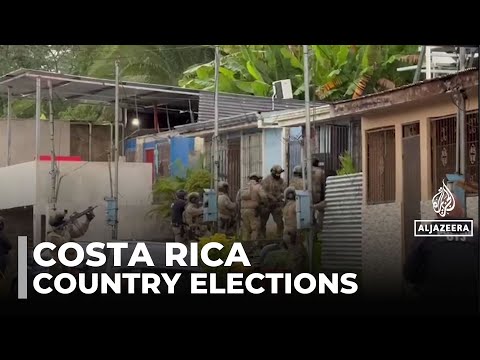
Costa Rica abolished its army in 1949 and built Latin America's most stable democracy on neutrality and social investment. On February 1, 2026, voters elected Laura Fernández Delgado of the Pueblo Soberano Party (PPSO) as president with 48.3%, exceeding the 40% threshold to win outright. Her party won 31 of 57 legislative seats, enough for simple-majority reforms amid drug cartel violence that has tripled homicides since 2019[1][2][3].
Fernández, outgoing President Rodrigo Chaves's former chief of staff, campaigned on a Bukele-style security crackdown including a mega-prison and state of emergency in gang areas. Chaves's 58% approval and fragmented opposition (Álvaro Ramos at 33.4%) ensured continuity despite concerns about institutional erosion. With 69-70% turnout, her victory signals a rightward realignment, though constitutional changes require opposition deals[1][3][4].