

Pull to refresh
Logo
Dallas stops payments to Thanks-Giving Square and the foundation sues

Dallas stops payments to Thanks-Giving Square and the foundation sues

Money Moves Dallas, TX local

The city ended a half-century of $500,000 annual lease payments in April; the nonprofit took it to court in October.

Overview

Updated 1 hour ago

In April, Dallas stopped paying the Thanks-Giving Foundation $500,000 a year for the pedestrian tunnels under Thanks-Giving Square. The foundation sued in October, arguing a 75-year lease signed in 1973 still obligates the city. Dallas says the payments deliver too little public benefit for a city cutting its own budget.

The case asks what a long-term city contract is worth when city finances tighten. Dallas closed a $51 million budget gap this year by downgrading employee healthcare, laying off workers and reducing park maintenance. Other nonprofits that hold city partnerships are watching whether this lease holds.

Why it matters

If a city can cancel a 75-year lease to save $500,000 a year, every nonprofit holding a long-term city contract is exposed.

Last Monday's email for Dallas, TX

Sent Nov 23. It carried:

Get next Monday's: one short email a week. Free. Unsubscribe in one click.

Questions about this story

Free account needed to ask — your question is kept and asked for you right after sign-up. Answers are public.

No questions yet — be the first to ask.

Key Indicators

$500,000
Annual payment the city stopped making
Rent under the 1973 lease, about $65,000 when signed and now tracking inflation.
$50,000
Annual tunnel revenue the city collects
What Dallas earns from tenants using the tunnels it leases, a tenth of what it paid.
$51M
Budget gap Dallas closed this year
It followed a roughly $30 million shortfall the previous year.
75 years
Length of the 1973 lease
Signed in 1973; the foundation says it remains in force.
50 years
Years since the chapel was dedicated
Dedicated on Thanksgiving Day 1976.

Voices

Curated perspectives — historical figures and your fellow readers.

Sign up to generate historical perspectives on this story.

People Involved

Organizations Involved

Timeline

1973 November 2026

7 events Latest: Yesterday
Tap a bar to jump to that date
  1. Foundation marks 50 years and makes its case publicly

    Latest Statement

    Ogden tells the Dallas Observer he is grateful despite the lawsuit, calling the dispute a disagreement about what is right. The foundation plans its first newspaper ads of a Thanksgiving prayer.

  2. City ends the payments immediately

    Decision

    City Manager Kimberly Bizor Tolbert writes that the $500,000 annual payments stop, citing a lack of public benefit and the city's finances. She offers renegotiation, termination or court.

  3. Dallas closes a $51 million budget gap

    Budget

    The council downgrades employee healthcare, lays off workers and reduces parks maintenance. Proposed cuts also hit stipends for partner groups such as the Dallas Zoo and Dallas Arboretum.

  4. City questions what the payments buy

    Budget

    Officials tell council members Dallas pays about $500,000 a year for tunnel access while collecting roughly $50,000 from tenants who use them.

  5. Chapel dedicated on Thanksgiving Day

    Opening

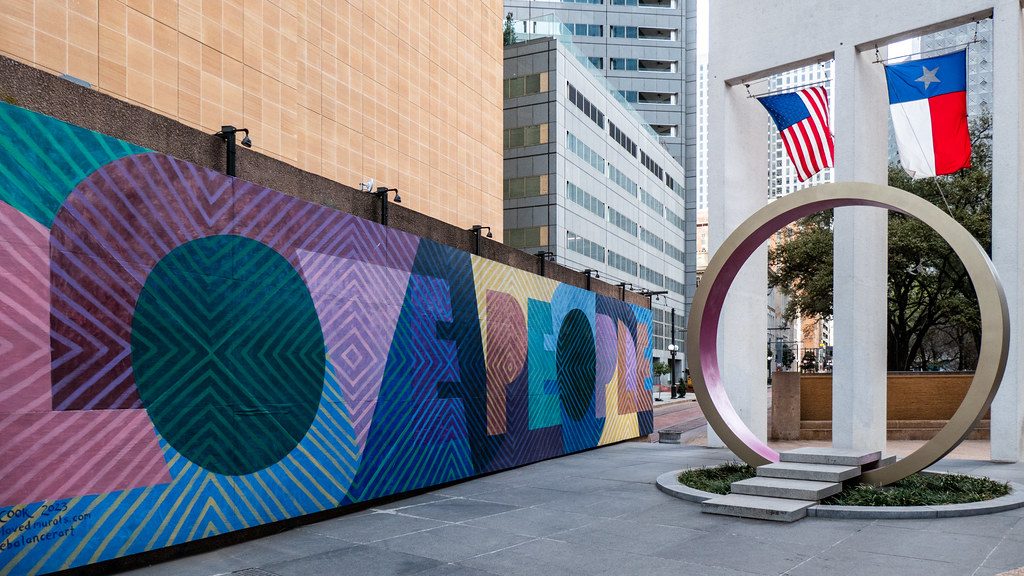
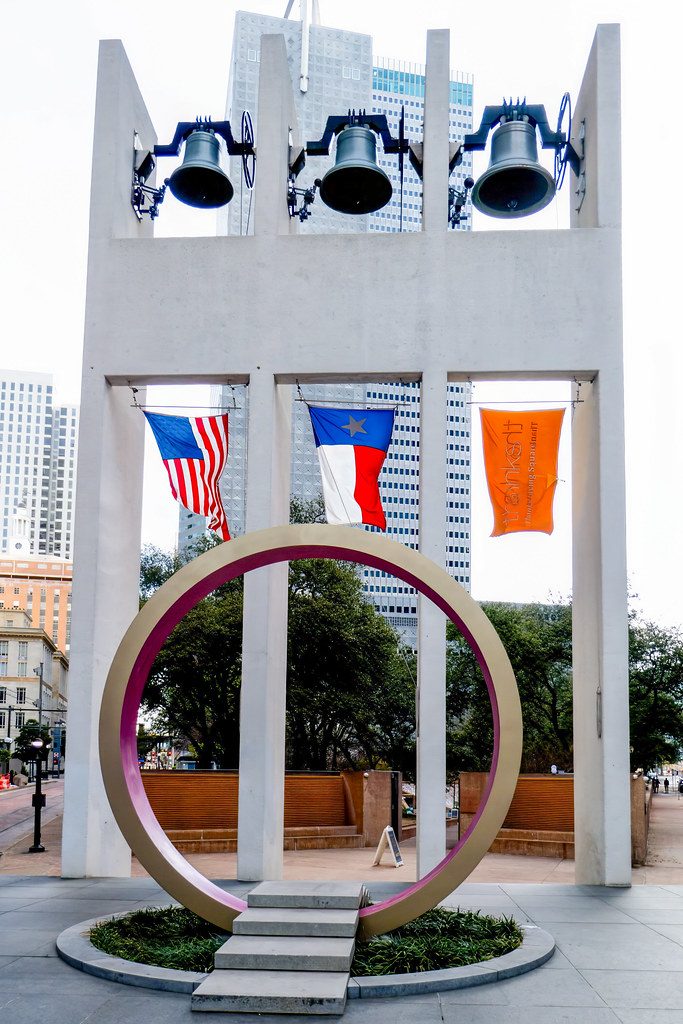
    Thanks-Giving Square opens as a gift from civic and business leaders, with an interfaith chapel under a spiraling stained-glass window.

  6. Dallas signs a 75-year tunnel lease

    Contract

    The city agrees to pay about $65,000 a year for pedestrian tunnels beneath what becomes Thanks-Giving Square. The deal follows a parks department finding that it could not maintain the complex.

Scenarios

1

Dallas settles and restores a smaller payment

Possible Resolves by Q2 2027

Discussed by: Both sides have left the door open: Tolbert's letter listed reworking the agreement as an option, and Ogden has said the foundation remains hopeful of resolving the matter.

The lawsuit creates pressure to negotiate rather than litigate. A settlement would likely mean a reduced annual figure, a defined term and a public-benefit justification the council can defend, paid out of a budget still under strain. That lets both sides claim the lease was honored.

2

Court orders Dallas to keep paying under the lease

Uncertain Resolves by Q2 2028

Discussed by: The foundation's filing rests on the argument that the 1973 lease is a binding contract the city cannot exit for budget reasons.

A judge would decide whether the lease is enforceable as written. A ruling for the foundation would force Dallas to resume payments or negotiate from a weaker position, and it would set a precedent for other long-term city agreements. A ruling for the city would effectively void the arrangement.

3

Lease terminated and the city money is gone for good

Possible Resolves by End of 2027

Discussed by: Tolbert's letter named termination as one of the city's options, and the council's budget votes show appetite for cutting partner funding.

The council could vote to terminate the lease outright, absorb whatever legal cost follows, and leave the foundation to fund the park and chapel from private donations. That outcome would push the square toward the fundraising model other Dallas cultural institutions already use.

Historical Context

2 moments from history that rhyme with this story — and how they unfolded.

2008

Chicago's 75-year parking meter lease (2008)

Facing a budget shortfall, Chicago leased its parking meters to a private consortium for 75 years in exchange for a large upfront payment. The deal locked later councils into terms they could not renegotiate.

Then

Meter rates rose quickly, and the city later paid compensation over repairs and free-parking obligations.

Now

The lease became the standard example of a long municipal deal a city cannot unwind when circumstances change.

Why this matters now

Dallas's tunnel lease raises the same question from the other direction: whether a city can walk away from a deal an earlier council signed.

2013

Detroit's bankruptcy and the Detroit Institute of Arts (2013)

Detroit entered the largest municipal bankruptcy in U.S. history, and creditors looked at the city-owned art museum's collection as an asset. Private foundations, the state and the museum raised money to shield the art while pensions and debt were restructured.

Then

The collection stayed in Detroit, and the city cut retiree benefits and restructured its debt.

Now

It showed that a civic institution can survive a city's insolvency, but usually only if someone other than the city pays for it.

Why this matters now

Dallas is not insolvent, but its budget cuts have put a civic institution's funding on the table. Detroit shows who tends to cover the gap.

Sources

(4)