So, are all these cancellations going to impact the capex that the big hyperscalers have said they're going to spend?
Not in the near term: hyperscaler capex guidance is still climbing and most 2027 capacity is already under construction, but the backlash is likely to shift where—and how much—gets built from 2028 onward.
If post-2028 projects stall, the $1 trillion AI investment cycle could concentrate in friendly states or move abroad, raising power and permitting costs for everyone.
4 details6 sources2 disagreements
- BofA Global Research sees hyperscaler capex growing more than 90% in 2026 and still up 35% in 2027 — guidance has not been cut.
- Nomura says capacity due online in 2027 is already under construction, limiting near-term impact; 2028 projects face the permitting and regulatory risk.
- Neuberger Berman expects capex estimates to keep rising: big cloud providers and model developers are locking in land, power and buildings now, and deciding on chips later.
- J.P. Morgan notes under-construction capacity grew nearly 50% in H1 2026, while Wood Mackenzie finds only 59% of 430 GW of proposed capacity is under active development — many cancellations are plans, not shovels.
Room for disagreement
- Optimists at J.P. Morgan, BofA and Baird's Justin Hauke say economic incentives keep states accommodating development, most restrictions are temporary, and this is not a fundamental derailing of a generational investment cycle.
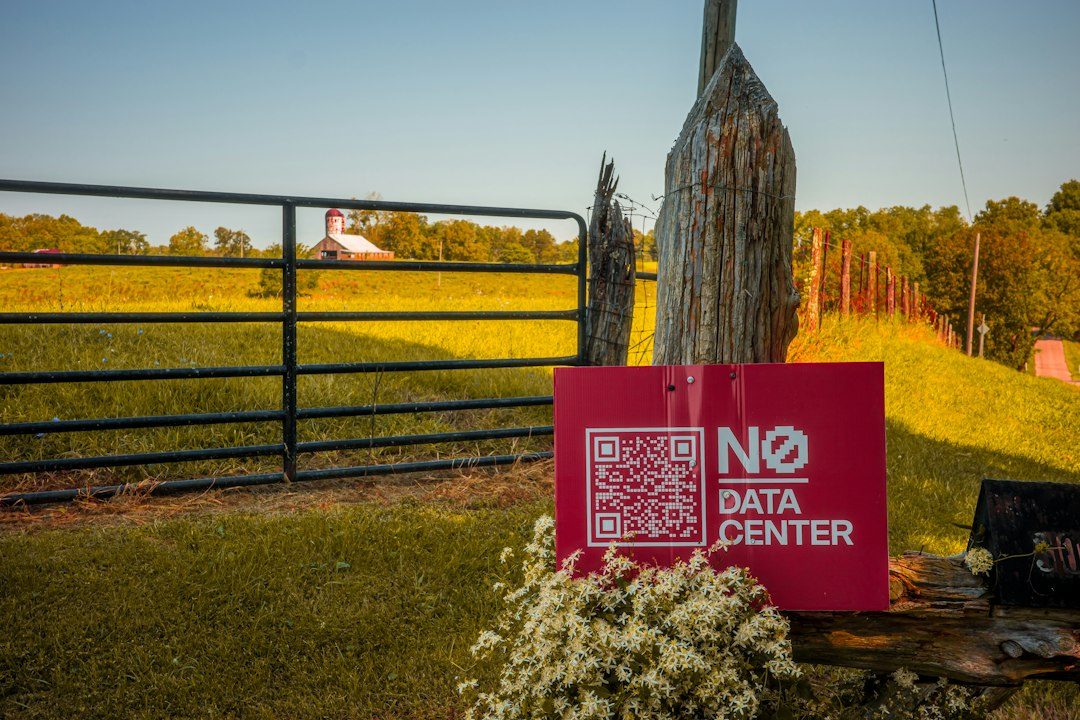
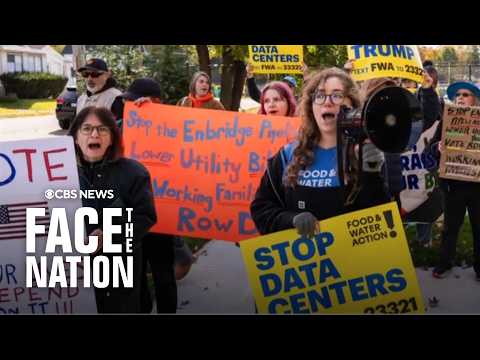
- Pessimists point to more than $260 billion in cancelled projects this year, S&P data tying 77% of delayed projects to local opposition, and newly elected governors in Texas, Ohio and Georgia who campaigned on restrictions — a real supply-side hit starting 2028.
0
AI answers with web search. May be wrong.